
How Light Signals Followed Me Home From Work
What I realized was that my body stayed in work mode long after the day ended.

For a long time, I thought leaving work meant leaving work behind.
I would shut down my computer, walk out of the building, and head home expecting my body to follow. Mentally, I was done. Physically, I was tired. Yet something lingered.
Evenings felt oddly tense. My mind stayed alert. Sleep took longer to arrive. Rest felt delayed, as if my body had missed a memo that the day was over.
At first, I blamed stress. Then habits. Then screens.
What I did not consider was the possibility that light had followed me home.
The Body Does Not Reset at the Door
The human body does not operate on schedules or calendars. It operates on signals.
Light is the strongest of those signals.
Throughout the workday, light tells the body when to stay alert, when to focus, and when to remain active. The problem arises when that message never changes.
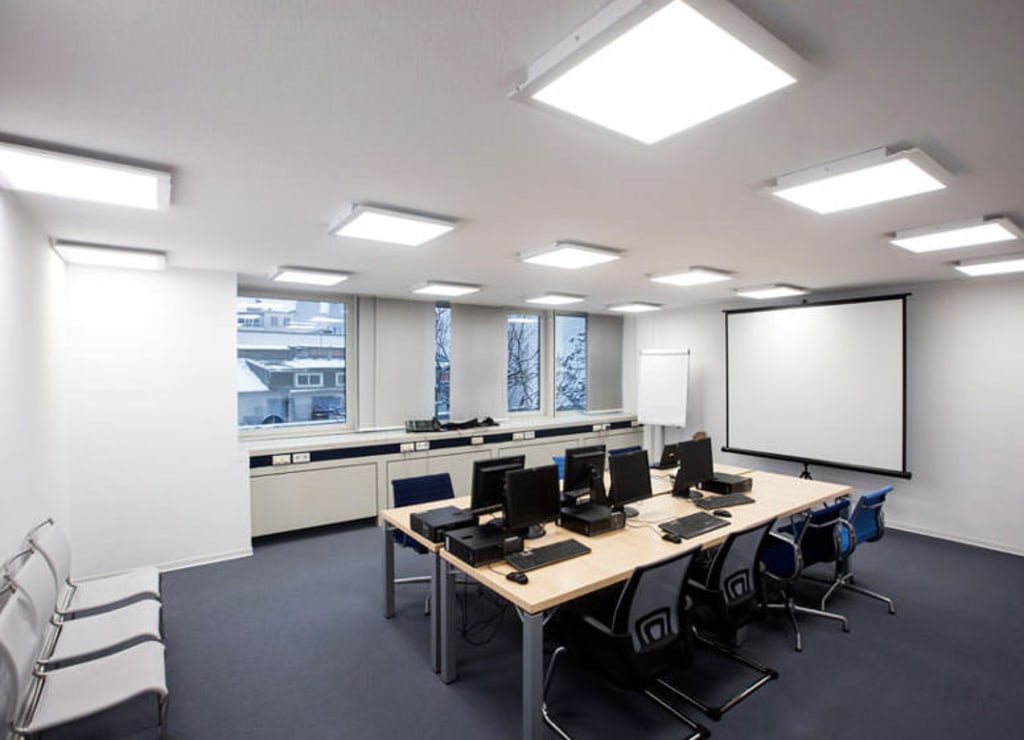
In many workplaces, lighting remains static and bright from morning through late afternoon. The spectrum often contains strong blue weighted energy designed to maintain visibility and alertness.
Biologically, that signal means daytime.
When exposure continues for hours, the body adapts. The nervous system stays engaged. Hormonal transitions are delayed.
And when the workday ends, the body does not immediately let go.
Why Evenings Felt Wired but Tired
After work, I felt exhausted but restless.
My body wanted rest, but my nervous system stayed alert. Thoughts moved quickly. Small tasks felt urgent. Relaxation required effort.
This state is often described as tired but wired.
What I eventually understood was that my body was still responding to the light it had been living under all day. The alert signal had not softened gradually. It had simply stopped.
The transition was too abrupt.
Light Carries Momentum
Light does not stop affecting the body the moment exposure ends.
The circadian system relies on patterns and progression. Morning light ramps up alertness. Midday light sustains it. Evening light signals the nervous system to slow down.
When light remains intense and blue weighted all day, the system loses its sense of timing.
The body carries that momentum forward.
By the time evening arrives, the internal clock is confused. The body feels tired, but the system responsible for rest has not been activated properly.
Why Home Lighting Could Not Fix It Alone
I tried adjusting my home lighting. Warmer bulbs. Dimmer rooms. Calmer spaces.
These changes helped, but they did not fully resolve the problem.
The reason was simple.
Eight hours of incorrect signaling cannot be undone in one.
The body needed a gradual shift earlier in the day. It needed light that changed with time, not light that stayed fixed until it disappeared.
The Day the Signals Changed
When the lighting environment during my workday became more biologically aligned, the change was subtle.
The workday felt steady rather than intense. Focus lasted without pressure. My eyes felt calmer.
But the real difference showed up later.
Evenings felt softer. My body slowed down naturally. Sleep arrived without negotiation. Mornings felt clearer.
The light had stopped following me home.
What This Taught Me About Modern Fatigue
Many people believe evening restlessness is caused by stress or poor discipline.
In reality, it is often caused by environments that never signal the end of effort.
When lighting respects human rhythm, the body knows when to transition.
Work ends. Rest begins.
No force required.
Conclusion
Light signals followed me home from work because my environment never told my body when the day was ending.
Once those signals changed, so did everything else.
Energy stabilized. Evenings softened. Rest returned.
Sometimes the key to better nights is not what we do at home.
It is what our bodies experience long before we leave work.
About the Creator
illumipure
Sharing insights on indoor air quality, sustainable lighting, and healthier built environments. Here to help people understand the science behind cleaner indoor spaces.
Keep reading
More stories from illumipure and writers in Longevity and other communities.
Why Fighting Fatigue Is Often an Environmental Problem
For a long time, I treated fatigue as a personal failure. If I felt tired, I assumed I had not slept enough. If focus faded, I blamed motivation. When energy dipped in the afternoon, I reached for coffee and pushed through. This cycle felt normal. Everyone around me was doing the same thing.
By illumipure2 months ago in Longevity
The Best Time To Eat Breakfast for Blood Sugar and Energy
Eating breakfast within 1–2 hours of waking up can help support blood sugar and provide energy and nutrients to start your day. Eating breakfast at a consistent time is important. Changing meal times can disrupt the body’s internal clock, which helps regulate blood sugar. A balanced breakfast with complex carbs, protein, and healthy fats helps support blood sugar.
By Good health to everyoneabout 23 hours ago in Longevity
A More Human Vocal
When we launched Vocal nearly a decade ago, the world was a very different place. LLMs did not exist, and stories were created one at a time by people sitting down to write, revise, and share something personal. Many of our assumptions about publishing, trust, and participation were built for a world where effort and output were inseparable.
By Justin @ Vocal5 days ago in Resources



Comments
There are no comments for this story
Be the first to respond and start the conversation.