
Ancient India ~ how advanced in medical?
Medical science

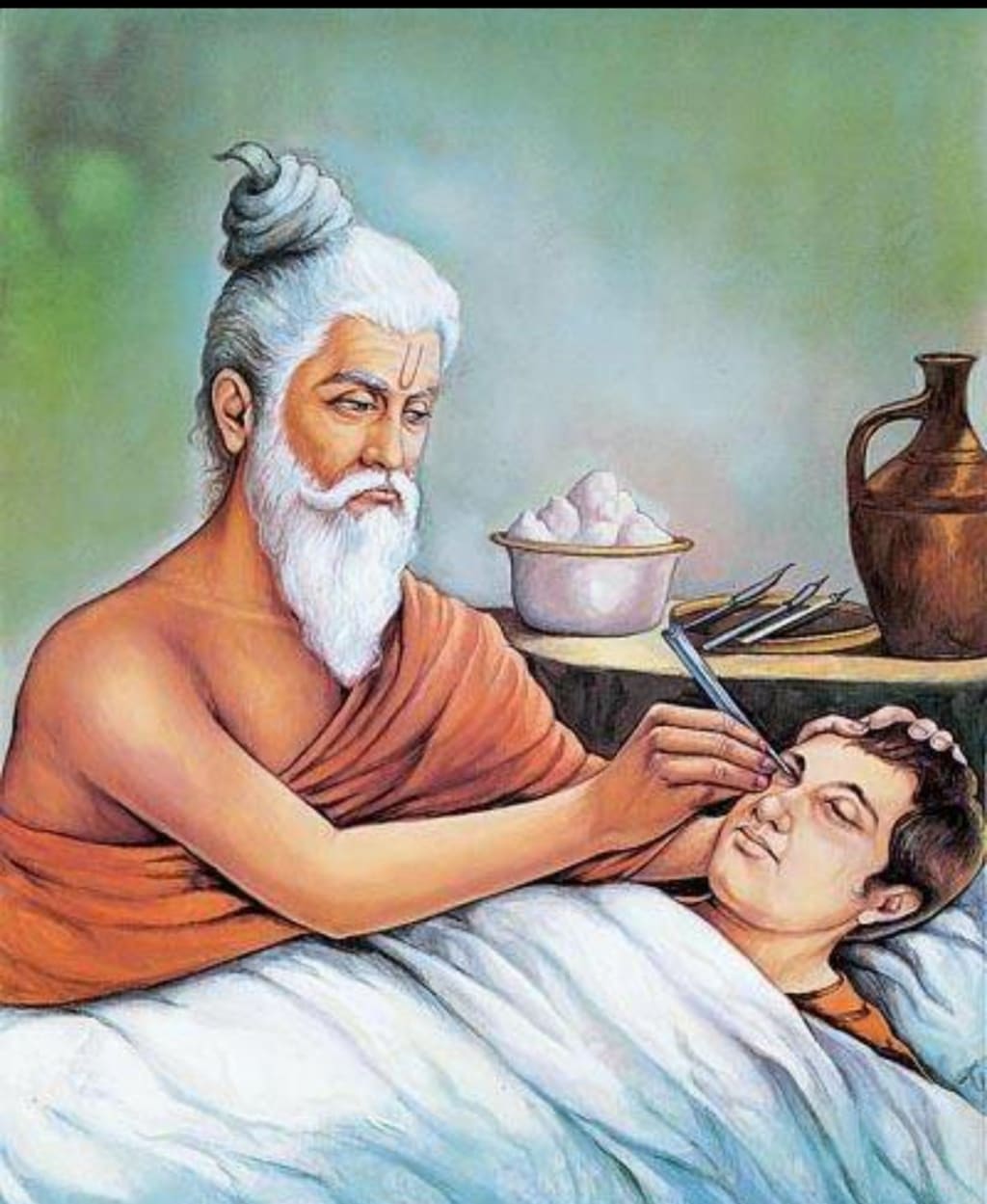
Ancient India was a hub of culture, knowledge, and innovation. Its contributions to medicine and healthcare are significant and continue to influence modern medical practices. The ancient Indian civilization, with its emphasis on holistic health and well-being, developed a sophisticated system of medicine that is still relevant today. In this blog, we will explore the advancements in medicine in ancient India and their impact on modern healthcare.
Ayurveda - The Science of Life

Ayurveda, meaning "science of life," is a holistic approach to medicine that originated in ancient India. It is based on the belief that the human body is made up of five elements - earth, water, fire, air, and ether - and that these elements need to be in balance for optimal health. Ayurveda also emphasizes the connection between the mind, body, and spirit and focuses on prevention rather than just treating illness.
One of the most significant contributions of Ayurveda is the concept of diagnosis. Ayurvedic physicians would use a variety of methods, including observation, pulse diagnosis, and questioning, to determine the root cause of the illness. Treatment would then be tailored to the individual's unique needs and could include diet, lifestyle changes, herbs, and other natural remedies.
Ayurveda has made many advancements over the years, particularly in the areas of herbal medicine, yoga, and massage therapy. In terms of herbal medicine, Ayurvedic practitioners have developed a vast array of natural remedies for various ailments, ranging from common colds and coughs to more serious conditions like diabetes and cancer. These remedies are typically made from plant-based ingredients and are often customized to suit the unique needs of each patient.
Surgery
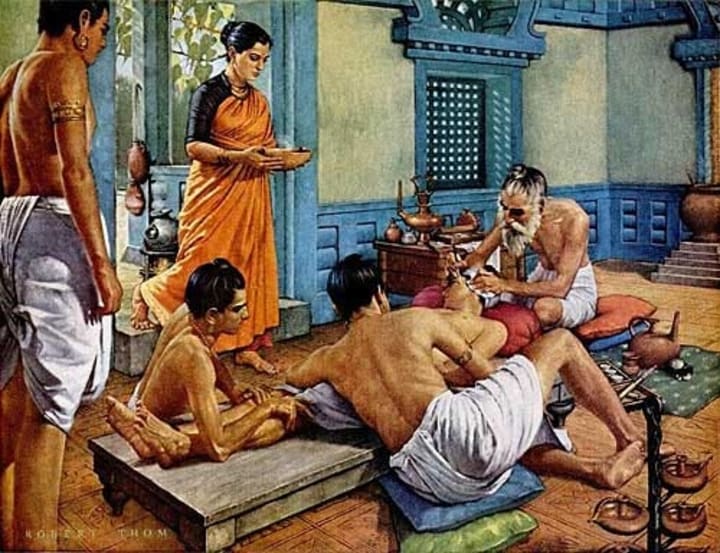
Ancient Indian physicians were also pioneers in the field of surgery. The Sushruta Samhita, a Sanskrit text dating back to the 6th century BCE, contains detailed descriptions of surgical procedures, including plastic surgery and cataract surgery. Sushruta, the author of the text, is considered the "father of surgery" and is credited with performing complex surgical procedures, such as amputations and organ transplants.
One of the most famous examples of ancient Indian surgical expertise is the practice of rhinoplasty, or nose reconstruction. This technique, which involved using skin from the forehead to reconstruct the nose, was first described in the Sushruta Samhita, an ancient Indian medical text believed to date back to around 600 BCE.
Other surgical techniques described in the Sushruta Samhita include cataract surgery, lithotomy (the surgical removal of bladder stones), and the use of leeches for bloodletting. The text also describes several types of surgical instruments, including scalpels, forceps, and probes.
In addition to these surgical techniques and instruments, ancient Indian surgeons were also adept at using anesthesia to alleviate pain during surgery. One popular anesthesia technique involved using a mixture of herbal and mineral ingredients, which was inhaled to induce a state of unconsciousness.
Herbal Medicine

Herbal medicine is another area where ancient India made significant contributions. The Charaka Samhita and the Sushruta Samhita contain detailed descriptions of medicinal plants and their uses. Ayurvedic practitioners would use a combination of herbs to treat a variety of ailments, such as digestive disorders, respiratory issues, and skin conditions.
Some of the most commonly used herbs in Ayurvedic medicine include:
Turmeric - a powerful anti-inflammatory herb that is used to treat a variety of conditions, including arthritis, digestive problems, and skin disorders.
Ginger - a warming herb that is commonly used to treat nausea, digestive problems, and respiratory infections.
Ashwagandha - an adaptogenic herb that is used to promote overall health and wellness, reduce stress, and improve cognitive function.
Holy Basil - an herb with powerful antioxidant and anti-inflammatory properties that is used to treat a variety of conditions, including respiratory infections, stress, and digestive problems.
Brahmi - an herb that is used to improve cognitive function, reduce stress and anxiety, and promote overall brain health.
Yoga and Meditation
Yoga and meditation, which are now widely practiced around the world, also originated in ancient India. The practice of yoga is believed to promote physical and mental health and has been shown to reduce stress, improve flexibility, and lower blood pressure. Meditation, which is often practiced in conjunction with yoga, has been shown to reduce anxiety and depression and improve overall well-being.
Conclusion
The advancements in medicine in ancient India have had a profound impact on modern healthcare. The holistic approach to health and well-being, as well as the emphasis on prevention, is now recognized as an important aspect of modern medicine. Ayurveda, the science of life, continues to be a popular form of alternative medicine, and many of its principles have been incorporated into modern medical practices. The contributions of ancient India to medicine are a testament to the culture's knowledge, innovation, and commitment to improving human health and well-being.
About the Creator
Raj’s Vocal
Welcome to my channel :)
Keep reading
More stories from Raj’s Vocal and writers in Longevity and other communities.
Power of Inner mind
"Your mind is a powerful thing. When you fill it with positive thoughts, your life will start to change." Human mind is an incredibly powerful tool that shapes our perceptions, beliefs, and actions. While our conscious mind is responsible for our day-to-day decision-making and reasoning, our subconscious mind, which operates below our awareness, has a profound influence on our thoughts and behavior. The magic of the inner mind lies in its ability to shape our reality, unlock our potential, and facilitate personal growth.
By Raj’s Vocal3 years ago in Longevity
Early March 2026: 4 Goals Accomplished
It's early March and I've now accomplished my 4th writing goal for the year of 2026. Before diving into the behind-the-scenes of it... why not tell you up front what that accomplishment was? I was published in a 2nd publication for this year. Published in Helix Literary Magazine out of Central Connecticut State University. You can read it for free right now!
By Stephen Kramer Avitabile6 days ago in Writers



Comments