
All about Pilates
Learn the all you need to know about Pilates
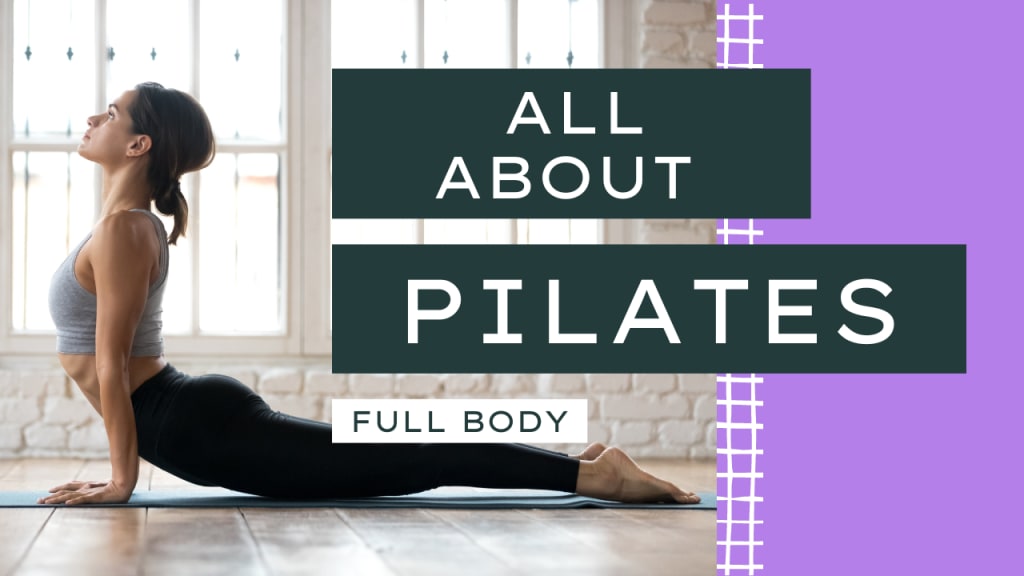
Pilates is a form of exercise that focuses on strengthening the body through controlled movements and breathing techniques. Developed by Joseph Pilates in the early 20th century, it has become increasingly popular in recent years due to its numerous health benefits. In this comprehensive review, we will explore the history of Pilates, its principles, benefits, and how it is practiced today.
History of Pilates
Joseph Pilates was born in Germany in 1883 and was a sickly child, suffering from asthma, rickets, and rheumatic fever. Determined to overcome his ailments, he began studying various forms of physical fitness, including yoga, gymnastics, and martial arts. In 1912, he moved to England, where he began working as a self-defense instructor for detectives at Scotland Yard. During World War I, he was interned in a British prison camp, where he developed a series of exercises to help fellow inmates maintain their physical and mental health.
After the war, Pilates emigrated to the United States and opened a studio in New York City. He called his system "Contrology" and developed a loyal following among dancers and athletes who found his exercises helped them recover from injuries and improve their performance. Pilates continued to teach and refine his method until his death in 1967 at the age of 84.
Access the ultimate guide in learning pilates
Principles of Pilates
Pilates is based on six core principles: concentration, control, centering, flow, precision, and breathing. Each of these principles is essential to the practice and emphasizes the importance of mindfulness and awareness of the body.
Concentration: Pilates requires focus and concentration to perform the exercises correctly. By focusing on the movements and sensations of the body, the mind can quiet, and the body can move with greater precision and control.
Control: Pilates exercises are performed with control and precision, emphasizing the quality of movement over the quantity. This helps prevent injury and ensures that the exercises are effective.
Centering: The core of the body, also known as the powerhouse, is the focus of Pilates. Strengthening the muscles of the core, including the abdominals, back, and hips, is essential to maintaining proper alignment and stability throughout the body.
Flow: Pilates exercises are performed in a continuous, flowing manner, emphasizing smooth transitions between movements. This helps build strength, flexibility, and endurance.
Precision: Each movement in Pilates is performed with precision and attention to detail, ensuring that the exercise is performed correctly and effectively.
Breathing: Proper breathing is a crucial aspect of Pilates. Deep, controlled breathing helps calm the mind, oxygenate the body, and facilitate proper movement.
Benefits of Pilates
Pilates offers numerous health benefits, both physical and mental. Here are some of the most notable benefits of this exercise method:
Improved core strength and stability: Pilates focuses on strengthening the muscles of the core, which helps improve posture, balance, and stability.
Increased flexibility: The controlled movements and stretches of Pilates help increase flexibility and range of motion in the joints.
Reduced stress and anxiety: The mindful, controlled movements of Pilates can help calm the mind and reduce stress and anxiety.
Improved balance and coordination: Pilates exercises require coordination and balance, which helps improve these skills.
Reduced risk of injury: By emphasizing control, precision, and proper alignment, Pilates can help reduce the risk of injury during exercise and daily activities.
Improved athletic performance: Many athletes use Pilates to improve their performance and prevent injuries.
How Pilates is Practiced Today
Today, Pilates is practiced in various settings, from gyms and fitness studios to physical therapy clinics and hospitals. There are two main types of Pilates: mat-based and equipment-based.
About the Creator
Keep reading
More stories from writers in Longevity and other communities.
Day 4 of Quitting
If this is how sobriety feels, maybe it’s better to go through life a little buzzed… this, along with other hits like, I want to kill myself, I wish I was dead, and I’m going to throw myself off a bridge have been the only thoughts on rotation these past few days. I promise myself that if, in a month, I still feel like this (‘this’ meaning despondent, full of rage, and simultaneously numb) I can go back to smoking. Until mid-February though? Nicotine is off the table.
By sleepy drafts12 days ago in Longevity
The 20-Year Advantage: What Decades of Consistency Actually Look Like
You can spot them from across the gym floor. Not because they're lifting the heaviest weights or running the fastest. But because something about them doesn't add up. The numbers don't match the appearance. An 80-year-old woman with the posture and muscle definition of someone in their fifties. A 90-year-old man who moves with the ease of someone half his age.
By Destiny S. Harris6 days ago in Longevity


Comments (1)
Thanks for this wonderful article. I have been trying various workout types, and would surely love to include Pilates into my plan.