
Ageless Mind: Simple Daily Habits
Unlocking a Sharper Mind: Strategies to Keep Your Brain Youthful

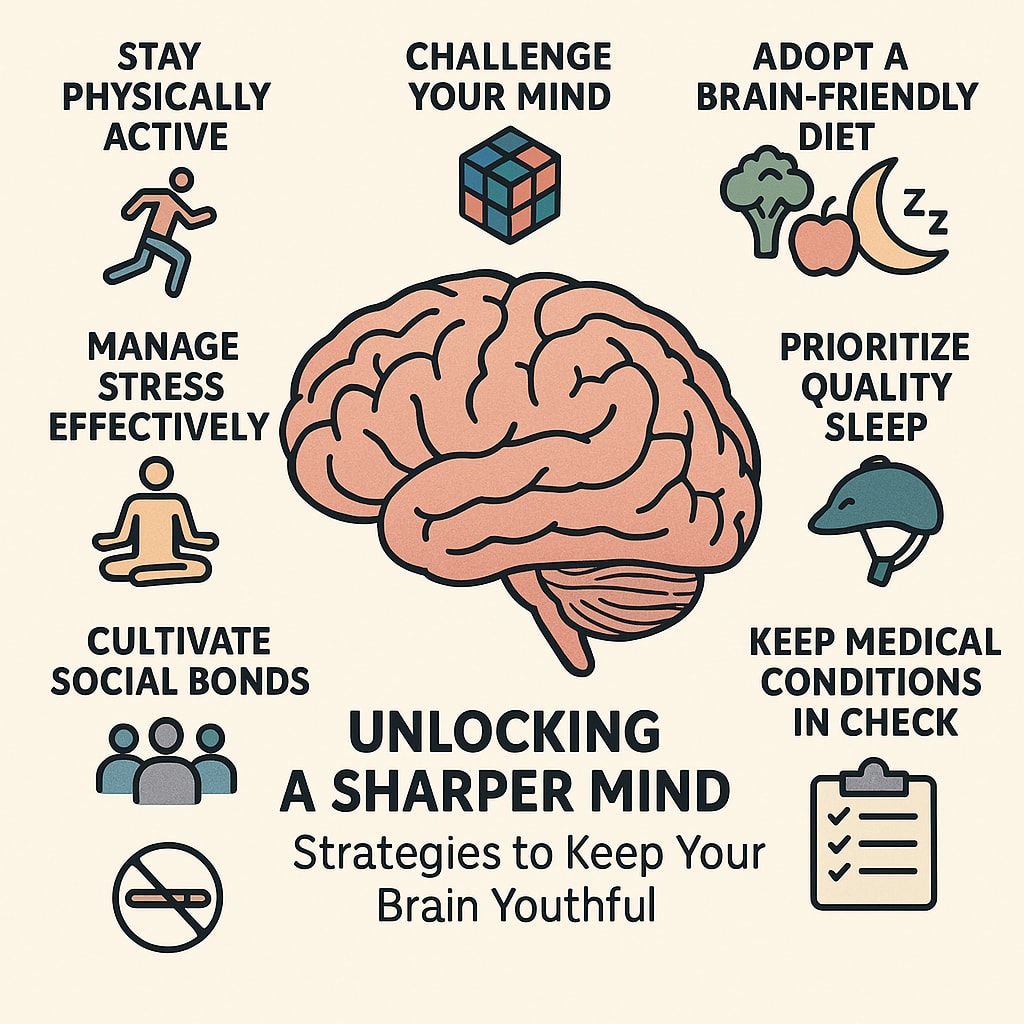
Aging is an inevitable part of life. Our hair grays, our skin wrinkles, and our joints may ache a little more with each passing year. But while we accept these physical signs of aging, the thought of cognitive decline—forgetting names, misplacing keys, or struggling with simple tasks—can be far more concerning. Fortunately, just as we can maintain our physical health through exercise and diet, science shows we can also nurture our brains and slow cognitive aging.
This article explores practical, research-backed strategies to keep your brain youthful, agile, and healthy well into your senior years.
Understanding Brain Aging
As we age, it's normal to experience some decline in cognitive function. Common symptoms include slower processing speeds, mild memory lapses, and difficulty multitasking. While these are a natural part of aging, more serious conditions like dementia and Alzheimer's disease are not. The goal of brain health strategies is not only to preserve daily functioning but also to reduce the risk of neurodegenerative diseases.
1. Stay Physically Active
Physical exercise is one of the most powerful tools for preserving brain health. Regular aerobic activity increases blood flow to the brain, which boosts oxygen and nutrient delivery. It also promotes the growth of new neurons—a process known as neurogenesis—especially in the hippocampus, a region crucial for memory.
Recommended Actions:
- Aim for at least 150 minutes of moderate aerobic activity weekly (e.g., walking, cycling, swimming).
- Include strength training two days a week to support balance and coordination.
- Consider activities that combine physical movement with coordination, such as dancing or yoga.
2. Challenge Your Mind
Just like muscles, the brain benefits from being stretched and challenged. Mental stimulation builds cognitive reserve, helping the brain remain resilient against age-related decline.
Recommended Actions:
- Engage in puzzles, crosswords, sudoku, or brain-training apps.
- Learn something new—like a musical instrument, a new language, or even cooking a complex recipe.
- Take online courses or attend workshops to stimulate new neural pathways.
3. Adopt a Brain-Friendly Diet
Your brain thrives on a steady supply of nutrient-rich foods. Diets high in antioxidants, healthy fats, and vitamins have been shown to support brain health and reduce the risk of cognitive diseases.
Recommended Dietary Patterns:
- Mediterranean Diet: Focuses on fruits, vegetables, whole grains, olive oil, fish, and nuts.
- MIND Diet: A hybrid of the Mediterranean and DASH diets, emphasizing brain-boosting foods like leafy greens, berries, and legumes.
Key Nutrients:
- Omega-3 fatty acids: Found in fatty fish like salmon and flaxseeds, these fats reduce inflammation and support brain cell communication.
- Antioxidants: Berries, dark chocolate, and green tea help combat oxidative stress.
- B vitamins: Folate, B6, and B12 support neurotransmitter function and energy metabolism.
4. Prioritize Quality Sleep
Sleep is not merely rest—it’s a vital function that allows the brain to repair and reset. During deep sleep, the brain clears out toxins, consolidates memories, and regenerates cells. Chronic sleep deprivation is linked to memory issues, mood disorders, and even a higher risk of Alzheimer’s.
Tips for Better Sleep:
- Establish a consistent sleep schedule, even on weekends.
- Limit exposure to blue light from screens before bed.
- Avoid caffeine, alcohol, and heavy meals in the evening.
- Create a relaxing bedtime ritual—read a book, take a warm bath, or practice meditation.
5. Manage Stress Effectively
Chronic stress triggers the release of cortisol, a hormone that—when elevated long-term—can damage brain structures such as the hippocampus. Prolonged stress is also associated with anxiety, depression, and impaired memory.
Strategies to Reduce Stress:
- Practice mindfulness or meditation daily.
- Engage in deep breathing exercises.
- Set boundaries and learn to say "no" when overwhelmed.
- Foster social connections, which naturally reduce stress and increase happiness.
6. Cultivate Social Bonds
Humans are inherently social beings. Regular social interaction stimulates brain regions involved in emotional regulation, decision-making, and empathy. Loneliness and social isolation, on the other hand, are significant risk factors for cognitive decline and mental health issues.
Suggestions:
- Stay connected with friends and family, even virtually.
- Join clubs, volunteer groups, or hobby-based communities.
- Schedule regular phone or video calls if living apart from loved ones.
7. Avoid Harmful Habits
Certain lifestyle choices can accelerate brain aging. It's important to recognize and minimize these risk factors to preserve cognitive health.
Habits to Avoid:
- Smoking: Increases oxidative stress and damages blood vessels in the brain.
- Excessive alcohol: Long-term abuse can lead to cognitive deficits.
- Sedentary behavior: Extended periods of inactivity are linked to faster cognitive decline.
- Poor diet: High intake of sugars, saturated fats, and processed foods negatively affects brain function.
8. Protect Your Brain Physically
Traumatic brain injuries can have long-term cognitive consequences. Preventing injuries is a crucial part of keeping the brain healthy.
Safety Measures:
- Always wear helmets when cycling or riding motorbikes.
- Use seat belts in vehicles.
- Make your home fall-proof—especially as you age—by removing loose rugs, installing handrails, and ensuring proper lighting.
9. Keep Medical Conditions in Check
Several chronic conditions—like high blood pressure, diabetes, and high cholesterol—are linked to an increased risk of cognitive impairment. Regular checkups and condition management play a significant role in long-term brain health.
Recommended Actions:
- Monitor blood pressure and blood sugar regularly.
- Follow prescribed medications and medical advice.
- Stay physically active and eat a balanced diet to control weight and blood sugar.
10. Stay Curious and Purposeful
Having a sense of purpose and curiosity about life provides motivation and meaning, both of which are associated with improved cognitive function. Studies show that people who maintain a sense of purpose are more likely to remain mentally sharp as they age.
Ways to Stay Purposeful:
- Set personal goals and work toward them.
- Mentor someone or pass on your knowledge.
- Write a blog, keep a journal, or create art.
- Volunteer for causes you care about.
Conclusion
While aging is inevitable, cognitive decline doesn’t have to be. Your brain is adaptable, resilient, and remarkably capable of regeneration—especially when you care for it with intention. By incorporating physical activity, mental challenges, nutritious food, restful sleep, stress management, and meaningful social connections, you can maintain a sharp and vibrant mind for years to come.
Remember: brain health is a lifelong journey. It’s never too early—or too late—to start building habits that support mental clarity and cognitive resilience.
About the Creator
Keep reading
More stories from Muhammad Adil and writers in Longevity and other communities.
Embracing the Unwritten Future
Embracing the Unwritten Chapters: Discovering the Beauty of an Uncharted Future Life is an ongoing story, and each one of us is its author. We write our narratives with every decision, every relationship, every challenge we face. Yet, when we reflect on our journey, the chapters we often focus on are the ones we've already lived—the ones filled with achievements, mistakes, and lessons learned. But what about the chapters we haven’t written yet? The ones that lie ahead, hidden in the vast landscape of the future? What if we could embrace these unwritten chapters with the same enthusiasm we feel about the past chapters we’ve experienced?
By Muhammad Adil11 months ago in Motivation
Are You Actually Burned Out or Just Nutrient Deficient?
Exhaustion has become the unofficial personality trait of university students. You wake up tired, drag yourself through lectures, lose focus halfway through studying, and end the day wondering why everything feels so heavy. Most students immediately assume one thing: I’m burned out.
By Being Inquisitive3 days ago in Longevity




Comments
There are no comments for this story
Be the first to respond and start the conversation.