
7 Natural Ways To Get Your Blood Pressure Under Control
Plus 7 Foods That Help Lower BP


A healthy blood pressure reading is considered at or below 120/80. Stage 1 High Blood Pressure is 130 to 139 over 80 to 89. I’m in that stage, despite being relatively healthy for most of my life.
Second stage High Blood Pressure is anything over 140/90.
When doctors see these numbers, most of them want to start prescribing medications. While millions of people take them and it helps them, one of the biggest problems is the side effects that can really alter their lifestyle.
I really feel that there isn’t a “one fix for all.” Every body is different, so I feel that some people can live perfectly healthy lives with elevated blood pressure, whereas some people really need to watch theirs closely.
My father was on statins, ACE inhibitors, and blood thinners (anticoagulants) for his blood pressure. Even with all of those, they barely lowered his BP by 10 points. The tradeoff was how bad he felt most of the time. Not only did he have digestive issues including gas, bloating, and chronic diarrhea, but he would sweat profusely whenever he went outside. He also stated, that he “just felt off” all the time.
I feel I’m probably in the same boat as him, but I don’t want to take medications. I’ve seen firsthand the after effects, and the list of side effects is staggering. With that guiding me, I decided to dive deep and do a lot of research (dozens of hours, hundreds of articles, as well as talking with nutritionists) about how to lower blood pressure the natural way. Here are some of the biggest things you can do to control and hopefully lower your blood pressure naturally.
7 Natural Steps You Can Take To Control Your Blood Pressure
1. Work on dropping some pounds
Your weight has a direct relation to your blood pressure. Extra fat can put pressure on your blood vessels, making them work harder, and therefore increasing the BP. Belly fat, and visceral fat (the fat that surrounds your organs) are the biggest culprits. Those fats in your body also contribute to a slew of other problems, such as diabetes. (Cue Wilford Brimley-”Dia-beet-us”)
According to the Mayo Clinic, 2.2 lbs (1kg) of weight loss can drop your blood pressure by 1 point. If you manage to lose 10 lbs, your BP could drop by about 4 points.
2. Get up and move
Getting regular, consistent exercise will also help you lose some weight, so this is a win-win. Nearly any kind of exercise or strenuous activity can help as long as you do it for about 30 minutes every day. Take a brisk walk, go swimming, dance to your favorite tunes, or weight lift for 30 minutes a day.
If you’re stuck at the office every day, think about getting a standing desk and a treadmill to get your work done and get your exercise at the same time!
Just 30 minutes of aerobic exercise daily can lower blood pressure, which normally reads higher, between 5 to 8 points!
Here’s the obligatory caveat — Talk to your physician or healthcare professional before getting into a normal exercise routine. Just jumping into weight lifting or running if you haven’t been active in a while can lead to injuries. Be safe.
3. Keep a close eye on your diet
This is a big one! (And it’s definitely one I struggle with, but I’m improving little by little). Anyone can say “eat a healthy diet” and then move on, but let’s dive a little deeper.
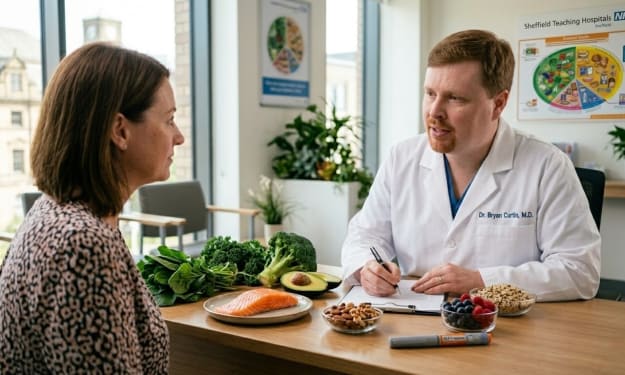
Work on incorporating whole foods into your diet. Look for whole grains, real fruit, and vegetables, and try to reduce processed foods. My wife and I have been trying to incorporate the Anti-inflammatory diet and recipes into our meals and it’s really helping us out. These meals are pretty easy to make, incorporate a lot of vegetables and fruit, and use herbs and spices to amp up the flavor.
Another thing you can do is to increase your potassium intake while lowering your sodium intake. Potassium has been shown to help lower blood pressure as well as reduce the effects of sodium on your body. Foods that are high in potassium include:
- Bananas
- Potatoes with the skin on (a baked potato with the skin on is an excellent source of potassium.
- Leafy greens such as kale, swiss chard, and spinach
- Root vegetables such as beets, carrots, and sweet potatoes.
- Watermelon
- Avocados
- Pumpkin and other squash
- Eggplant
- Tomatoes
- Dried apricots and other tree fruits
Reducing your sodium intake is another way to reduce your blood pressure. The problem is that sodium is in nearly everything these days! Processed foods contain tremendous amounts of sodium. Any food that comes packaged in a box, can, bottle, or crinkly plastic bag is often processed and is loaded with sodium. Some of the biggest culprits with the highest amount of sodium include canned soup, pudding cups, vegetable juice, and salad dressing. They can contain up to 700 mg of sodium in a single serving! Watch those labels!
4. Get your sleep

We’re finding out that good sleep is essential for our health. I know I spent many years in my youth running on fumes and only a few hours of sleep per night. Now I’m in my late 40s and all that has caught up to me.
I have a hard time sleeping all night through. I’m often awake early hours of the day, or I wake up in the middle of the night and have trouble falling back to sleep. But I can tell that when I get 7 to 8 hours of sleep, my blood pressure is lower and I definitely feel better and more energetic.
If you’re like me and have trouble getting to sleep or staying asleep, try some of these techniques to help you get that mythical 7 to 9 hours of sleep per night that will help lower your BP.
Teach your body that the bed is for sleeping. Refrain from watching TV, scrolling through social media, eating, or doing anything in your bed other than sleeping. Of course, getting intimate with your significant other is perfectly fine for the bed. In fact, sex before bed can help you sleep better, so get it on before getting your sleep on!
Try to go to bed at the same time every night. This will train your body and brain that at a certain time, it’s time for sleep.
Start relaxing 30 minutes before you go to bed. Read a book, do some light stretching, meditate, or take a bath before you go to bed. Crawling in bed after getting your mind and body relaxed will help you fall asleep faster.
Drink some herbal tea. This helps me a lot when I have trouble sleeping. Herbal teas that contain chamomile, lavender, lemon balm, and mint can help relax you and help you fall asleep faster. Add a little bit of honey if you need the sweetness and sip it 30 minutes to an hour before bed and you should sleep better.
5. Reduce your stress
In today’s world, it seems we’re constantly bombarded by stress. Work, family, bills, school, and life in general are all huge stressors. It’s been proven over and over that constant stress increases blood pressure, the risk of heart attacks, and stroke.
Of course, it’s not easy to reduce stress in your life, but it can be done. Here are some things you can try to help reduce the stress in your life:
Breathe deeply. Whenever you feel something trying to raise your blood pressure, take a few moments to step away (if at all possible) and do some breathing exercises. Take 10 long, deep breaths. Breathe in deeply and slowly. Hold it for 2 to 3 seconds and then slowly exhale. Do this 10 times and then address the stressor. You’ll often find that you think more clearly and rationally and find that whatever happened might not be that stressful after all.
Fix what you can, avoid things you can’t. Rush hour traffic? There’s nothing you can do about it so try to avoid it, or find ways to keep it from getting to you. Problems at home? Talk to your family to resolve the issues, or talk to a therapist. That one coworker who likes to get you riled up? Avoid them when you can, and don’t let them see you get upset.
Show a lot of gratitude. It’s been proven that when you take on that cringy “attitude of gratitude,” it lowers your stress. Say thank you, smile, and be appreciative and you’ll find your stress lowering.
Take time to relax when you can. Getting away from it all for a few minutes at a time helps lower stress. Get away from work for lunch, go for a walk, or listen to a book. Do something you enjoy every day to lessen the ever-constant stress.
6. Consume foods that contain probiotics
Consuming foods that contain probiotics helps your body out in numerous ways. We’re finding out that a healthy gut flora can have positive consequences on our entire body.
Probiotics are live, beneficial bacteria that aid in digestion, increase immunity, improve nutrient absorption, and help with heart health, including blood pressure.
Most of us know that yogurt contains probiotics, but did you know that kefir, kombucha, sauerkraut, kimchi, and other fermented foods contain high amounts of probiotics? Some pickles can contain probiotics as well, but not the vinegar-based pickles. The acidity of the vinegar used in most pickles kills off any probiotics. Most store-bought brands of pickles also contain high amounts of sodium, so read the labels.
Without getting too technical, probiotics help lower blood pressure by regulating vascular stress and releasing bioactive peptides. Eating these foods won’t reduce your blood pressure overnight, but consuming them regularly can lower it over time.
Sauerkraut and fermented pickles are actually very easy to make at home with only a few special, inexpensive gadgets. And they taste amazing! If you subscribe and stay tuned to my content, I’ll provide instructions and recipes for making your own sauerkraut and fermented pickles soon.
7. Add some spice to your dishes

Cayenne pepper has been shown to reduce the chances of a heart attack. The hot pepper, which is often dried and ground up in a powder, has been shown to have a mild blood-thinning property. This can help to lower blood pressure over time.
If you like spicy dishes and can handle the burn of cayenne pepper, try adding a teaspoon per day to your food, or in a drink. You can mix the cayenne pepper powder with water, vegetable juice (the low-sodium kind), or even your morning orange juice. I’m not sure how I feel about this though. I’ve tried it before and while I didn’t hate it, I wasn’t a fan, but some love it.
If you don’t like to set your mouth on fire, there are capsules you can take to avoid the burn. Look for around 600 to 900 mg capsules and follow the instructions on the bottle.
While cayenne can help some people, it can interfere with certain medications, especially blood thinners, and asthma meds. Speak to your doctor if you take any medications before starting a cayenne pepper regime. Other people have reported stomach upset, heartburn, and diarrhea when taking large amounts of cayenne pepper so start off with low doses until you know how it will affect you.
More Foods That May Help Lower Blood Pressure
We’ve already went over several foods you can add to your diet to help lower blood pressure such as leafy greens, bananas, watermelon, and fermented foods such as kimchi, sauerkraut, yogurt, and kefir. Here are some more to try and add to your diet that have been shown to help lower blood pressure naturally.
- Berries — Blueberries, strawberries, raspberries, and blackberries all contain anthocyanins, which can lower blood pressure.
- Beets — Beets and beet juice contain dietary nitrates which may help to lower systolic (the upper number of your blood pressure) BP levels. Beets don’t seem to affect diastolic (the lower number) levels though.
- Oats — Wilford Brimley told us for many years to eat our oatmeal, and he was on to something. Whole oats can increase heart health and lower blood pressure. Just look for whole oats, steel cut, or rolled oats. Instant oats are usually loaded with sodium, sugar, and artificial flavors.
- Garlic — This unassuming allium is a superfood. Garlic has so many properties that I could write an entire article on it alone. I’ll keep it short and say that garlic helps with heart health, lowers cholesterol, lowers blood pressure, and helps with arterial stiffness.
- Pomegranates — Fresh, whole pomegranates are the best, but if you have trouble getting all the little arils out, pomegranate juice is the next best thing. Be sure to look for pure pomegranate juice, not juice cocktail or concentrates as they will often contain added sugar. Pomegranates contain antioxidants that can help prevent high blood pressure.
- Nuts — Pistachios are the best for blood pressure, but walnuts, almonds, and cashews have plenty of heart-healthy fats as well. Unfortunately, most packages of nuts are loaded with added salt, so look for unsalted varieties.
- Cinnamon — Consuming a teaspoon (approximately 2 grams) of cinnamon daily has been shown to lower blood pressure. Cinnamon can also help lower your blood glucose levels as well, so add some to your morning coffee, smoothies, or sprinkle it on your oatmeal.
Hopefully some of these techniques and lifestyle changes can help you get your blood pressure under control without the need for medications. Just be sure to work with your doctor when changing your lifestyle and trying anything new.
*Author’s note: I am not a doctor, (just someone who has done a lot of research over the years) so before changing your diet, starting an exercise program, or introducing new supplements into your life, please consult with your primary care physician first.
*Second author’s note: If you enjoyed this content, please interact, comment, tap the heart, and consider following me for more, or leave a tip so I can continue to provide awesome content. Thank you very much for your time and consideration.
About the Creator
Aaron Thompson
Keep reading
More stories from Aaron Thompson and writers in Longevity and other communities.
The Night Moves
It happened so suddenly. At least that’s how it felt. My heart was racing as Jordan slid his hands up my sides and lingered on my breasts. What would my husband think of this man touching me like this? What did I think about some woman touching Kevin? Touching his dick, putting her mouth on it, and eventually draining him dry?
By Aaron Thompson2 years ago in Filthy
Are You Actually Burned Out or Just Nutrient Deficient?
Exhaustion has become the unofficial personality trait of university students. You wake up tired, drag yourself through lectures, lose focus halfway through studying, and end the day wondering why everything feels so heavy. Most students immediately assume one thing: I’m burned out.
By Being Inquisitive4 days ago in Longevity
Early March 2026: 4 Goals Accomplished
It's early March and I've now accomplished my 4th writing goal for the year of 2026. Before diving into the behind-the-scenes of it... why not tell you up front what that accomplishment was? I was published in a 2nd publication for this year. Published in Helix Literary Magazine out of Central Connecticut State University. You can read it for free right now!
By Stephen Kramer Avitabile2 days ago in Writers



Comments (1)
Thanks for sharing