
7 Critical Habits to Avoid for a Stroke-Free Life: Insights from Top Stroke Doctors
Discover the expert advice that can help you steer clear of strokes and lead a healthier, more vibrant life.
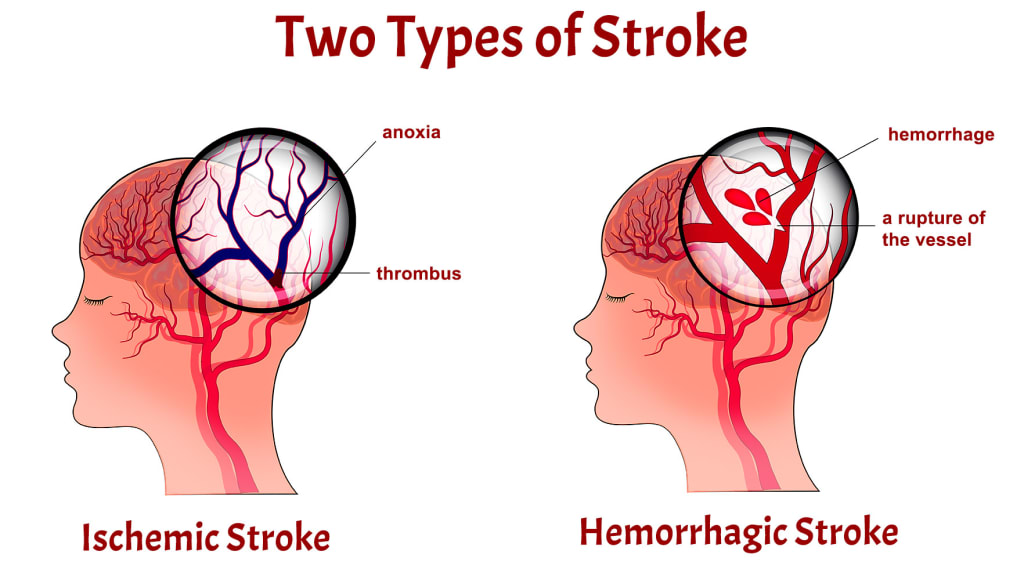
Strokes are a leading cause of death and disability in the United States, according to the American Stroke Association. The alarming reality is that many stroke risk factors, such as high cholesterol and high blood pressure, often go unnoticed until it’s too late. However, the good news is that up to 80% of strokes are preventable through lifestyle changes like exercise and diet, as noted by the Centers for Disease Control and Prevention (CDC).
Stroke doctors, who are on the frontlines of treating this condition, emphasize the importance of proactive measures to lower the risk of stroke. Dr. Anthony Kim, a vascular neurologist and medical director of the University of California at San Francisco Stroke Center, believes in focusing on prevention. "I like to think of it more proactively — what I could do to prevent stroke," he says.
Below, stroke experts share the habits they avoid and why you should avoid them, too.
1. Have a Sedentary Lifestyle

Dr. Arthur Wang, director of endovascular neurosurgery at Tulane University School of Medicine, identifies a sedentary lifestyle as a significant modifiable risk factor for stroke. A sedentary lifestyle means spending too much time sitting or lying down and not enough time exercising or moving around.
“Regular physical activity helps keep your blood vessels clog-free by preventing the build-up of plaque in the arteries,” Wang explains. He recommends at least 30 minutes of moderate exercise five times a week. This can include activities like walking, running, biking, gardening, or joining a group workout class. The key is to find enjoyable ways to stay active.
2. Ignore High Blood Pressure
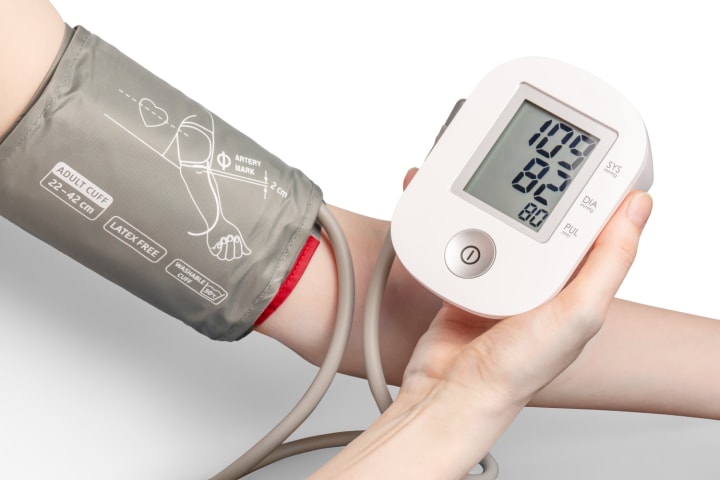
Dr. Kim emphasizes that high blood pressure is the most significant modifiable risk factor for stroke. “If you took a magic wand and waved it and suddenly eliminated high blood pressure from the U.S. population, there would be 60% fewer strokes,” he states.
High blood pressure often goes unnoticed because it doesn’t usually cause symptoms, earning it the nickname "the silent killer." Regular monitoring and treatment are crucial to managing this condition. “Blood pressure, blood pressure, blood pressure,” Kim stresses, highlighting its importance in stroke prevention.
3. Skip Regular Check-Ups

Skipping routine medical check-ups can be a dangerous habit. “These risk factors oftentimes don’t have any real symptoms,” Dr. Wang notes. Without regular screenings, conditions like high cholesterol and high blood pressure can go undetected.
Routine visits to your primary care doctor are essential for monitoring these silent risk factors. Your doctor will check your blood pressure, cholesterol, blood sugar, and weight, helping to identify and manage any potential issues before they become serious.
4. Smoke

Both Dr. Kim and Dr. Wang agree that smoking is a major risk factor for stroke and heart disease. “Smoking causes the blood vessels to become narrowed over time, leading to blockages in blood flow to parts of the brain, which is essentially what a stroke is,” Dr. Kim explains.
Quitting smoking can significantly reduce your risk of stroke. It’s one of the most impactful lifestyle changes you can make for your health.
5. Drink Too Much Alcohol

Excessive alcohol consumption is linked to several health issues, including stroke. According to Dr. Kim, there is a clear association between excessive alcohol use and an increased risk of stroke and heart disease.
The CDC defines excessive drinking as more than four drinks in one sitting for women or five drinks for men. For weekly consumption, more than eight drinks for women and 15 for men is considered excessive. Generally, it’s advised that women limit themselves to one drink per day and men to two.
6. Ignore Your Diet

A healthy diet is crucial for reducing stroke risk. Dr. Wang advises moderating the intake of saturated fats, sugar, and salt. There is a direct relationship between salt intake and high blood pressure, which is a key risk factor for stroke.
Dr. Kim recommends following the advice of author and journalist Michael Pollan: “Eat food, mostly plants, not too much.” This means focusing on a diet rich in fruits and vegetables, with moderate amounts of meat. A balanced diet can help keep your body healthy and reduce the risk of stroke.
7. Dismiss Necessary Treatment

Recognizing the signs of a stroke and seeking immediate treatment is vital. “Many strokes aren’t painful, and the symptoms can vary greatly,” Dr. Kim says.
The acronym FAST can help you remember the signs of a stroke:
- Facial drooping
- Arm weakness
- Speech difficulty
- Time to call 9-1-1
Acting quickly can make a significant difference in the effectiveness of stroke treatments.
Final Thoughts
Preventing a stroke involves making conscious lifestyle choices and staying proactive about your health. By avoiding these seven habits, you can significantly reduce your risk and protect your health. Regular exercise, a healthy diet, routine medical check-ups, and avoiding smoking and excessive drinking are key steps in stroke prevention. Stay informed and take action to ensure a healthier future.
About the Creator
Keep reading
More stories from Ravi Singh and writers in Longevity and other communities.
Exploring the Wonders of a Triple-Star System with NASA
Hubble Space Telescope Unveils New Insights NASA's Hubble Space Telescope continues to captivate space enthusiasts with its ground breaking discoveries. Since its launch in 1990, Hubble has provided us with a window into the universe, capturing stunning images and data that have significantly reshaped our understanding of the cosmos. From the breathtaking pillars of gas and dust in the Eagle Nebula to distant galaxies billions of light-years away, Hubble's contributions to astronomy are unparalleled. Recently, Hubble has set its sights on a new celestial marvel—a triple-star system that promises to deepen our knowledge of stellar formation and protoplanetary disks.
By Ravi Singh2 years ago in Futurism
How Trackless Mining Equipment Suppliers in China Operate in 2026
When searching for reliable trackless mining equipment manufacturers in China, the options get overwhelming fast. You jump on a supplier portal and suddenly see thousands of identical looking machines. Buying heavy machinery for a mine is not like ordering basic office supplies. If a loader breaks down three miles underground, the whole production schedule stops immediately. The financial hit is massive. Finding the right factory matters a lot more than just getting a cheap price tag on a shiny new vehicle.
By CEO A&S Developersabout 7 hours ago in Longevity




Comments
There are no comments for this story
Be the first to respond and start the conversation.