
6 Effective Ways to Manage Type 2 Diabetes During the Pandemic
The COVID-19 pandemic has changed our lives. It has had an effect on the way we go to the grocery store, work, and take care of our health, among other things. If you suffer from a chronic disease, such as diabetes, COVID-19 has probably brought new challenges in blood sugar management.

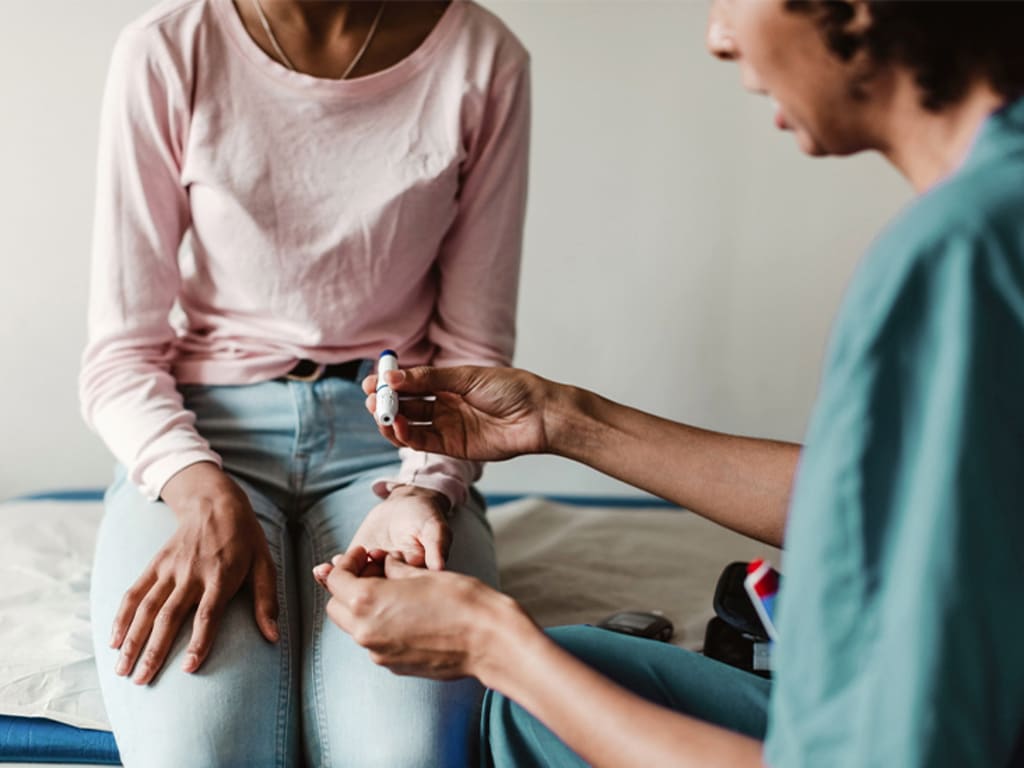
Diabetes is a condition in which your blood sugar levels are too high. These levels rise when your pancreas either doesn’t produce enough insulin (a hormone that’s involved in blood glucose regulation) or your body can’t use your insulin properly.
There are two types of diabetes. They both provoke high blood glucose levels, which can result in nerve damage (peripheral neuropathy), cardiovascular disease, and kidney issues over time. Proper management of blood sugar levels and regular visits to your healthcare provider can prevent those serious health effects.
However, keeping up with your regular appointments and lab tests has likely been more challenging lately. Since diabetes patients have a higher risk of COVID-19 complications, it can be especially difficult to figure out how to control your condition and reduce your risk of infection.
Keep in mind that there is no reason to feel guilty for the lapse and that an empathetic doctor will understand if you didn’t check-in. It’s also a good idea to contact your primary care doctor if you have any questions. Here are some simple tips on how to manage your diabetes during the pandemic:
1. Ask your doctor about a dilated eye exam
A dilated eye exam is an important preventive measure that you might have overlooked due to the pandemic. But this is an essential test for diabetes sufferers since constant high blood glucose tends to damage blood vessels throughout the body, including your eyes. That damage can result in diabetic retinopathy.
Diabetic retinopathy in the early stages is symptomless. This condition is the leading cause of vision loss in working-age Americans today. Therefore, annual eye exams are so essential for those with diabetes.
A dilated eye exam allows your doctor to see the back of your eyeball better. This makes it easier to identify early signs of diabetic retinopathy, like little hemorrhages or abnormal growth of blood vessels in the retina.
Treatment depends on the stage of retinopathy. In the early stages, a specialist may just want you to come in for more frequent eye exams to monitor the condition and check for signs of progression. Early detection and timely treatment will let you prevent blindness and vision loss.
2. Consult your dentist if you notice signs of periodontal disease
It’s known that everyone should go in for a regular dental exam and professional cleaning twice a year, but it’s completely understandable if you’ve missed these during the pandemic.
Keep in mind that diabetes puts you at increased risk for periodontal disease, that’s why dental health should be a necessary part of your diabetes management. Plus, periodontal disease can provoke an increase in blood glucose, which makes it more difficult to manage the disease. By identifying periodontitis in the early stages, a dental specialist will help you treat that potential problem.
In addition to annual dental check-ups, you should brush your teeth and floss twice daily, and watch for any redness, swelling, or bleeding in your gums that may indicate early gum disease.
If you do notice any of these signs, it’s time to talk with your dentist since you might need a thorough check-up for an accurate diagnosis. Treatment will depend on the stage of periodontal disease and can include removing bacteria and tartar or using a prescription mouthwash.
3. Check your feet regularly
Doctors often check the feet in diabetes patients due to the fact that they often develop peripheral neuropathy or nerve damage in their legs and feet. Generally, your primary care doctor will look for foot sores and ask if you have any numbness and tingling. These symptoms could be a sign of nerve damage.
4. Get vaccinated from COVID-19 as soon as possible
If you have diabetes you should get vaccinated as soon as you can if you’re comfortable doing so. The Centers for Disease Control and Prevention (CDC) claims that the COVID-19 vaccines are safe, having been evaluated in clinical trials involving tens of thousands of patients. Currently, there are three vaccines that are authorized for use in the United States: the Pfizer-BioNTech vaccine, the Moderna vaccine, and Johnson & Johnson’s Janssen vaccine.
If you have another health condition, for example, heart disease or high blood pressure in addition to diabetes, this can also make COVID-19 more severe for you.
5. Check if you need an A1C test
An A1C test, also known as a hemoglobin A1C is aimed to measure your blood sugar levels over the past three months and creates an average that’s reported as a percentage. The higher the percentage, the higher your blood glucose levels have been.
Diabetes patients usually get an A1C test at least twice a year. Your healthcare provider might recommend more frequent tests, such as every three to four months if you’re having trouble maintaining control over your blood sugar levels.
6. Continue getting your preventive screenings if possible
It’s also crucial that you take a kidney disease test every year to measure the levels of protein in your urine. Elevated levels of protein could mean that you’re developing diabetic kidney disease that can result in kidney failure if left ignored.
Talking to your doctor will help you decide on the best time to get tested. For example, if you suffer from other health conditions that raise your risk of kidney disease, like hypertension (high blood pressure), or if you have a family history of kidney disease, your doctor may encourage you not to delay this test.
About the Creator
Amelia Grant
I am journalist, and blogger.
Keep reading
More stories from Amelia Grant and writers in Longevity and other communities.
Day 4 of Quitting
If this is how sobriety feels, maybe it’s better to go through life a little buzzed… this, along with other hits like, I want to kill myself, I wish I was dead, and I’m going to throw myself off a bridge have been the only thoughts on rotation these past few days. I promise myself that if, in a month, I still feel like this (‘this’ meaning despondent, full of rage, and simultaneously numb) I can go back to smoking. Until mid-February though? Nicotine is off the table.
By sleepy drafts7 days ago in Longevity
Saudi Arabia Date Syrup Market Size and Forecast 2025–2033
Saudi Arabia Date Syrup Market: A Sweet Tradition Entering a Modern Growth Phase The Saudi Arabia Date Syrup Market is expected to reach US$ 8.38 million by 2033, up from US$ 4.6 million in 2024, expanding at a CAGR of 6.88% from 2025 to 2033. Supported by the Kingdom’s rich date cultivation heritage and growing preference for organic, traditional, and functional food products, the market is being driven by rising health awareness, increasing demand for natural sweeteners, and wider adoption across culinary and foodservice applications.
By Marthan Sir5 days ago in Longevity




Comments
There are no comments for this story
Be the first to respond and start the conversation.