
5 Essential Tools to Help Make Life Easier for ALS Patients
Here are some ways to make quality of life just a bit easier.

Living with ALS (Amyotrophic Lateral Sclerosis) can present many challenges, both physically and emotionally. However, there are tools available that can help make daily tasks easier and improve the quality of life for patients. This article will explore five essential tools designed specifically for individuals living with ALS.
Communication Devices
Living with ALS can be extremely challenging, especially when communication abilities begin to diminish. Thankfully, advancements in technology have provided numerous communication devices that can assist patients in expressing themselves effectively. From alphabet boards to sophisticated eye-tracking systems or an ALS iPhone, communication devices can help patients maintain independence and empower them to communicate freely. These devices offer a range of benefits, including promoting better social interaction, reducing isolation, and enhancing decision-making abilities. Good communication is essential for human interaction, and these devices provide a vital lifeline for those suffering from ALS. With their help, individuals can continue to engage in activities they enjoy and maintain relationships with friends and family.
Mobility Aids
As ALS advances, it can greatly impact an individual's mobility. Simple activities that were once taken for granted, such as walking, standing, or sitting, can become a challenge, severely impacting their independence. Thankfully, there are many available mobility aids designed to make life easier for individuals with ALS. These include wheelchairs, walkers, and scooters, which help patients navigate their surroundings more easily. However, power wheelchairs with specialized controls are particularly useful for individuals with severe mobility restrictions. With this aid, patients can maintain their independence to a certain extent while being able to go about their daily activities with ease and confidence.
Adaptive Eating Utensils
For individuals with ALS, something as simple as eating can become challenging as their loss of strength in their hands and arms progresses. Adaptive eating utensils offer a solution for those with limited dexterity. Weighted forks and spoons provide stability, while angled utensils make bringing food to one’s mouth easier. Easy-grip handles offer a comfortable hold that minimizes discomfort while eating. Investing in these tools can greatly improve the eating experience for those with ALS, reducing stress and enhancing the joy of mealtime. With various options available, it’s important to choose utensils that match individual needs and preferences.
Voice Amplifiers
ALS is a devastating disease that affects not only a person's physical abilities but also their ability to communicate effectively. As the disease progresses, speech difficulties often emerge, making it challenging for patients to express themselves clearly. Fortunately, there is a solution that can help alleviate this problem. Voice amplifiers are portable devices that amplify a person's voice, making it louder and clearer. Utilizing this technology can be a game changer for social interactions and improve communication with healthcare providers. With the ability to speak more clearly, individuals with ALS regain a sense of control and independence, allowing them to lead a more fulfilling life.
Environmental Control Systems
Environmental control systems are life-changing technologies that enable those with limited mobility to control the various aspects of their home independently. ALS patients, in particular, face unique challenges in their day-to-day lives, which can be effectively minimized using ECS. With this technology, they can effortlessly regulate their surroundings using a single device or voice commands, maintaining greater independence and autonomy. These systems are designed to appeal to anyone seeking increased convenience and assistance at home. As we continue to operate in an era that demands more elements of remote living, ECS has become an increasingly valuable tool for those needing more accessible living. Implementing these intelligent systems elevates the quality of life for ALS patients and others with limited mobility, all while promoting more excellent safety, comfort, and control.
Living with ALS presents numerous challenges, but having access to the right tools can greatly improve the quality of life for patients. From communication devices to mobility aids to adaptive eating utensils, there are a variety of tools available specifically designed to help individuals living with ALS navigate daily tasks more easily. By incorporating these essential tools into their daily routines, ALS patients can enhance their independence and overall well-being despite the limitations imposed by the disease.
About the Creator
Keep reading
More stories from Kara Masterson and writers in Longevity and other communities.
How IV Sedation Makes Dental Implants Stress-Free
Dental implants offer an excellent long-term solution for missing teeth, but many patients delay or avoid treatment due to anxiety about oral surgery, fear of pain, and concerns about lengthy procedures. IV sedation transforms this experience by providing a calming, stress-free environment that allows patients to receive implant treatment comfortably while remaining safely responsive throughout the procedure.
By Kara Masterson6 months ago in Longevity
Day 4 of Quitting
If this is how sobriety feels, maybe it’s better to go through life a little buzzed… this, along with other hits like, I want to kill myself, I wish I was dead, and I’m going to throw myself off a bridge have been the only thoughts on rotation these past few days. I promise myself that if, in a month, I still feel like this (‘this’ meaning despondent, full of rage, and simultaneously numb) I can go back to smoking. Until mid-February though? Nicotine is off the table.
By sleepy drafts12 days ago in Longevity
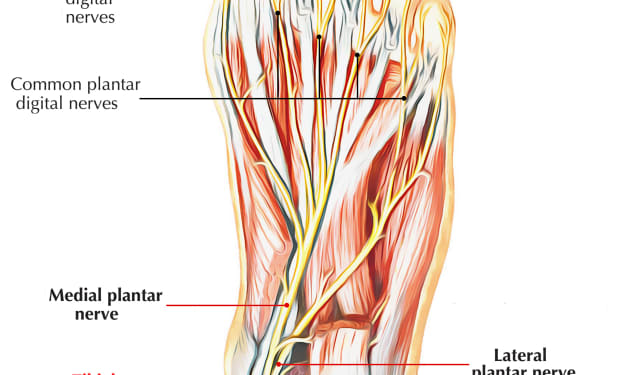
The Hidden Power of the Nerve Endings in Your Feet
Most people don’t give much thought to their feet unless they’re uncomfortable or tired. Yet beneath the surface, the nerve endings in the feet are constantly working, sending vital information to the brain that influences balance, posture, and movement. These signals operate quietly in the background, but they play a far greater role in daily life than many people realize.
By AhmedFitLife5 days ago in Longevity



Comments
There are no comments for this story
Be the first to respond and start the conversation.