
How IV Sedation Makes Dental Implants Stress-Free
Make dental surgery easier on yourself with IV sedation.
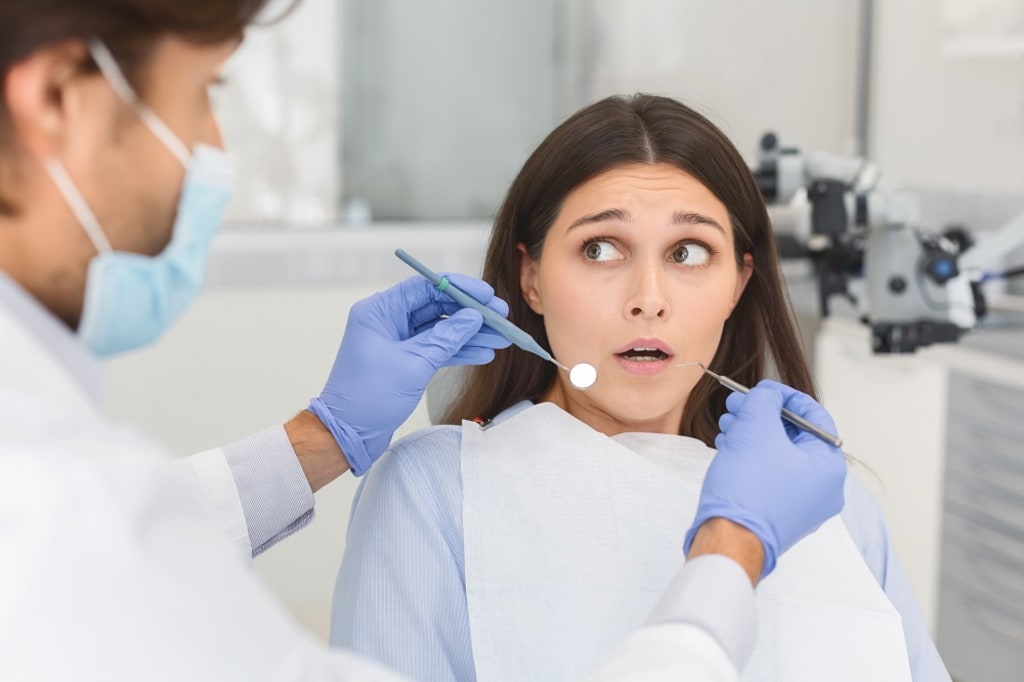
Dental implants offer an excellent long-term solution for missing teeth, but many patients delay or avoid treatment due to anxiety about oral surgery, fear of pain, and concerns about lengthy procedures. IV sedation transforms this experience by providing a calming, stress-free environment that allows patients to receive implant treatment comfortably while remaining safely responsive throughout the procedure.
Understanding Dental Implants and Patient Concerns
Dental implants are titanium posts surgically placed within the jawbone to replace the missing tooth’s roots. Once the implant is integrated with the bone, it can serve as a durable anchor for crowns, bridges, or dentures, offering superior chewing function, a natural appearance, and preserving surrounding teeth and bone structure.
Despite these benefits, many patients experience anxiety about implant procedures. The surgical nature of the placement—including gum incisions and bone drilling—can feel intimidating, especially for those unfamiliar with oral surgery. Longer procedures involving multiple implants add to the concern, as do clinical sounds and sensations that can trigger unease in even seasoned dental patients.
Working with an experienced dentist who specializes in implant dentistry, such as someone like Ocala Dental Care, can greatly ease these concerns. Skilled implant providers not only perform the surgery with precision but also guide patients through every step of the process, from pre-op planning to recovery, with reassurance and clarity. They often offer advanced sedation options and create supportive environments tailored to anxious individuals.
For many, the biggest worry is pain during or after the procedure. While modern anesthesia techniques manage physical discomfort effectively, the anticipation alone can heighten stress. This anxiety may impact not just emotional well-being but also procedural efficiency and post-op healing. That’s why choosing the right dental professional, such as one who communicates clearly and offers personalized care, is essential to ensuring both peace of mind and successful outcomes.
Understanding IV Sedation
IV sedation, also known as intravenous conscious sedation, is a trusted method used by dental professionals to help patients stay relaxed and comfortable during treatment. It involves delivering sedative medication directly into a vein, typically in the arm or hand, allowing for rapid onset and precise control throughout the procedure. Patients remain deeply relaxed but can still respond to verbal cues and light touch.
Medications commonly used include midazolam, which reduces anxiety and creates partial memory loss of the procedure, and fentanyl for managing discomfort. Together, these create a calm, anxiety-free experience while maintaining natural breathing and protective reflexes.
Compared to other forms of sedation—like local anesthesia, nitrous oxide, or oral medications—IV sedation offers superior control and effectiveness, especially for those with dental anxiety or undergoing longer or more complex procedures. Dentists trained in sedation techniques, such as those at the Portland Dentistry by Design, office of Dr. Michael Mauren, closely monitor each patient to ensure safety, comfort, and a smooth recovery.
Benefits of IV Sedation During Implant Procedures
The main advantage of IV sedation during dental implant procedures is the dramatic reduction in anxiety and stress. Patients enter a state of deep relaxation that allows them to remain comfortable throughout even the most complex surgical procedures. The memory-suppressing effects of the medication mean that patients typically have little to no memory of the procedure, eliminating the psychological burden of remembering potentially uncomfortable sensations or sounds. For lengthy procedures involving multiple implants or complex bone grafting, IV sedation enables patients to remain still and cooperative for extended periods, which is crucial for precise implant placement and reduces the risk of complications.
From a clinical perspective, IV sedation improves the efficiency and safety of implant procedures by creating an optimal working environment for the surgical team. A relaxed, cooperative patient allows the dental professionals to work more effectively, potentially reducing procedure time and improving outcomes. The controlled environment created by sedation also enables better management of complex cases that might otherwise be challenging due to patient anxiety or discomfort, while the relaxed state minimizes the body's stress response that can interfere with healing and recovery.
The physical benefits of reduced stress extend well beyond the immediate procedure, contributing to improved healing and long-term success of the implant treatment. Lower stress levels during surgery can reduce post-operative complications and promote better integration of the implants with the surrounding bone tissue. This enhanced healing environment, combined with the patient's improved comfort and cooperation during the procedure, ultimately supports the overall success and longevity of the implant restoration.
Ideal Candidates for Sedation Dentistry
IV sedation proves particularly beneficial for patients with dental phobias or those who have experienced traumatic dental procedures in the past. These individuals often require additional support to overcome their anxiety and receive necessary treatment. The profound relaxation and memory suppression provided by IV sedation can help break the cycle of dental anxiety and create positive associations with dental care.
Patients requiring complex or extended procedures, such as full-mouth reconstructions or multiple implant placements, are excellent candidates for IV sedation. The ability to remain comfortable for several hours makes it possible to complete extensive treatment in fewer appointments, reducing overall stress and improving convenience for the patient.
Individuals with strong gag reflexes, low pain tolerance, or difficulty sitting still for extended periods also benefit significantly from IV sedation. The relaxation and reduced sensitivity provided by the medication address these challenges effectively, allowing for smooth completion of the procedure.
Even patients without specific dental anxieties may choose IV sedation simply to ensure a more comfortable and pleasant experience. The peace of mind that comes with knowing they will remain relaxed and comfortable throughout the procedure can be valuable in itself.
What to Expect Before, During, and After
Pre-treatment preparation for IV sedation requires careful planning and patient education. Patients must fast for a specified period before the procedure, typically avoiding food and drink for about 8-12 hours prior to your treatment. A thorough medical history review and physical assessment ensure that sedation is appropriate and safe for each individual patient.
Transportation arrangements are essential, as patients cannot drive themselves home after sedation. A responsible adult must accompany the patient to the appointment and remain available for transportation and initial post-procedure supervision.
During the procedure, patients experience a profound sense of relaxation and detachment from their surroundings. While remaining responsive to verbal commands, they feel disconnected from the sensations and sounds of the surgical procedure. Continuous monitoring of vital signs, including heart rate, blood pressure, and oxygen saturation, ensures safety throughout the treatment.
Recovery from IV sedation typically involves a brief period of grogginess and disorientation as the medications wear off. Patients remain in the office under supervision until they are alert and stable enough for discharge. Full recovery usually occurs within a few hours, though some residual drowsiness may persist for the remainder of the day.
Safety and Professional Oversight
IV sedation is administered only by dental professionals who have received specialized training in sedation techniques and emergency management. Strict protocols govern the administration of sedative medications, including careful dosing based on patient weight, medical history, and individual response to the medication.
Continuous monitoring throughout the procedure ensures early detection of any changes in the patient's condition. Advanced monitoring equipment tracks vital signs, while trained staff members remain vigilant for any signs of complications. Emergency medications and equipment are readily available to address any unexpected situations that might arise.
The importance of working with a sedation-qualified dental team cannot be overstated. Proper training, certification, and ongoing education in sedation techniques ensure that patients receive the safest and most effective care possible.
IV sedation transforms the dental implant experience by eliminating anxiety and fear, allowing patients to receive life-changing treatment in complete comfort. For anyone considering dental implants but hesitating due to dental anxiety, IV sedation provides the confidence and peace of mind needed to take that crucial step toward restored oral health and a renewed smile.
About the Creator
Keep reading
More stories from Kara Masterson and writers in Longevity and other communities.
7 Gear-Heavy Sports Worth Trying
There’s something undeniably appealing about diving into a sport that requires more than just a ball and a pair of shoes. Gear-intensive sports offer not only physical engagement but also the joy of mastering equipment, learning rituals, and becoming part of tightly knit communities. For enthusiasts who love craftsmanship, tradition, and tangible connection through gear, these sports promise more than adrenaline—they offer an experience steeped in precision, patience, and personality.
By Kara Masterson6 months ago in Longevity
Day 4 of Quitting
If this is how sobriety feels, maybe it’s better to go through life a little buzzed… this, along with other hits like, I want to kill myself, I wish I was dead, and I’m going to throw myself off a bridge have been the only thoughts on rotation these past few days. I promise myself that if, in a month, I still feel like this (‘this’ meaning despondent, full of rage, and simultaneously numb) I can go back to smoking. Until mid-February though? Nicotine is off the table.
By sleepy drafts12 days ago in Longevity
Foods to Avoid After Whitening Teeth
A professional teeth whitening treatment can dramatically boost your confidence, whether you’re heading to a business meeting downtown, enjoying a night out in the Blue Dome District, or getting ready for a family event in Broken Arrow. Right after whitening, however, your teeth are more porous and vulnerable to staining. What you eat and drink during the first few days plays a huge role in how long your results last.
By Good health to everyone3 days ago in Longevity


Comments
There are no comments for this story
Be the first to respond and start the conversation.