
13 Low-Fat Foods That Fuel Your Health
Delicious and Nutrient-Packed Foods to Keep You Energized and Healthy

13 Low-Fat Foods That Fuel Your Health
A healthy diet often includes a balance of macronutrients—carbohydrates, proteins, and fats—but when it comes to fats, choosing the right types and quantities is key. Low-fat foods are excellent options for those looking to manage their weight, improve heart health, and reduce their risk of chronic diseases. Here are 13 low-fat foods that not only keep your fat intake in check but also fuel your body with essential nutrients.
1. Leafy Greens
Leafy greens like spinach, kale, and arugula are incredibly low in fat and packed with vitamins, minerals, and fibre. They are rich in antioxidants like vitamin C and beta-carotene, which help reduce inflammation and improve immune function. Their high water content makes them filling without adding excess calories.
How to Use: Add leafy greens to smoothies, salads, stir-fries, or soups.
2. Oats
Oats are whole grains that are low in fat and high in soluble fibre, particularly beta-glucan, which can help lower cholesterol levels. Oats provide sustained energy and improve gut health by promoting beneficial bacteria.
How to Use: Enjoy a bowl of oatmeal for breakfast, bake low-fat oat cookies, or use oats in homemade granola.
3. Beans and Legumes
Beans, lentils, and chickpeas are excellent plant-based protein sources that are low in fat and rich in fibre, vitamins, and minerals like iron and potassium. They are heart-healthy and can help stabilize blood sugar levels, making them great for those with diabetes or insulin resistance.
How to Use: Add beans to salads, soups, or stews, or make homemade bean dips like hummus.
4. Fish
Fish, especially varieties like salmon, mackerel, and sardines, is low in unhealthy fats but high in omega-3 fatty acids, which support brain health and reduce inflammation. White fish like cod, tilapia, and haddock are particularly low in fat and an excellent source of lean protein.
How to Use: Grill, bake, or steam fish for a healthy, low-fat meal.
5. Greek Yogurt (Low-Fat)
Greek yoghurt is an excellent source of protein and probiotics with a low-fat content when you opt for the non-fat or low-fat varieties. It's great for supporting gut health, muscle recovery, and overall satiety.
How to Use: Enjoy it plain with fruit and honey, or use it as a base for smoothies or savoury sauces.
6. Egg Whites
Egg whites are one of the purest sources of protein, nearly fat-free, and low in calories. They’re ideal for those looking to build muscle without adding extra fat to their diet.
How to Use: Incorporate egg whites into omelettes, or scrambles, or use them as a base for meringues and other low-fat baked goods.
7. Chicken Breast
Chicken breast is a staple for those seeking lean protein. It's extremely low in fat, especially when the skin is removed, making it a great option for weight loss and muscle gain. It’s also versatile and can be incorporated into a wide variety of dishes.
How to Use: Grill, bake, or poach chicken breast and pair it with vegetables or whole grains.
8. Berries
Berries like strawberries, blueberries, and raspberries are low in fat but high in fibre, vitamins (especially vitamin C), and antioxidants. They’re a great way to satisfy sweet cravings without the added fats or calories found in desserts.
How to Use: Add them to smoothies, oatmeal, or yoghurt, or enjoy them as a simple snack.
9. Sweet Potatoes
Sweet potatoes are a low-fat complex carbohydrate that provides a slow release of energy, which is excellent for maintaining blood sugar levels. They’re high in vitamins A and C, and their fibre content helps you feel fuller for longer.
How to Use: Roast or bake sweet potatoes as a side dish, or use them in soups and stews.
10. Cottage Cheese (Low-Fat)
Low-fat cottage cheese is a fantastic source of protein and calcium. It's also relatively low in calories and can help promote satiety, making it a good option for those looking to manage their weight.
How to Use: Mix cottage cheese with fruit, use it as a spread on whole-grain toast, or incorporate it into salads or baked dishes.
11. Quinoa
Quinoa is a complete protein, meaning it contains all nine essential amino acids. It’s low in fat and rich in fibre, vitamins, and minerals like magnesium and iron. It’s an excellent alternative to refined grains and can help keep you fuller for longer.
How to Use: Cook quinoa as a base for salads, and bowls, or as a side dish to your favourite lean proteins.
12. Apples
Apples are low in fat and packed with fibre, particularly pectin, which helps promote digestive health. They’re also rich in vitamins and antioxidants, making them a great snack or addition to meals.
How to Use: Eat apples as a snack, bake them into desserts, or add them to salads and oatmeal.
13. Cucumbers
Cucumbers are very low in fat and calories but high in water content, making them hydrating and refreshing. They’re also a good source of vitamins K and C, and their crisp texture makes them a versatile addition to meals.
How to Use: Add cucumbers to salads, and sandwiches, or enjoy them as a snack with a low-fat dip.
Final Thoughts
About the Creator
Keep reading
More stories from Amit Chakraborty and writers in Longevity and other communities.
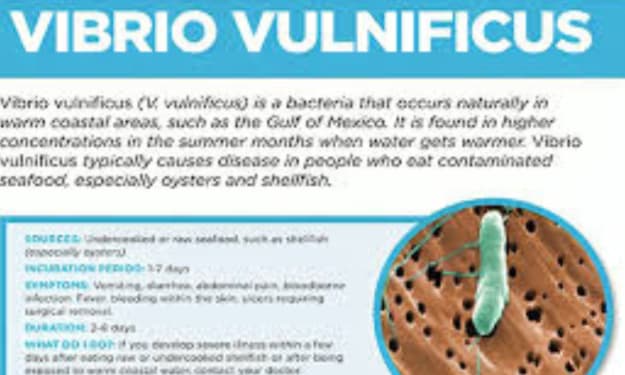
Galveston Health Officials Warn of Rising Cases of Flesh-Eating Bacteria
GALVESTON, Texas — Health officials in Galveston are raising alarms about increased cases of a dangerous flesh-eating bacteria known as Vibrio. This bacteria, commonly found in the Gulf of Mexico, poses serious health risks, particularly during the summer months when environmental conditions favour its proliferation.
By Amit Chakraborty2 years ago in Longevity
The Strange Reason Japanese People Stay Fit Without Ever Going To The Gym
When you think about fitness, images of clanging dumbbells, spinning classes, and high‑intensity workouts probably come to mind. In Japan, however, the story of health and longevity looks very different. Yes, Japan consistently ranks near the top of global life expectancy charts — but the secret isn’t found in flashy fitness studios. Instead, it’s woven into everyday life: in habits, culture, community, and small daily movements that add up.
By Zakir Ullah4 days ago in Longevity
Budget Cuts at Environment and Climate Change Canada Threaten Arctic Science
Canada’s Arctic has long been recognized as a frontline of climate change, geopolitical competition, and environmental transformation. But while global attention often focuses on melting ice, territorial claims, and resource access in the North, a quiet but deeply consequential crisis is unfolding that could seriously weaken Canada’s scientific leadership in the Arctic. That crisis stems not from external forces, but from domestic budget cuts at Environment and Climate Change Canada (ECCC) — the federal department responsible for environmental science, policy, and monitoring. In recent federal budget planning, the government announced a plan to reduce the size of the public service by about 15 % over three years, a move that will affect many departments — including ECCC. Under these cuts, more than 800 positions at ECCC could be reduced or eliminated, raising alarms among scientists, Indigenous leaders, and environmental advocates about the future of Arctic research in Canada. ECCC’s Arctic Science Role at Risk For decades, ECCC scientists have been at the center of international Arctic environmental research. They play leading roles in the Arctic Monitoring and Assessment Programme (AMAP) — a key working group of the Arctic Council that brings together scientists from Arctic states to monitor contaminants, climate change trends, and ecosystem health. Canadian researchers have served as chapter leads on more than 20 major international assessment reports on pollutants like mercury and persistent organic chemicals, generating data essential not only for domestic policy but for global treaties such as the Stockholm Convention on Persistent Organic Pollutants and the Minamata Convention on Mercury. But with staffing reductions looming, many of these specialized research roles — including those that lead long‑term monitoring of toxins in Arctic wildlife — are at risk. Some scientists may lose their jobs entirely, while critical responsibilities could fall to non‑specialists or be dropped altogether. Without these experts, Canada’s ability to detect and interpret emerging chemical threats in the Arctic — from “forever chemicals” (per‑ and polyfluoroalkyl substances) to new contaminants — could be severely impaired. Perhaps even more damaging is the potential loss of long‑term data collection. Some Arctic datasets maintained by ECCC span decades, tracking trends in pollutant levels, climate drivers, and wildlife health. These datasets are unique — few countries or institutions possess such extended records of environmental change in the North. Should monitoring programs be discontinued, these archives could be lost or rendered incomplete, eroding the basis for science‑based policy and international treaty commitments. Impacts on Policy, Law, and Environmental Governance The repercussions of these cuts extend well beyond scientific circles. Scientific evidence generated by ECCC underpins environmental law and policy in Canada and internationally. In Canada, the Canadian Environmental Protection Act and various risk‑management frameworks rely on expert assessments to identify harmful substances and regulate their use. If the scientific infrastructure that informs these laws is weakened, policymakers may lack the evidence needed to make effective decisions — leading some critics to argue that Canada risks being seen as a laggard in environmental governance. Internationally, ECCC’s work bolsters Canada’s credibility as a committed Arctic nation. In forums like the Arctic Council and global environmental treaties, Canadian scientists’ contributions influence global norms, research collaborations, and shared understanding of planetary change. Budget cuts that diminish Canadian participation could reduce its influence in these arenas at a time when Arctic geopolitics is intensifying with interests from Russia, China, and other global powers. Consequences for Indigenous Communities The cuts have real implications for Indigenous peoples in the Arctic. Many Indigenous communities depend on local ecosystems for food, culture, and livelihood — yet they also experience disproportionate exposure to environmental contaminants compared with southern populations. For example, blood mercury levels in some Inuit communities remain significantly higher than the national average, in part because mercury accumulates in traditional subsistence foods such as fish and marine mammals. Without ongoing research and monitoring, science‑based guidance on exposure risks and mitigation strategies could be severely weakened, raising concerns around environmental justice for communities already vulnerable to climate change impacts. The Broader Debate: Science, Budgets, and Priorities Defenders of the cuts argue that government spending must be disciplined and reprioritized to boost economic growth, support infrastructure goals, or strengthen national defense. Yet scientists, public servants, and civil society groups warn that undermining environmental science undercuts Canada’s capacity to protect both its environment and its people. As one union leader warned in discussions about public service reductions, these are “real science being cut,” with implications for everything from weather forecasting to ecosystem health. The coming months will determine how deeply these cuts are felt, but already there is concern that Canada’s historic leadership in Arctic science may be diminishing at a moment when the Arctic itself is undergoing rapid and potentially irreversible change.
By Fiaz Ahmed 6 days ago in Longevity



Comments (1)
I really love your content and how it's crafted , I love it and happily subscribed , you can check out my content and subscribe to me also , thanks for this beautiful one