
Galveston Health Officials Warn of Rising Cases of Flesh-Eating Bacteria
Increase in Vibrio Infections Linked to Warm Gulf Waters Prompts Public Caution
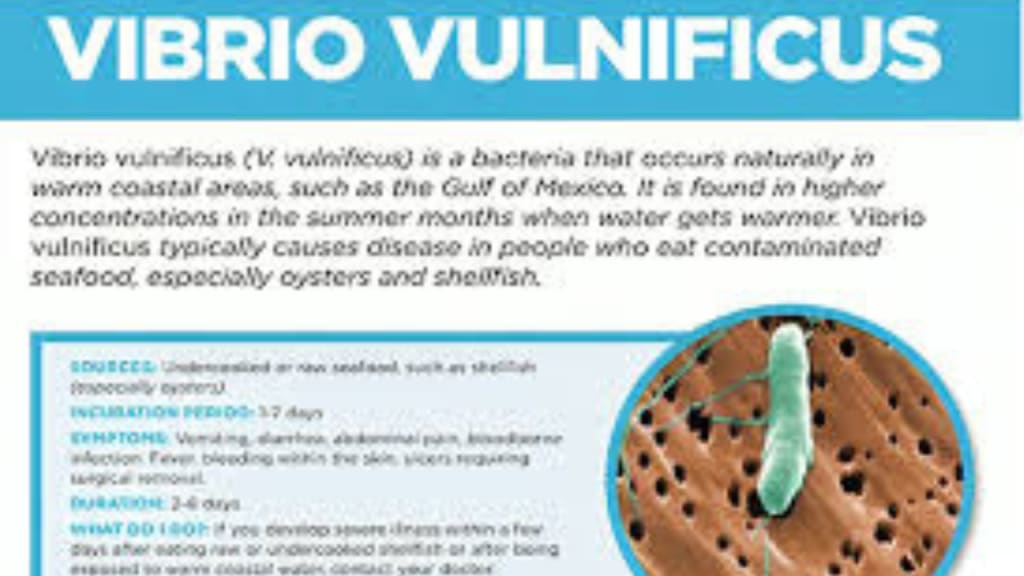
GALVESTON, Texas — Health officials in Galveston are raising alarms about increased cases of a dangerous flesh-eating bacteria known as Vibrio. This bacteria, commonly found in the Gulf of Mexico, poses serious health risks, particularly during the summer months when environmental conditions favour its proliferation.
What is Vibrio?
Vibrio bacteria are naturally occurring in warm, brackish waters such as those found in the Gulf of Mexico. These bacteria thrive in environments where the water temperature is elevated and the salinity is reduced, conditions that are typically met during the summer months. Dr. Philip Keiser from the Galveston County Health District (GCHD) explained that the combination of hot weather, warm water, and rainfall leading to decreased salinity creates an ideal breeding ground for these bacteria.
Increase in Cases
According to the Galveston County Health District, there have been 11 reported cases of Vibrio infections so far this year. Of these, eight were reported by individuals who do not reside in Galveston County, while three cases were from residents. This is a significant increase compared to the previous year when only two cases were reported.
Types of Infections
Vibrio bacteria can cause two primary types of infections: gastrointestinal and skin infections.
Gastrointestinal Infections:
These infections typically occur after consuming raw or undercooked seafood, particularly oysters.
Symptoms include nausea, vomiting, diarrhoea, and abdominal pain.
Dr. Keiser emphasized that the bacteria can cause severe food poisoning-like symptoms, which can be particularly dangerous for individuals with compromised immune systems or preexisting health conditions.
Skin Infections:
Skin infections occur when the bacteria enter the body through open wounds or cuts.
Symptoms include redness, swelling, and the development of blisters that may ooze pus.
These infections can progress rapidly and become life-threatening if the bacteria spread to the bloodstream.
Impact on Tourists and Locals
For many tourists, the threat posed by Vibrio bacteria is an unfamiliar hazard. Wanda and James Ray, visitors from Kentucky, were unaware of the bacteria's presence until their recent trip to Galveston. After enjoying oysters, Wanda experienced a rough night, highlighting the potential risks associated with consuming raw seafood in the region.
In contrast, residents are more familiar with the dangers posed by Vibrio bacteria and often take precautions to mitigate their risk of infection. A mother from Houston, visiting Galveston with her children, explained that she routinely checks for open wounds before allowing her family to enter the water.
Vulnerable Populations
Health officials warn that individuals with preexisting health conditions are at a heightened risk of severe Vibrio infections. The bacteria can quickly enter the bloodstream, causing a life-threatening condition known as sepsis. For healthy individuals, the symptoms may resemble those of typical food poisoning, but for those with weakened immune systems, the consequences can be much more severe.
Preventive Measures
To reduce the risk of Vibrio infection, health officials recommend several preventive measures:
Avoiding Raw Seafood:
Refrain from consuming raw or undercooked seafood, especially oysters.
Ensure that seafood is cooked to the appropriate temperature to kill harmful bacteria.
Protecting Open Wounds:
Avoid exposing open wounds, cuts, or sores to warm seawater.
Use waterproof bandages to cover any wounds if contact with seawater is unavoidable.
Monitoring Water Quality:
Stay informed about local water quality advisories.
Avoid swimming in water that has been recently impacted by heavy rainfall, which can alter salinity levels and increase bacterial growth.
Seeking Prompt Medical Attention:
If you experience symptoms of Vibrio infection after consuming seafood or after water exposure, seek medical attention immediately.
Early treatment is crucial for preventing severe complications.
Public Awareness and Education
Increasing public awareness about Vibrio bacteria and the associated risks is a key strategy in preventing infections. The Galveston County Health District is actively working to inform both residents and visitors about the dangers of Vibrio and the steps they can take to protect themselves.
Conclusion
As the summer heat continues, the risk of Vibrio infections remains a significant concern for those visiting or residing in coastal areas like Galveston. By understanding the nature of this bacteria and taking appropriate precautions, individuals can reduce their risk of infection and enjoy the natural beauty of the Gulf safely.
Health officials continue to monitor the situation closely and encourage the public to stay informed and vigilant. For the most current information and updates on Vibrio and other health-related issues, residents and visitors are encouraged to follow the guidance of the Galveston County Health District and other local health authorities.
Summary
Galveston County Health District has reported a notable increase in cases of Vibrio, a dangerous flesh-eating bacteria found in the Gulf of Mexico. With 11 cases this year, up from two last year, health officials urge caution, particularly with raw seafood consumption and open wounds exposed to seawater. Vibrio can cause severe gastrointestinal and skin infections, with individuals having preexisting health conditions being most at risk. Preventive measures include avoiding raw seafood, protecting open wounds, monitoring water quality, and seeking prompt medical attention for symptoms. Public awareness and education are crucial in mitigating these risks as the summer season progresses.
About the Creator
Keep reading
More stories from Amit Chakraborty and writers in Longevity and other communities.
Breakthrough in Alzheimer's Detection: New Blood Test Shows High Accuracy
A recent study has unveiled a promising new blood test that can detect Alzheimer's disease in its early stages with remarkable accuracy, identifying over 90% of cases of early dementia. This development could revolutionize the diagnosis and management of Alzheimer’s, providing a less invasive and more cost-effective method compared to current diagnostic tools like PET scans and cerebrospinal fluid (CSF) tests.
By Amit Chakraborty2 years ago in Longevity
Microsoft's Purposeful Marketing Deception About AI's Ability To Beat Physicians In Diagnosis
When you look at the world of scientific research... If you are not careful... You will be fooled into believing things that are not actually supported by the data.
By Dr. Cody Dakota Wooten, DFM, DHM, DAS (hc)a day ago in Longevity
The Energy Budget
Already worn out upon waking. Though the hours ahead hold no unusual hurdles - just everyday duties, expected chores, ordinary pressures - they somehow seem too much. Tasks that were managed many times before now appear heavy. Even thinking about starting drains energy. Come noon, reserves are gone. Fatigue sets in by nightfall. Lying down, one might question why being alive feels so draining.
By Dr Marc Nock2 days ago in Longevity


Comments (2)
Amazing message
Thanks for sharing