
10 Facts You Should Know Before Getting a Dental Implant
If you're reading this, you probably are considering getting a dental implant or any other dental procedure for your teeth. If it's a dental implant you're going for then this story covers everything you should know about it.

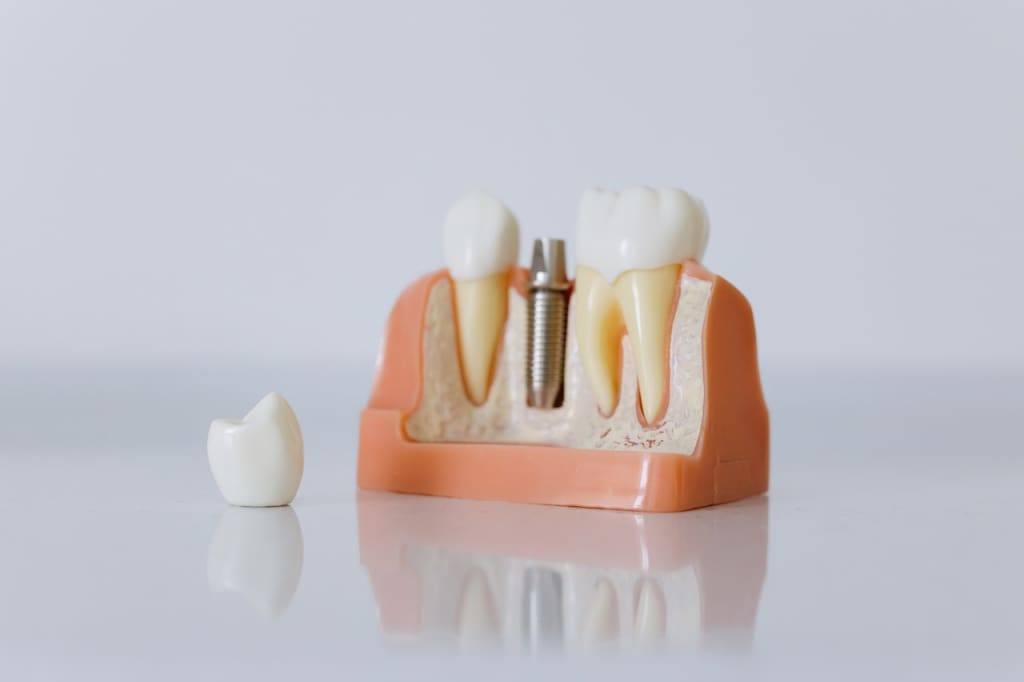
To support dental prostheses like crowns, bridges, dentures, or facial prostheses or to serve as an orthodontic anchor, dental implants interact with the jawbone or skull.
1. Many appointments are needed.
Your dentist will initially check your teeth after helping you locate a nearby dental practice that provides dental implants and setting up an appointment. X-ray images are used in conjunction with other methods. They will also provide you with comprehensive advice on how to get ready for the procedure. Usually, you will be told to refrain from food and liquids for a certain period of time before the surgery.
2. Tooth loss is common.
One of the most prevalent dental conditions in the world is tooth loss. Fortunately, unlike other options, dental implants are low-risk and provide a long-term solution to lost teeth. Ask your dentist if dental implants are an option for you if you want to improve your smile after experiencing tooth loss.
3. Dental implants are not just for looks.
Missing teeth can alter the way you look when you smile, but they can also influence the way you speak, chew, and bite. This means that dental implants also help you speak more clearly and in comfort. They are significantly preferable to dentures because they won't need refitting and restoration.
4. Artificial roots.
Some patients believe implants are the same as crowns. But in fact, they are metallic structures like screws that replace the roots of the teeth. The implant is placed in your jawbone and after the bone tissue has healed around it, an abutment and crown can be placed on top. These artificial roots stimulate the jawbone, unlike other replacement options.
5. The process carries a modest risk.
Thankfully, dental implants have a high chance of success. Age and poor bone health are the situations with the highest failure risk. Ask a local dentist if you're interested in learning more about dental implant issues. They will offer insightful commentary and guidance on the matter.
6. Bone preparation could be necessary.
Your dentist will need to conduct a bone transplant if they conclude that your bone tissue is not suitable for receiving the implant. This implies that before completing the treatment, you will need to wait for the bone to heal. Which will ultimately boost your chances of success.
7. Aftercare is rather simple.
You'll receive advice on how to care for yourself following surgery from your dentist. They often entail keeping the wound area tidy and regularly rinsing with salt water to maintain the area clean. Additionally, eating soft foods is advised to protect your dentist's meticulous work. If you're in pain, your dentist may also tell you to take a painkiller.
8. It can require several weeks to finish.
Dental implants might take from a few weeks to a few months to complete, despite all the advantages they offer. However, the wait is worthwhile because they provide a long-lasting and permanent remedy to oral issues.
9. Dental implants require upkeep.
Even though implants are false teeth, they still need maintenance. Although they are not in danger of tooth decay. You must brush and floss around them every day to prevent gum disease.
10. They outshine real teeth in strength.
In the end, dental implants function and appear like natural teeth. They are a long-lasting remedy for a variety of tooth issues because they are built of sturdy metals.
If you live in Riyadh or are planning to visit for dental implants in Riyadh, learn more about it at Enfield Royal Saudia Clinic.
I
About the Creator
Shahid Munir
Acquire your dream look with Enfield Royal Saudia. With over 15 years of experience, thousands of happy customers, and qualified surgeons, we can help you become the best version of yourself.
Keep reading
More stories from writers in Longevity and other communities.
Self Help: Grifters' Gospel
On Self-Help, Snake Oil, and the Illusion of Change Psychology professionals and students can be imagined on two opposite sides of a line called self-help books: likely a larger group opposes pop-science and step-by-step manuals filled with talk of success, journaling, and not giving a f**k; others love them, but they aren’t many.
By Avocado Nunzella BSc (Psych) -- M.A.P 7 days ago in BookClub


Comments
There are no comments for this story
Be the first to respond and start the conversation.