
Why Hair Fall Happens in Women & How to Choose Your Best Defense (Hint: Shampoo Matters!)
Why Women Lose Hair & How to Choose the Best Shampoo for Hair Fall Control


That moment in the shower, staring at the drain... or the brush clogged with strands. If you're a woman experiencing hair fall, you're far from alone. In fact, studies suggest up to 50% of women will experience noticeable hair loss at some point in their lives. It can feel alarming, frustrating, and deeply personal. But understanding why it happens is the crucial first step towards finding solutions, starting with something as simple (yet powerful) as your daily shampoo. Let’s unravel the mystery and find your best hair care allies.
Why Is This Happening? Unpacking Female Hair Fall
Hair loss in women (female pattern hair loss or female alopecia) is complex and rarely has just one cause. Think of your hair like a plant – its health depends on the soil (scalp), nutrients, water, and the environment. Here’s what often disrupts the growth cycle:
1. Hormonal Havoc:
- Androgenetic Alopecia (Female Pattern Hair Loss): This is the most common cause. It's genetic and influenced by hormones, particularly sensitivity to dihydrotestosterone (DHT). Unlike men’s receding hairlines, women typically see overall thinning, especially along the part line and crown, while the frontal hairline often stays intact.
- Pregnancy & Postpartum: High estrogen during pregnancy keeps hair in its growth phase longer. After delivery, hormones plummet, pushing many hairs into the shedding (telogen) phase all at once – leading to significant shedding around 3-6 months postpartum. This usually resolves within 6-12 months.
- Menopause: Declining estrogen and progesterone (which protect hair follicles) combined with relatively stable androgens can lead to thinning and finer hair texture.
- PCOS (Polycystic Ovary Syndrome): Often involves elevated androgens, contributing to thinning hair on the scalp and sometimes unwanted hair growth elsewhere.
- Thyroid Disorders: Both an underactive (hypothyroidism) and overactive (hyperthyroidism) thyroid can disrupt the hair growth cycle, leading to diffuse shedding.
2. Nutritional Deficiencies – Fueling the Follicle:
Your hair needs specific building blocks. Deficiencies in these are major culprits:
- Iron: Especially common in women due to menstruation. Low ferritin (stored iron) levels are a frequent cause of diffuse shedding, even without full-blown anemia.
- Vitamin D: Crucial for follicle cycling. Low levels are linked to various types of alopecia.
- Protein: Hair is primarily keratin (protein). Inadequate intake forces hair into a resting phase.
- B Vitamins (especially Biotin & B12), Zinc: Essential for hair cell growth and repair.
3. Stress: The Silent Shedder
- Telogen Effluvium: Significant physical or emotional stress (surgery, severe illness, major life events, chronic stress) can shock hair follicles, pushing a large percentage prematurely into the shedding phase. Shedding typically starts 2-3 months after the trigger and can last several months.
- Trichotillomania: A stress or anxiety-related disorder involving the compulsive urge to pull out hair.
4. Scalp Health: The Foundation Matters
- Dandruff & Seborrheic Dermatitis: Inflammation and flaking caused by yeast overgrowth (Malassezia) can clog follicles and weaken hair roots.
- Psoriasis: An autoimmune condition causing rapid skin cell buildup, leading to thick scales that can impede hair growth.
- Fungal Infections (Ringworm): Can cause patchy hair loss and require medical treatment.
- Product Buildup & Clogged Follicles: Heavy styling products and inadequate cleansing can suffocate follicles.
Tired of Hair Fall? Try Our Top-Rated Supplements Backed by Science
5. Harsh Styling & Treatments:
- Tight hairstyles (ponytails, braids, cornrows) cause traction alopecia over time.
- Excessive heat styling (flat irons, curling irons) damages the hair shaft and weakens it.
- Chemical processing (bleaching, perming, relaxing) that breaks down hair structure.
6. Underlying Medical Conditions & Medications:
- Autoimmune diseases (like Alopecia Areata).
- Chronic illnesses.
- Certain medications (blood thinners, antidepressants, beta-blockers, retinoids, some chemotherapy drugs – hair loss is a known side effect).
Finding Your "Best Hair Fall Shampoo": It's Not Magic, But It's Vital
Let's be clear: No shampoo can single-handedly stop genetic hair loss or instantly regrow a full head of hair. However, the right shampoo is a powerful tool in your arsenal. It can:
- Create a Healthy Scalp Environment: Remove buildup, oil, and dead skin cells that clog follicles.
- Reduce Inflammation: Calm an irritated scalp that hinders growth.
- Deliver Key Actives: Provide ingredients that may help strengthen hair, minimize breakage, and potentially support a healthier growth cycle.
- Improve Hair Appearance: Make existing hair look thicker and fuller.
Choosing the Best Shampoo for Your Hair Fall:
The "best" shampoo depends entirely on the primary cause of your hair fall. Think of it like targeted therapy:
1. For Thinning Related to Androgenetic Alopecia (DHT Sensitivity):
- Look For: DHT-blocking ingredients.
- Key Ingredients: Ketoconazole (1% or 2% - prescription strength is stronger), Caffeine, Saw Palmetto Extract, Pumpkin Seed Oil, Niacinamide (Vitamin B3). These aim to counteract the hormone affecting the follicle.
- Example Formulations: Shampoos specifically labeled for "thinning hair" or "genetic hair loss" containing these actives.
2. For Shedding Due to Telogen Effluvium (Stress/Shedding) or General Weakness:
- Look For: Hair-strengthening and scalp-stimulating ingredients.
- Key Ingredients: Biotin (though topical efficacy is debated, it can help appearance), Proteins (keratin, amino acids), Caffeine (stimulates circulation), Niacinamide, Rosemary Oil (research shows potential similar to minoxidil for some), Peptides. Focus on minimizing breakage of fragile hair.
- Example Formulations: Shampoos labeled for "breakage," "strengthening," or "volume," often containing proteins and growth-stimulating botanicals.
3. For Scalp Conditions (Dandruff, Seborrhea, Psoriasis):
- Look For: Anti-fungal, anti-inflammatory, and exfoliating ingredients. Treating the scalp condition is paramount.
- Key Ingredients: Pyrithione Zinc, Selenium Sulfide, Ketoconazole, Salicylic Acid, Coal Tar (for psoriasis), Tea Tree Oil (mild antifungal/antibacterial).
- Example Formulations: Medicated dandruff shampoos (OTC or prescription), clarifying shampoos for buildup. Use as directed, often less frequently than daily.
4. For Overall Scalp Health & Gentle Cleansing:
- Look For: Gentle surfactants, moisturizing agents, and soothing ingredients.
- Key Ingredients: Mild sulfates or sulfate-free cleansers (if your hair/scalp tolerates it), Aloe Vera, Glycerin, Panthenol (Pro-Vitamin B5), Chamomile, Oat extract.
- Example Formulations: Daily shampoos for "sensitive scalp," "moisturizing," or "gentle cleanse."
Crucial Considerations When Choosing:
- Scalp First: Always prioritize the needs of your scalp over your hair strands. A healthy scalp is the foundation for healthy hair growth.
- Gentleness is Key: Avoid harsh sulfates (like SLS/SLES) if you have a sensitive or irritated scalp, as they can strip natural oils and worsen inflammation. However, some scalps with significant oil or buildup may benefit from them occasionally.
- Consistency is Crucial: Don't expect overnight miracles. Most active ingredients need consistent use (often 2-3 months or longer) to show potential benefits related to reducing shedding or improving thickness.
- Complement Your Routine: Shampoo is just one step. Consider conditioners focused on the mid-lengths to ends (avoid heavy ones on the roots), targeted scalp treatments (serums), and a healthy lifestyle.
- Consult a Professional: If hair fall is sudden, severe, patchy, or accompanied by other symptoms, see a dermatologist or trichologist. They can diagnose the underlying cause, rule out medical conditions, and recommend prescription treatments (like minoxidil, spironolactone, finasteride) if appropriate. A blood test can check for deficiencies.
Frequently Asked Questions (FAQs)
1. "How much hair fall is normal?"
Losing 50-100 hairs per day is completely normal! It's part of the natural growth cycle. Worry comes when you notice significantly more shedding (clumps in the shower/drain, visible thinning) or if the shedding persists for months.
2. "Can shampoo really help my hair grow back?"
Shampoo alone rarely regrows significant hair lost due to genetics or severe medical issues. Its primary job is to create a healthy scalp environment, reduce breakage, minimize shedding, and make existing hair look fuller. It supports the potential for healthier growth but isn't a standalone regrowth solution like minoxidil.
3. "How long will it take to see results from a hair fall shampoo?"
Be patient! It typically takes at least 4-8 weeks of consistent use to notice reduced shedding or improved texture. Seeing visible thickening or regrowth takes longer, often 3-6 months or more, and depends heavily on the cause of your hair loss.
4. "What's the deal with DHT-blocking shampoos? Do they work?"
Ingredients like ketoconazole and caffeine have research suggesting they can help inhibit DHT on the scalp and reduce inflammation. They are considered supportive therapy, especially for androgenetic alopecia, and are often used alongside other treatments like minoxidil. They won't work for everyone or for all types of hair loss.
5. "Is postpartum hair loss permanent?"
Thankfully, no! Postpartum shedding (telogen effluvium) is usually temporary. Hair typically starts regrowing within 6-12 months after delivery as your hormone levels stabilize. Focus on gentle care, good nutrition, and patience.
6. "Can diet really affect my hair?"
Absolutely! Severe calorie restriction, protein deficiency, and low levels of iron, vitamin D, zinc, and B vitamins are well-established contributors to hair loss. Eating a balanced, nutrient-rich diet is fundamental for healthy hair growth.
The Takeaway: Knowledge is Power, Action is Key
Hair fall in women is multifaceted, but it's not a battle you have to fight blindly. Understanding the "why" behind your shedding empowers you to choose the right strategies. While the "best hair fall shampoo" depends on your unique cause, prioritizing scalp health, seeking gentle yet effective formulas with targeted actives, and managing expectations are universal steps.
Remember, your shampoo is a valuable foot soldier in your hair health army, but it's rarely the lone general. Be kind to yourself, be patient with the process, and don't hesitate to seek professional guidance for a proper diagnosis and comprehensive treatment plan. Healthy, resilient hair is absolutely within reach.
What's your biggest hair fall challenge right now? Share your experiences or questions in the comments below – let's support each other on this journey!
About the Creator
Epic Vibes
✨ Welcome to Epic Vibes Blog! 🌟 Explore diverse insights and trending topics. From the latest buzz to hidden gems across various realms, we bring you fresh, engaging content. Stay ahead with us! 🚀
Keep reading
More stories from Epic Vibes and writers in Lifehack and other communities.
Why do men over 30 suddenly feel tired all the time?
Remember those days in your 20s when you could pull an all-nighter, crush a workout, and still feel ready to conquer the world? Fast forward to your 30s or beyond, and suddenly, hitting the snooze button feels like a major victory, and that afternoon slump hits like a freight train. If you're a guy over 30 wondering, "Why am I always so tired?", you're not alone. This pervasive fatigue isn't just in your head – it's a complex interplay of biology, hormones, and the very real demands of modern life. Let's break down the key reasons and, more importantly, what you can realistically do about it.
By Epic Vibes5 months ago in Lifehack
Top 10 Questions to Ask Every Perth NDIS Service Before You Engage Them
Choosing the right National Disability Insurance Scheme (NDIS) provider shapes the quality of care, independence, and outcomes a participant experiences. In Perth, families and participants face a growing number of service options, which makes informed decision-making essential.
By Anshul Vijay2 days ago in Lifehack
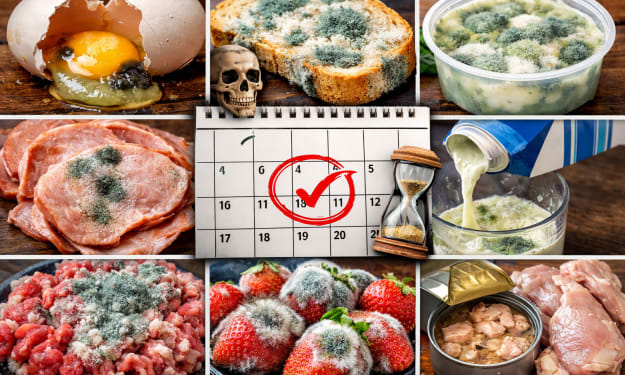
9 Foods You Should Never Eat Past the Expiration Date, No Exceptions
But certain foods cross a line where the expiration date becomes about more than just quality—it’s about safety. Eating past that line can expose you to dangerous bacteria, toxins, or nutrient loss you can’t see or smell. Knowing which foods to never push beyond their expiration dates is key to keeping your kitchen safe. Here are the nine foods that are not worth the risk.
By General gyan2 days ago in Lifehack


Comments
There are no comments for this story
Be the first to respond and start the conversation.