
Why Gen Z Is Prioritizing Mental Health Over Hustle Culture
Why the Youngest Generation Is Redefining Success with Balance, Self-Care, and Purpose

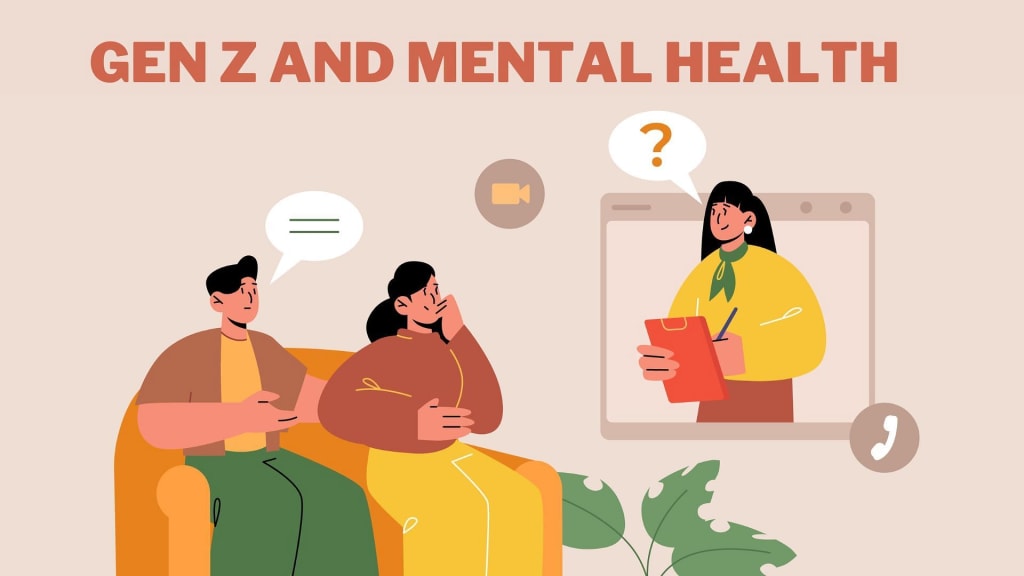
Why Generation Z Places Mental Health Above Hustle Culture In the fast-paced world of today, hustle culture became a popular trend. It taught us that working non-stop, skipping breaks, and being busy all the time were signs of success. You weren't serious about your future if you weren't always "on the grind." However, Generation Z—those born between 1997 and 2012—is currently altering the situation. Instead of burning themselves out, they are choosing to care for their mental health.
Why is Gen Z turning away from hustle culture? And what can we learn from their new way of thinking?
---
What Is Hustle Culture?
Hustle culture is the belief that working constantly is the only path to success. It's about getting up early, sleeping late, and completing tasks every minute. Phrases like “No pain, no gain” and “Sleep is for the weak” are common in this mindset. It makes people feel bad about taking a break, unwinding, or even spending time with loved ones. The hustle culture might appear to be beneficial at first. But in reality, it often leads to serious problems like stress, anxiety, burnout, and even depression. This way of life has the potential to harm one's mental and physical health over time. ---
How Gen Z Sees It Differently
Unlike previous generations, Gen Z has grown up in a digital world full of information, videos, and open conversations about mental health. On TikTok, YouTube, and Instagram, they have heard people talk about burnout, therapy, anxiety, and emotional healing. Here’s why Gen Z is shifting the focus:
1. Early Contact with Burnout Many members of Generation Z witnessed their parents, older siblings, or teachers struggling with job dissatisfaction, financial pressure, or stress. They have seen how people put their health at risk for work, and they do not want the same life. 2. Openness Around Mental Health
Unlike older generations who often stayed silent about mental illness, Gen Z talks openly about mental struggles. They normalize going to therapy, taking breaks, and asking for help.
3. Priorities shifted due to COVID-19 The pandemic forced everyone to stop. During that pause, people realized how important rest, health, and human connection really are. For many in Gen Z, this was a wake-up call. They realized that life is not just about working hard—it’s about living well.
4. Redefining Achievement There is now more to success than just a good job or a big house. For Gen Z, success means peace of mind, meaningful work, flexibility, and time for themselves. They want a job that fits their life, not a life that revolves only around a job.
---
What Are They Doing Differently?
New habits that emphasize balance rather than burnout are being developed by Gen Z. Here are some of their common practices:
Setting limits: They're learning to say "no" to extra work when it's necessary. Taking mental health days: Rest is seen as productive, not lazy.
Remote work preference: Many Gen Z workers want flexible schedules and the ability to work from home.
Practicing self-care: Activities like journaling, yoga, reading, and spending time in nature are regular parts of their routine.
Limiting social media use: Although they grew up online, many Gen Zers take regular breaks to protect their mental space.
They are also building support systems. Online communities, support groups, and therapy apps have made it easier to connect with others who understand what they are going through.
---
Is This a Sign of Laziness?
Some critics say Gen Z is “soft” or “lazy” because they don’t want to work long hours. But that’s not true. Gen Z still puts in a lot of effort, but they do it smarter. They believe that life is not a race, but a journey. They are still chasing goals, but they want to protect their mental and emotional well-being along the way.
In fact, Gen Z often performs better when they take care of their minds. People with good mental health are more creative, focused, and motivated. Therefore, this change may actually result in greater success over the long term. ---
Final Thoughts
Gen Z is leading a quiet revolution. They are showing us that we are not weak when we rest. that less care does not mean less work. that mental well-being is just as crucial as physical well-being, if not more so. Instead of living to work, they are choosing to work to live.
In a world that praises busyness, Gen Z is reminding us that peace, happiness, and balance matter too. Maybe it’s time we all started listening.
About the Creator
Sabrina
A curious soul weaving words across emotions, ideas, and the world around us. Her writing seeks meaning in the everyday and beauty in the untold.
A Parent’s Guide to Fun Kids Birthday Parties in Philadelphia
Planning a birthday party for your child is always exciting, but it can also feel overwhelming for many parents. Every parent wants to create a memorable celebration that is fun, safe, and enjoyable for both children and guests. From choosing the right theme to organizing activities and food, there are several details to consider when preparing for a birthday celebration.
By Sophie Blogs3 days ago in Lifehack
The Day Everything Changed
Most days in life pass quietly, almost unnoticed. People wake up, follow their routines, go to work or school, meet friends, and return home. Nothing unusual happens, and by the next week many of those days are forgotten. But sometimes, without warning, one single day appears that changes everything. It becomes a dividing line in life — the moment when the past and the future suddenly look different.
By Irshad Abbasi 3 days ago in Lifehack


Comments
There are no comments for this story
Be the first to respond and start the conversation.