
Why COPD Is Rising Among Younger People: A Hidden Health Crisis
The alarming shift of a chronic disease once linked only with aging


Chronic Obstructive Pulmonary Disease (COPD) has long been viewed as a condition that mostly affects older adults, especially those with a long history of smoking. Traditionally, doctors expected to see COPD in people aged 60 and above who had been smoking for decades. But in recent years, a disturbing trend has emerged—COPD cases are rising among younger generations, including millennials and even Gen Z. This shift is raising serious concerns in the medical community and challenging old assumptions about who is at risk.
Understanding COPD in simple terms
COPD is a chronic lung condition that makes it difficult for people to breathe. It includes diseases such as chronic bronchitis and emphysema. The lungs lose their ability to move air in and out efficiently, leading to symptoms like persistent cough, wheezing, chest tightness, fatigue, and shortness of breath. Unlike temporary breathing problems from a cold, COPD worsens over time and is considered irreversible, though treatment can slow its progression.
While smoking has historically been the number one cause, exposure to air pollution, secondhand smoke, chemicals, and even genetic factors can also contribute. The fact that younger people—many still in their 20s or 30s—are developing this condition is a major red flag for public health experts.
Why are younger people getting COPD?
Several factors are driving this rise among younger populations:
1. Vaping and e-cigarettes
Many young adults turned to vaping, believing it to be safer than traditional cigarettes. However, emerging studies reveal that vaping can damage lung tissue, trigger chronic inflammation, and lead to long-term respiratory issues. Since vaping products are widely accessible, even teenagers are developing habits that put them at risk.
2. Earlier smoking initiation
In many regions, smoking still begins in adolescence. Starting young means lungs are exposed to harmful chemicals for more years, increasing the likelihood of developing COPD earlier in life.
3. Air quality and pollution
Urbanization has led to higher pollution levels, especially in large cities. Constant exposure to car exhaust, industrial smoke, and fine dust particles contributes to chronic lung damage, even in non-smokers.
4. Secondhand smoke and indoor pollutants
Young people who grow up in households with smokers or poorly ventilated kitchens using biomass fuels face long-term exposure that weakens their lungs.
5. Genetic vulnerability
A condition known as alpha-1 antitrypsin deficiency can predispose individuals to COPD even without heavy smoking. While rare, it highlights that genetics also play a role in early onset.
Signs young adults should not ignore
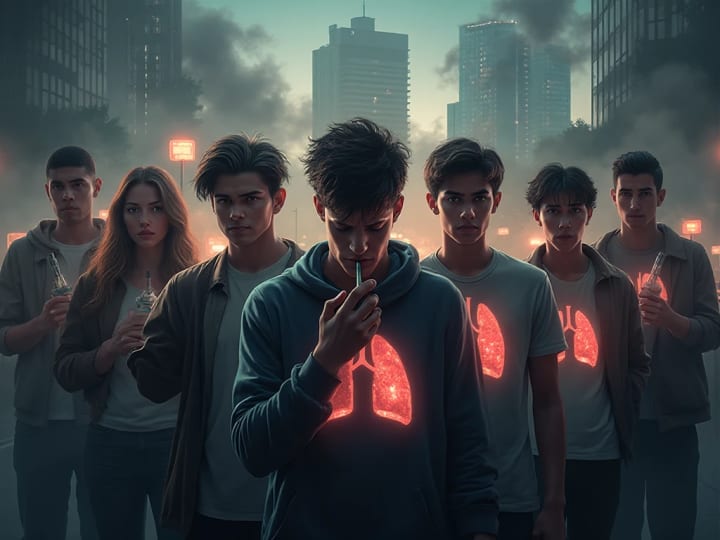
Because COPD has traditionally been seen as a disease of older adults, young people often dismiss early warning signs. Common symptoms such as a nagging cough, shortness of breath during exercise, or frequent chest infections are brushed off as minor issues. This delay in seeking medical help often means the disease is diagnosed at a more advanced stage, making treatment harder.
Health experts stress that anyone under 40 with persistent respiratory symptoms should undergo lung function tests. Early detection can significantly improve quality of life and slow disease progression.
The social and emotional impact
Getting diagnosed with a chronic disease in your 20s or 30s can be overwhelming. COPD affects not only physical health but also emotional well-being. Many younger patients feel isolated, anxious, or even ashamed, believing they brought the condition on themselves. Others worry about how their condition will affect their careers, relationships, or ability to have an active lifestyle.
This emotional burden highlights the need for more open conversations about COPD in youth, free of stigma and judgment. Support groups, counseling, and awareness campaigns can help younger patients cope and feel less alone.
What can be done to reverse the trend?
The rise of COPD in younger populations calls for urgent action from both individuals and policymakers:
Stricter regulation of vaping and e-cigarettes: Marketing that targets teenagers and young adults needs to be controlled. Clearer health warnings, similar to those on cigarette packs, should be mandatory.
Better air quality policies: Governments should invest in reducing traffic pollution, promoting cleaner fuels, and monitoring air quality in urban areas.
Awareness and education: Schools and universities can play a vital role in teaching students about the long-term dangers of smoking and vaping.
Encouraging early screening: Making lung function tests more accessible could help detect COPD at earlier stages, especially in high-risk groups.
Healthy lifestyle promotion: A balanced diet, regular exercise, and avoiding pollutants can improve lung health and build resilience.
How young people can protect their lungs today
Even if you are not a smoker, protecting your lungs is essential. Here are some practical steps:
1. Avoid both smoking and vaping. If you already smoke, seek help to quit—there are support programs, nicotine replacement therapies, and medications that can make the process easier.
2. Wear protective masks if you live in polluted cities or work in environments with dust and chemicals.
3. Keep indoor air clean by using good ventilation, avoiding incense and frequent burning of candles, and using air purifiers if possible.
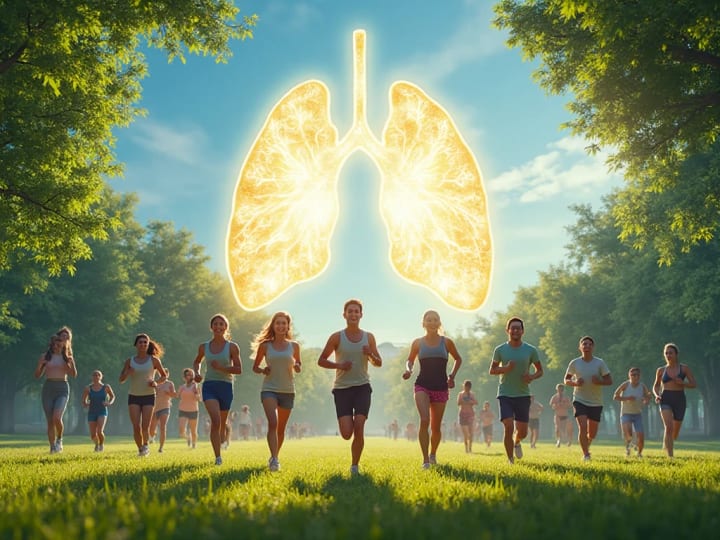
4. Exercise regularly. Activities such as walking, swimming, and yoga help strengthen lung capacity.
5. Pay attention to any persistent breathing difficulties and seek medical advice early.
Looking ahead
The rise of COPD among younger generations is not just a medical concern—it’s a societal issue that demands urgent attention. If current trends continue, millions of young people may face decades of struggling with a condition that was once considered a disease of old age.
By combining policy changes, stronger awareness campaigns, and personal responsibility, it is possible to slow this trend. Protecting lung health should start in childhood, but it is never too late to make changes. For young adults today, being mindful of lung health is an investment not just for the future but for the quality of life right now.
About the Creator
Kiruthigaran Mohan
art writing...
Keep reading
More stories from Kiruthigaran Mohan and writers in Lifehack and other communities.
Sleep Apnea on the Rise: Causes, Risks, and Treatments You Need to Know
Sleep is meant to be restorative and therapeutic. Our bodies wind down, our minds recycle, and our cells mend for the next day. But for millions of individuals on the planet, sleep is anything but restorative. One of the most rapidly developing sleep disorders—sleep apnea—is taking place silently and is now a significant public health issue. Based on estimates created by experts, sleep apnea instances will increase exponentially by the year 2050 because of lifestyle, age, and the increasing rate of obesity.
By Kiruthigaran Mohan6 months ago in Lifehack
How Sherman Lai Integrates Natural Therapies for Whole-Body Wellness
Many people have begun searching for natural methods to enhance their general health and well-being in recent years. Holistic healthcare concentrates on balancing the overall body rather than just treating symptoms. Because they promote long-term wellbeing, natural treatments including acupuncture, herbal medicine, and lifestyle counseling are growing in popularity. Sherman Lai, a practitioner renowned for this well-rounded approach, combines many natural healing techniques to assist people in achieving whole-body wellbeing.
By Sherman Lai Guelph6 days ago in Lifehack
Healthy Lifestyle Habits for Sustainable Weight Management
Living a healthy lifestyle has become a challenge for many people today. Modern routines often include long hours of sitting, irregular eating habits, fast food consumption, and limited physical activity. These habits can slowly affect the body and make it difficult to maintain a healthy weight.
By Backlinks Cart6 days ago in Lifehack


Comments
There are no comments for this story
Be the first to respond and start the conversation.