
Sleep Apnea on the Rise: Causes, Risks, and Treatments You Need to Know
A deep look at why sleep apnea is becoming more common, its hidden dangers, and how early detection and treatment can save lives.

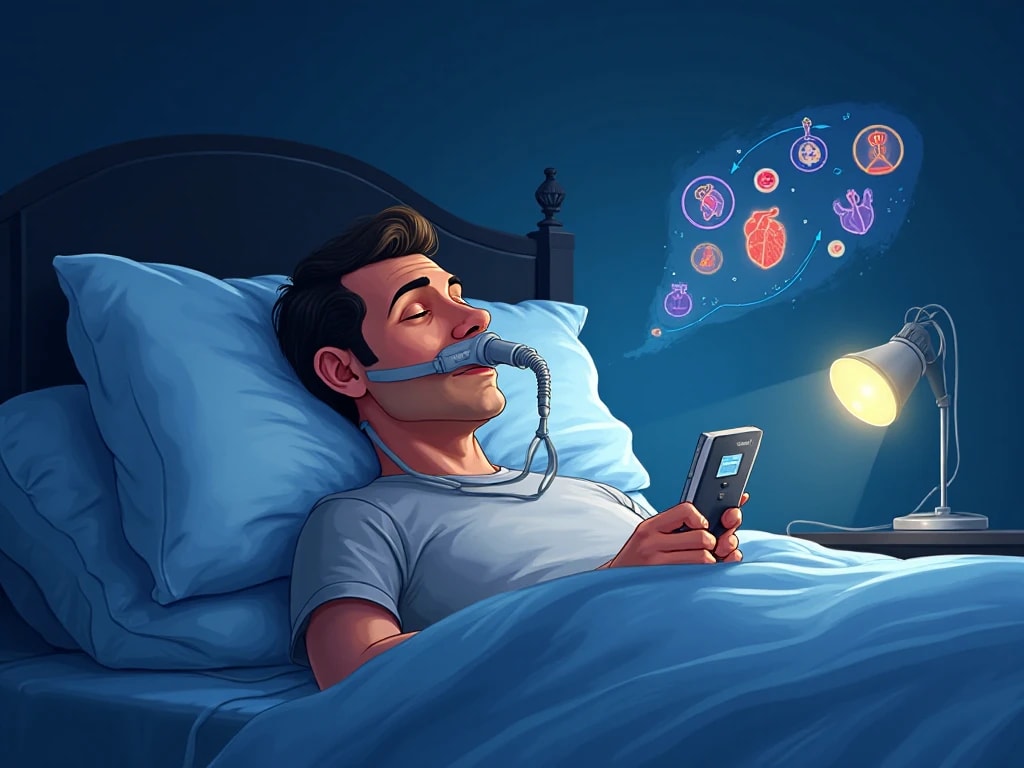
Sleep is meant to be restorative and therapeutic. Our bodies wind down, our minds recycle, and our cells mend for the next day. But for millions of individuals on the planet, sleep is anything but restorative. One of the most rapidly developing sleep disorders—sleep apnea—is taking place silently and is now a significant public health issue. Based on estimates created by experts, sleep apnea instances will increase exponentially by the year 2050 because of lifestyle, age, and the increasing rate of obesity.
The disorder is underestimated, yet it has serious life-altering consequences if left untreated. The more one understands what sleep apnea is, why it's increasing, and how one can manage it, the more individuals may learn about this silent killer.
What Is Sleep Apnea, Exactly?
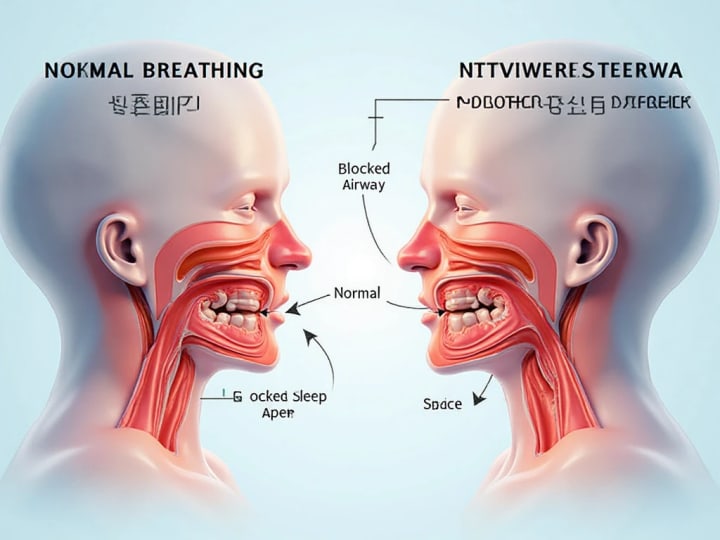
Sleep apnea is a sleep disorder where breathing is paused during sleep. The most common form is Obstructive Sleep Apnea (OSA), where the throat muscles relax at intervals and block the airway. More rare are Central Sleep Apnea, caused by the brain's inability to send the correct signals to the muscles that control breathing, and Complex Sleep Apnea, the combination of both.
The majority of patients with sleep apnea have:
Chronic loud snoring
Choking or gasping awake
Daytime sleepiness
Morning headaches
Difficulty concentrating
Irritability or mood swings
Because the symptoms happen mostly at night, an overwhelming majority of individuals aren't even aware they have the condition. Quite often, it's a bed partner or family member who becomes the first to notice.
Why Sleep Apnea Is on the Rise
Researchers are warning that the prevalence of sleep apnea is growing exponentially. Some of the reasons it's on the rise:
1. Obesity Epidemic
Obesity or overweight is the most potent risk factor for obstructive sleep apnea. Upper airway fat can be smothering. As obesity is increasing all over the world, it is no wonder that growing numbers of sleep apnea are being witnessed.
2. Aging Populations
Since there is improved life expectancy in the world, more and more individuals are coming to the age when sleep apnea is most prevalent. Muscle tone in the throat decreases gradually with age, and elderly individuals are vulnerable.
3. Unhealthy Diets and Physical Inactivity
Since there are more and more sedentary lifestyles with extended periods spent sitting, processed food, and no exercise, weight gain and compromised lung function are the result, both of which can trigger sleep apnea.
4. Underreported and Unscreened Cases
There are millions of people who have sleep apnea without knowing it. As there is more awareness and technology has improved, now it is being diagnosed more, and hence, there is an impression of epidemic.
5. Urbanization and Environmental Factors
Pollution, smoking, and allergens may worsen nighttime breathing problems. City dwellers are more susceptible due to these.
Sleep apnea is more than just snoring and tiredness—it can be life-threatening if not treated. Each pause in breathing lowers blood oxygen levels, putting incalculable strain on the cardiovascular system. Untreated sleep apnea, over time, can lead to:
High blood pressure
Heart disease and stroke
Type 2 diabetes
Kidney disease
Memory loss and dementia
Increased risk for accidents due to sleepiness
In fact, patients with severe sleep apnea are two and three times more likely to have a heart attack. The connection between poor sleep and overall health is becoming more apparent with each follow-up study.
The Unseen Social and Economic Burden
Other than the health of the patient, sleep apnea affects society as a whole. Patients with untreated and undiagnosed sleep apnea are not as productive, are more apt to make mistakes, and are more likely to experience work-related or traffic accidents. The healthcare system has to spend billions of dollars treating the comorbidities of this disease—heart disease, diabetes, depression—that can be avoided with early treatment.
This increasing economic weight is the reason sleep apnea is referred to as a "silent epidemic" by the majority of experts. It may not consistently make the news like cancer or diabetes, yet its consequences are equally severe.
How Sleep Apnea Is Diagnosed
The diagnostic criterion is a sleep study, or polysomnography. The test measures breathing patterns, oxygen levels, heart rate, and brain waves for an overnight period. Home sleep tests over the last few years have made diagnosis easier and less expensive, allowing more people to be tested.
Healthcare providers usually use the Apnea-Hypopnea Index (AHI) to determine the severity of sleep apnea, which counts the number of stopped or slowed breaths per hour. Mild, moderate, and severe cases require different levels of treatment.
Treatments Available
Fortunately, sleep apnea can be treated. Treatment differs based on the severity and cause:
1. Changing Your Lifestyle
Losing weight
Exercise daily
Avoiding alcohol and sedatives at night
Sleeping on your side instead of your back
2. CPAP Therapy
The most popular and effective treatment is the Continuous Positive Airway Pressure (CPAP) machine. It delivers a constant air pressure via a mask, which keeps the airway open at night.
3. Oral Appliances
Dentists can create mouthpieces to bring the jaw or tongue backward to improve airflow.
4. Surgery
Surgery may be used in resistant or severe cases to remove tissue, correct structural issues, or implant devices that stimulate airway muscles.
5. New Therapies
Newer devices such as nerve stimulators and personalized medicine are giving hope to those patients who cannot tolerate CPAP.

Prevention and Awareness
Prevention of all cases is not feasible, but minimization of risk factors goes a long way. Healthy weight, exercise, and early treatment of nasal congestion are vital. Public awareness is also important since many people still consider sleep apnea as "mere snoring."
Employers, educators, and healthcare professionals can all become information disseminators. The more people who are aware of the danger, the more of them will be inclined to take the test and be treated.
Looking Ahead
It has been estimated by experts that by the year 2050, the incidence of obstructive sleep apnea in adults in countries like the United States will nearly double. Not just a medical issue—this is a call to wake up for society. Spending on early identification, making treatment more widely available, and promoting healthy lifestyles can prevent millions of premature deaths and billions of dollars in health spending.
Sleep apnea may be concealed during the day, but its consequences are everywhere else—on cardiovascular health, intellectual function, and workplace safety. The time has arrived to take this new disease seriously and accord sleep the respect it is due as a powerful medicine.
About the Creator
Kiruthigaran Mohan
art writing...
Keep reading
More stories from Kiruthigaran Mohan and writers in Lifehack and other communities.
Smart AI-Enhanced Health and Wellness Tech: The Future of Healthy Living
Introduction: Where Technology and Health Meet Just a couple of decades back, to wear a watch meant to look at the clock. Today, it might inform you about your step count for the day, how well you slept, or even prompt you to drink some water. That's how far we've come. Technology, and Artificial Intelligence (AI) in specific, has stopped being about faster phones or brighter vehicles—it's taking over our bodies and homes, creepingly changing the manner in which we take care of ourselves.
By Kiruthigaran Mohan6 months ago in Lifehack
Mother’s Day Gift Ideas for Garden Lovers
Mother’s Day is just around the corner, and there’s no better way to celebrate one of the most important women in your life than by giving her the perfect present. Have you decided what to give her this year? If your mom loves gardening and finds peace among her plants, there are plenty of meaningful gift ideas that can perfectly match her passion.
By Andrew Lemieux5 days ago in Lifehack
How to Recover a TikTok Account: The Complete 2026 Guide for Hacked, Suspended, or Deleted Accounts
Losing access to your TikTok account can feel like losing a part of your digital identity. Whether you are a casual user with cherished memories or a creator who has spent years building a community, a sudden lockout is stressful. With over a billion active users, TikTok accounts are prime targets for hackers, and automated moderation systems can sometimes make mistakes.
By Alexander Hoffmann3 days ago in Lifehack




Comments
There are no comments for this story
Be the first to respond and start the conversation.