
Why Cancer Rates Are Soaring: What You Need to Know
Cancer Rate Rising in Millennials and Gen X: A Concerning Trend

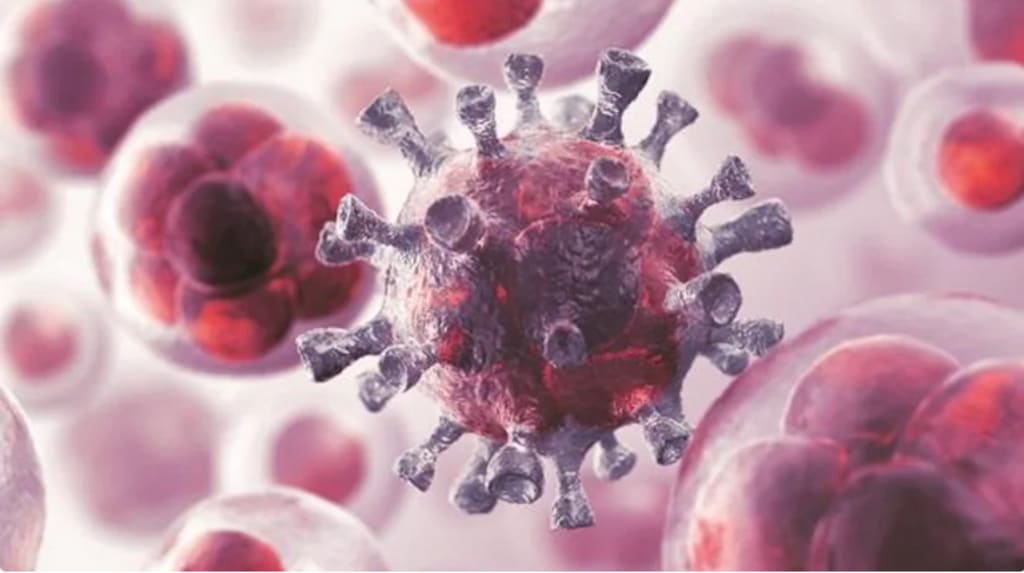
A new study has revealed a dramatic increase in cancer rates among millennials and Gen X-ers. Experts are particularly concerned about the rise in 17 types of cancer in these generations. According to research published in the journal Lancet Public Health, individuals born in 1990 face two to three times the cancer risk compared to those born in 1955. This trend extends beyond the already noted increase in colorectal cancer to include many other cancer types.
Key Findings of the Study
Researchers from the American Cancer Society (ACS) examined cancer rates among people born between 1920 and 1990. They analyzed data on diagnoses and deaths from 34 different cancers between 2000 and 2019. The study found that cancer rates have increased with each generation since 1920, particularly for the following cancers:
Pancreatic
Breast
Gastric
Gastric cardia (stomach lining)
Small intestine
Estrogen receptor-positive breast cancer
Ovarian
Liver and bile duct
Non-HPV-associated oral and pharynx (in women)
Anal (in men)
Kaposi sarcoma (in men)
Rates of some cancers, such as kidney, pancreatic, and small intestine cancers, have doubled or tripled. Liver cancer incidence in women has also seen a significant increase.
Rising Mortality Rates
Not only are more young people being diagnosed with these cancers, but mortality rates for certain cancers are also rising. Death rates have increased for colorectal, gallbladder, testicular, and uterine cancers. Additionally, liver cancer fatalities have risen among women. This increase in mortality indicates that the rise in cancer rates is not solely due to improved screening but reflects a genuine increase in risk.
Potential Causes: Obesity
While the study does not definitively identify the cause of this increase, experts suspect that rising obesity rates play a significant role. Obesity is linked to 10 of the 17 cancers that are becoming more common. Obesity-related changes in the body, such as chronic inflammation and altered insulin sensitivity, may contribute to cancer development.
Reducing Your Cancer Risk
Despite these alarming trends, there are steps you can take to reduce your cancer risk:
- Maintain a healthy weight: Obesity is a significant risk factor for many cancers.
- Exercise regularly: Physical activity helps manage weight and reduce cancer risk.
- Eat a balanced diet: Consume plant-based foods, and lean proteins like fish, and avoid ultra-processed foods and red meat.
- Limit alcohol intake: Excessive drinking is linked to higher cancer risk.
- Avoid smoking: Smoking is a major risk factor for various cancers.
- Monitor your health: Be aware of your family medical history and consult a healthcare provider if you notice any concerning symptoms.
What Are Some of The Common Symptoms of Cancer?
Common symptoms of cancer, particularly in younger individuals, include persistent fatigue, rectal bleeding, abdominal pain, altered bowel habits, and unexplained weight loss. These symptoms, while not exclusive to cancer, warrant medical attention if they persist or worsen over time. Early detection through regular screenings and awareness of family medical history can significantly improve treatment outcomes. Additionally, adopting a healthy lifestyle, such as maintaining a balanced diet, engaging in regular physical activity, avoiding smoking, and limiting alcohol consumption, can play a crucial role in reducing the risk of developing cancer. If any of these symptoms are observed, it's essential to consult with a healthcare provider for a thorough evaluation and appropriate diagnostic testing.
References:
- American Cancer Society. "New Study Finds Rising Cancer Rates Among Millennials and Gen X-ers."
- Lancet Public Health. "Cancer Incidence and Mortality Trends: A Generational Analysis."
Conclusion and Recommendation
By staying informed and making healthy lifestyle choices, you can help reduce your risk of developing cancer.
Thank you for reading, and we hope you continue to seek valuable health information from us in the future.
About the Creator
Ebrima Jobe
Hello, I am thrilled to introduce myself. With a passion for writing articles and scripts, I have dedicated myself to honing my skills and expanding my knowledge in this area. I am excited collaborate with the talented professionals here.
Keep reading
More stories from Ebrima Jobe and writers in Lifehack and other communities.
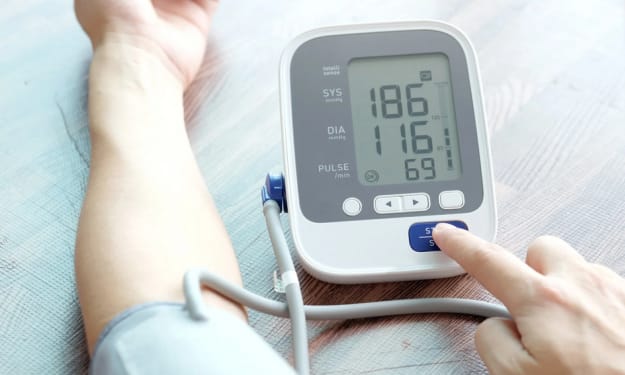
Understanding High Blood Pressure
Blood pressure is a critical health indicator often checked during healthcare visits. It's essential to understand its importance because High blood pressure, or hypertension, is also known as a "silent killer." If left untreated, it can increase the risk of stroke, heart attack, kidney failure, and aneurysms. This article will explain blood pressure, the ideal numbers, how to measure it, and ways to maintain healthy levels. Discover how maintaining healthy blood pressure can transform your life, prevent serious health issues, and enhance your overall well-being—read on to learn essential tips and insights!
By Ebrima Jobe2 years ago in Lifehack
The Long Way Home
Rayan always believed that time was something to control. He planned his days carefully, hated delays, and felt uncomfortable when things did not go as expected. For him, reaching the destination mattered more than the journey itself. If something slowed him down, it felt like a personal failure.
By Sudais Zakwana day ago in Lifehack
If We Want Our Children to Move Ahead in Life
1. The Day Everything Changed The issue of health of children did not bother me before I had a little one of my own. I used to think health was just about food, school, and keeping them away from screens. It seemed so simple.
By Hazrat Umera day ago in Lifehack



Comments (1)
Thanks for the info