
Understanding High Blood Pressure
How To Lower and Maintained High Blood Pressure

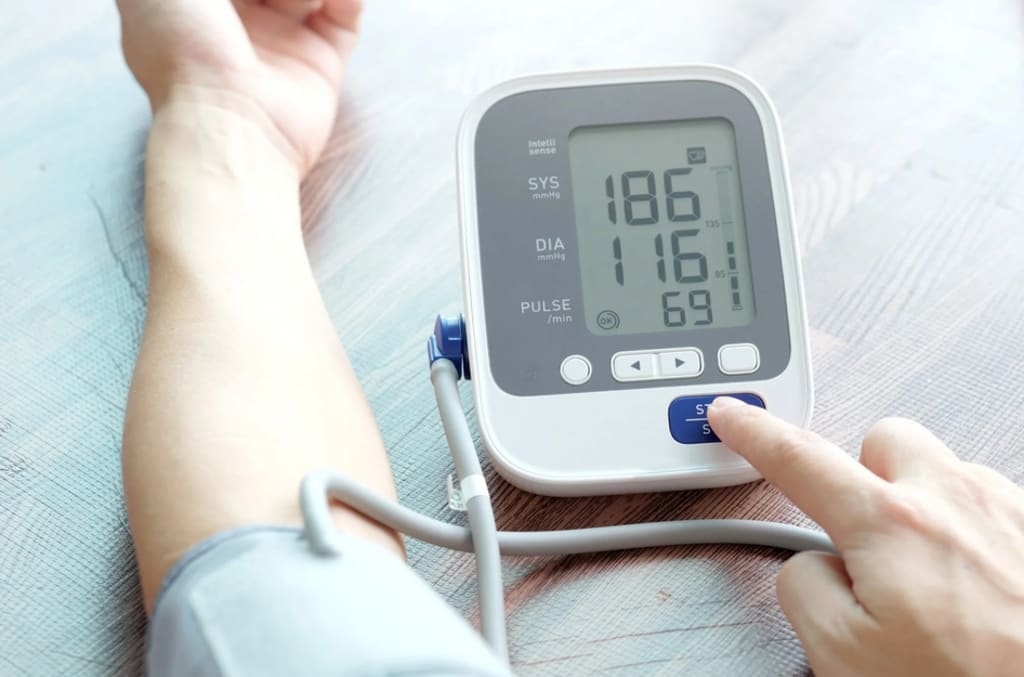
Blood pressure is a critical health indicator often checked during healthcare visits. It's essential to understand its importance because High blood pressure, or hypertension, is also known as a "silent killer." If left untreated, it can increase the risk of stroke, heart attack, kidney failure, and aneurysms. This article will explain blood pressure, the ideal numbers, how to measure it, and ways to maintain healthy levels. Discover how maintaining healthy blood pressure can transform your life, prevent serious health issues, and enhance your overall well-being—read on to learn essential tips and insights!
What is Blood Pressure?
Blood pressure is the force of blood pushing against the walls of your arteries as the heart pumps blood throughout your body. It is measured in millimeters of mercury (mmHg) and recorded with two numbers:
· Systolic Pressure: The top number, representing the pressure in your arteries when your heart beats.
· Diastolic Pressure: The bottom number, represents the pressure in your arteries when your heart rests between beats.
Ideal Blood Pressure Numbers
- Normal: Systolic less than 120 and diastolic less than 80
- Elevated: Systolic 120-129 and diastolic less than 80
- Stage 1 Hypertension: Systolic 130-139 or diastolic 80-89
- Stage 2 Hypertension: Systolic 140 and above or diastolic 90 and above
Measuring Blood Pressure Correctly
To get accurate blood pressure readings, follow these steps:
- Relax in a chair with feet on the floor and back supported for at least 5 minutes.
- Avoid caffeine, exercise, and smoking for at least 30 minutes before measuring.
- Ensure the bladder is empty.
- Do not talk during the rest period or measurement.
- Support the arm at heart level.
Why Blood Pressure Matters
High blood pressure can cause serious health issues because it damages blood vessels and organs over time. It's called the "silent killer" because it often has no symptoms until it's severe. Untreated hypertension can lead to:
· Heart Failure: Overworking the heart can weaken it over time.
· Blood Vessel Damage: High pressure can damage the inner lining, leading to plaque buildup and potential heart attacks or strokes.
· Kidney Disease: High blood pressure can damage the small blood vessels in the kidneys.
· Aneurysms: An abnormal bulge in an artery, which can burst and cause a hemorrhagic stroke if it occurs in the brain.
Maintaining Healthy Blood Pressure
Lifestyle Changes
· Exercise Regularly: Both aerobic and resistance training can help lower blood pressure.
· Healthy Diet: The DASH diet (Dietary Approaches to Stop Hypertension) is beneficial. It includes vegetables, fruits, low-fat dairy, whole grains, poultry, fish, and nuts while low in sweets, sugary beverages, and red meats.
· Reduce Sodium Intake: Lowering sodium can decrease blood pressure.
· Maintain a Healthy Weight: Weight loss can significantly reduce blood pressure.
· Limit Alcohol: Men should consume no more than two drinks per day, and women no more than one.
Possible Symptoms
High blood pressure is often called the "silent killer" because it typically has no symptoms until it has caused significant health problems. However, when symptoms do occur, they may include:
1. Headaches: Particularly in the morning.
2. Shortness of Breath: Experiencing difficulty in breathing.
3. Nosebleeds: Uncommon but may occur if blood pressure is extremely high.
4. Flushed Face: A red or flushed appearance of the face.
5. Dizziness: Feeling lightheaded or unsteady.
6. Chest Pain: A tight or painful sensation in the chest area.
7. Visual Changes: Blurred or double vision.
8. Blood in Urine: This may indicate kidney problems associated with high blood pressure.
It's important to note that these symptoms can also be related to other health issues, so it's crucial to regularly monitor your blood pressure and consult a healthcare provider for an accurate diagnosis and appropriate management.
For more detailed information, you can refer to the following sources:
• American Heart Association
• Mayo Clinic
• WebMD
These sources provide comprehensive insights into hypertension, its symptoms, and management strategies.
When to Use Medication
Sometimes lifestyle changes aren't enough due to factors like age and genetics. In such cases, medication may be necessary to manage hypertension effectively.
Conclusion
Blood pressure is a vital health metric that needs regular monitoring and management. Understanding its importance and maintaining healthy levels can prevent serious health issues. For more detailed information, consult reliable medical sources or discuss with your healthcare provider.
Thank you for taking the time to read my article! I look forward to sharing valuable insights and practical tips with you in future articles. Stay tuned for more!
About the Creator
Ebrima Jobe
Hello, I am thrilled to introduce myself. With a passion for writing articles and scripts, I have dedicated myself to honing my skills and expanding my knowledge in this area. I am excited collaborate with the talented professionals here.
Keep reading
More stories from Ebrima Jobe and writers in Lifehack and other communities.
Why Cancer Rates Are Soaring: What You Need to Know
A new study has revealed a dramatic increase in cancer rates among millennials and Gen X-ers. Experts are particularly concerned about the rise in 17 types of cancer in these generations. According to research published in the journal Lancet Public Health, individuals born in 1990 face two to three times the cancer risk compared to those born in 1955. This trend extends beyond the already noted increase in colorectal cancer to include many other cancer types.
By Ebrima Jobe2 years ago in Lifehack
A Suburban Pattern of Change: Understanding Why People Move in Schaumburg, Illinois
Schaumburg, Illinois, is often described as a place of consistency. Located in the northwest suburbs of Chicago, it is known for its structured neighborhoods, accessible amenities, and steady pace of life. Yet beneath this sense of stability lies a constant pattern of movement. People move in Schaumburg not because of urgency or instability, but because relocation has become a natural response to changing life stages.
By House Doctora day ago in Lifehack



Comments (1)
Well detailed