
What is the Best Vitamin to Improve Eyesight?
Let’s face it – we all want to see the world as clearly as possible.

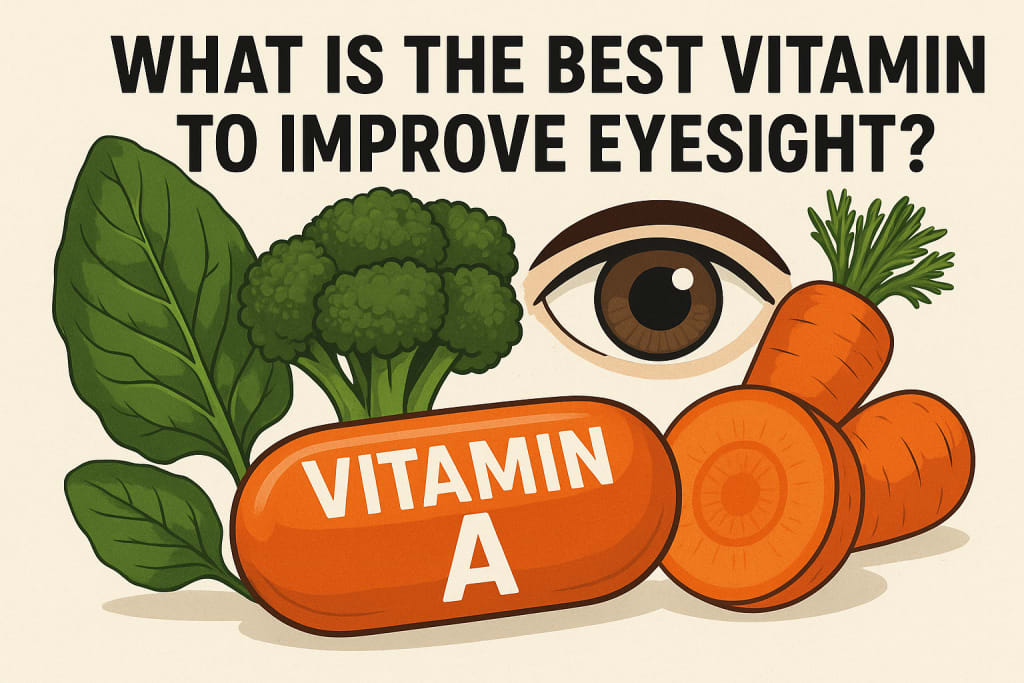
Let’s face it – we all want to see the world as clearly as possible. Whether it’s reading your favorite book, catching up on your favorite TV show, or simply enjoying a sunset, good eyesight can make all the difference. But as we go through life, age, and sometimes poor lifestyle choices, our vision can begin to deteriorate. That’s where vitamins come in.
The world of vitamins can be a bit overwhelming, especially when it comes to understanding which ones are most beneficial for eye health. So, let’s break it down together: What is the best vitamin to improve eyesight?
In this article, we’re going to explore the vitamins that are most effective for maintaining healthy eyes, how they work, and how you can easily incorporate them into your daily life. We’ll also share practical, relatable advice on how to give your eyes the care they deserve.
The Story Behind Our Eyes and Their Health
Before we dive into the vitamins, let’s first take a step back and appreciate the incredible work our eyes do. Your eyes are constantly processing light, helping you interpret your surroundings, and allowing you to connect with the world. It’s easy to take your vision for granted, but the truth is, your eyes are fragile and need care to stay strong.
From the glare of your computer screen to the strain of late-night reading, your eyes face many challenges daily. What can you do to protect them? Turns out, one of the most powerful tools is a nutrient-rich diet – specifically, certain vitamins that directly support eye health.
The Best Vitamins for Eye Health
So, what are these miracle workers? Let's take a look at the top vitamins that can improve and maintain your eyesight.
1. Vitamin A: The King of Eye Health
When you think of improving eyesight, Vitamin A is likely the first vitamin that comes to mind, and for good reason. Vitamin A plays a critical role in maintaining the health of your eyes, particularly the retina, which is responsible for converting light into signals sent to the brain. Without adequate Vitamin A, your vision could deteriorate, leading to night blindness and, in severe cases, even permanent damage to your vision.
You’ve probably heard that eating carrots can help you see better – and this is true! Carrots are rich in beta-carotene, a precursor to Vitamin A. This means your body can convert beta-carotene into Vitamin A, which helps maintain your vision, especially in low-light conditions.
Real-World Scenario:
When I was younger, I remember my mom always insisting I eat my carrots, especially before heading out for night games. Little did I know, it wasn’t just an old wives’ tale. Beta-carotene helps with our ability to adjust to low-light environments. As someone who loves late-night strolls, I now make sure my diet includes Vitamin A-rich foods like sweet potatoes, spinach, and, yes, carrots.
Where to Find Vitamin A:
- Carrots
- Sweet potatoes
- Kale
- Spinach
- Eggs
- Red bell peppers
2. Vitamin C: The Eye Protector
If you’ve ever battled a cold, you know that Vitamin C can work wonders. But did you know that Vitamin C also plays an essential role in protecting your eyes? This vitamin is an antioxidant that helps protect your eyes from oxidative stress, which can lead to cataracts and age-related macular degeneration (AMD).
Vitamin C is particularly important for the health of the blood vessels in the eyes, and it also helps produce collagen, which is essential for the structural integrity of your eyes.
Real-World Scenario:
A few years ago, I was experiencing some eye discomfort and realized that I wasn’t eating enough fresh fruits and veggies. I started incorporating more citrus fruits, strawberries, and bell peppers into my meals, and I noticed that my eyes felt less fatigued after long hours of reading or working on the computer.
Where to Find Vitamin C:
Oranges and other citrus fruits
- Strawberries
- Bell peppers
- Broccoli
- Kiwi
- Tomatoes
3. Vitamin E: The Antioxidant Shield
While Vitamin C works wonders on protecting your eyes from oxidative stress, Vitamin E is a powerful antioxidant that helps protect your eyes from damage caused by free radicals. This is especially important as we age, as our eyes become more vulnerable to oxidative damage.
One of the main functions of Vitamin E in eye health is its ability to reduce the risk of cataracts. It also works with Vitamin C to help regenerate the body’s ability to repair damage caused by free radicals.
Real-World Scenario:
I’ve always had a soft spot for nuts, and now I know why – they’re an excellent source of Vitamin E. I often snack on almonds or add a handful of walnuts to my salads, and I can feel the difference in my overall energy and eye health. As I’ve gotten older, these small but significant habits have become a regular part of my routine.
Where to Find Vitamin E:
- Almonds
- Sunflower seeds
- Spinach
- Avocados
- Peanuts
4. Lutein and Zeaxanthin: The Eye Defenders
You might not have heard of Lutein and Zeaxanthin, but these are some of the most important nutrients when it comes to eye health. They are antioxidants that are found in high concentrations in the macula, the part of your retina responsible for sharp, central vision. These antioxidants help protect the eyes from harmful light, particularly blue light from screens.
Real-World Scenario:
I’ve been spending more time on my laptop and smartphone recently, and I noticed some strain. After researching, I found out that Lutein and Zeaxanthin can help with this kind of eye fatigue. I started incorporating more leafy greens and eggs into my diet and found that my eyes felt more refreshed after long periods of screen time.
Where to Find Lutein and Zeaxanthin:
- Spinach
- Kale
- Corn
- Eggs
- Broccoli
5. Omega-3 Fatty Acids: The Moisture Makers
If you suffer from dry eyes or irritation, Omega-3 fatty acids might just be the solution. These healthy fats help to keep the eyes lubricated and can prevent or alleviate the symptoms of dry eye syndrome. Omega-3s are also important for maintaining the structural integrity of your retina.
Real-World Scenario:
I used to experience dry eyes after long hours in front of the computer, and it was uncomfortable. After adding more Omega-3-rich foods, like salmon and chia seeds, into my diet, I noticed a significant improvement in the moisture levels of my eyes. I no longer deal with the constant dryness or irritation that used to be a problem.
Where to Find Omega-3 Fatty Acids:
- Fatty fish (salmon, mackerel, sardines)
- Chia seeds
- Walnuts
- Flaxseeds
- Hemp seeds
How to Incorporate These Vitamins Into Your Daily Routine
Now that you know what vitamins are essential for improving and maintaining eyesight, the next step is to find easy ways to incorporate them into your daily routine.
Start Your Day with a Smoothie: A smoothie can be an easy and delicious way to pack in a variety of eye-healthy nutrients. Toss in some spinach, berries, flaxseeds, and a handful of citrus fruits like oranges or kiwis.
Snack on Nuts: Almonds, walnuts, and sunflower seeds are great sources of Vitamin E and Omega-3s. Keep a small container of mixed nuts in your bag for a healthy snack that supports eye health.
Cook with Healthy Fats: Use olive oil or avocado oil in your cooking for an extra dose of Omega-3s and Vitamin E. You can also add avocado slices to your salads for a tasty boost.
Include More Colorful Veggies: Leafy greens, peppers, and carrots are not only great for eye health but also add color and flavor to your meals. Try roasted veggies or sautéed greens as a side dish.
Drink Water and Eat Hydrating Foods: Don’t forget to hydrate. Water-rich fruits like watermelon and cucumbers help keep your eyes hydrated and refreshed.
Conclusion: The Road to Healthier Eyes Starts with You
There’s no magic pill that can instantly improve your eyesight, but with a combination of the right nutrients and a few healthy habits, you can protect your eyes and improve their function over time. From the powerful benefits of Vitamin A to the antioxidant-rich Lutein and Omega-3s, these nutrients play a key role in maintaining optimal eye health.
So, what’s the best vitamin to improve eyesight? It’s not just one, but a combination of several essential vitamins that work together to protect, nourish, and strengthen your eyes. By making a few simple changes to your diet and lifestyle, you can help ensure that your vision stays clear for years to come.
Actionable Takeaways:
- Eat foods rich in Vitamin A, such as carrots, sweet potatoes, and spinach.
- Add more Vitamin C to your diet with citrus fruits, strawberries, and bell peppers.
- Include Vitamin E in your meals through nuts, seeds, and avocados.
- Increase your intake of Lutein and Zeaxanthin from leafy greens, eggs, and corn.
- Consume Omega-3 fatty acids from fish, chia seeds, and walnuts to keep your eyes moist and healthy.
- Remember, small changes can make a big difference. Take care of your eyes today, and they’ll take care of you tomorrow!
About the Creator
Health Zone
Discover expert wellness tips, natural remedies, & nutrition hacks for busy lives. Science-backed advice for healthy living, glowing skin, & mindful habits. Join Health Zone—your shortcut to holistic vitality! 🌿
Keep reading
More stories from Health Zone and writers in Lifehack and other communities.
Beyond the Blur: Simple Shifts for Eyes That Feel Alive
Let’s be honest. When was the last time you really thought about your eyes? Not just when they sting after a long day staring at screens, or when you’re desperately squinting to read the tiny menu font in that dimly lit restaurant. Our eyes are our constant companions, our windows to the world, yet we often treat them like background noise – until something feels off.
By Health Zone6 months ago in Lifehack
How to Buy a SIM Card in Nepal for Tourists
Staying connected while traveling in Nepal is not a luxury—it’s a travel essential. 📱 From finding hotels and using Google Maps to calling drivers, guides, or emergency services, a local SIM card in Nepal makes your trip safer, smoother, and stress-free.
By Prabesh Tamang6 days ago in Lifehack


Comments
There are no comments for this story
Be the first to respond and start the conversation.