
Beyond the Blur: Simple Shifts for Eyes That Feel Alive
(and Actually See Clearly)

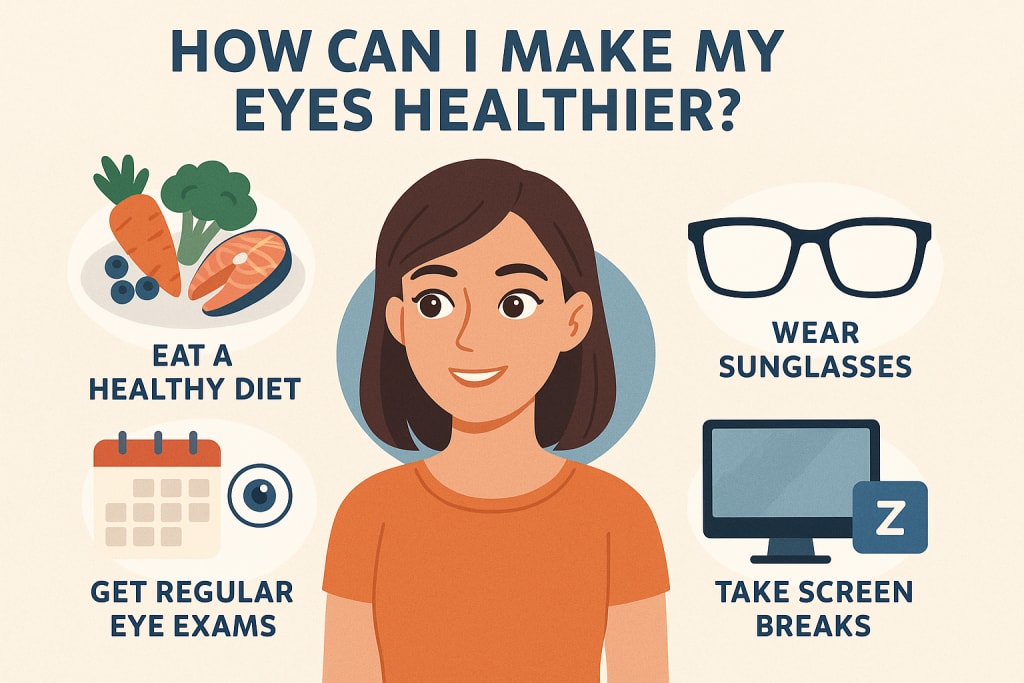
Let’s be honest. When was the last time you really thought about your eyes? Not just when they sting after a long day staring at screens, or when you’re desperately squinting to read the tiny menu font in that dimly lit restaurant. Our eyes are our constant companions, our windows to the world, yet we often treat them like background noise – until something feels off.
I remember a few years ago, hitting my mid-thirties, and suddenly, my eyes felt… different. Not painful, exactly, but tired. Weary. Like they’d run a marathon by lunchtime. Reading became a chore, screens felt aggressive, and driving at night? Forget about it. That subtle, persistent fatigue was my wake-up call. It forced me to ask, genuinely: How can I make my eyes healthier? Not just for clearer sight tomorrow, but for vibrant vision decades down the line.
Turns out, eye health isn't some mystical secret guarded by optometrists. It's woven into the fabric of our everyday lives. It’s about the small choices, the habits we barely notice, and yes, sometimes breaking the ones we love (I’m looking at you, endless Instagram scroll before bed!).
Feeding Your Windows: It’s More Than Carrots (Though They Help!)
Remember being told as a kid that carrots make you see in the dark? There’s a kernel of truth there, but the story is much richer. Our eyes are complex organs, constantly exposed to light and environmental stress. They need specific nutrients to repair, protect, and function optimally.
The Colorful Plate = Happy Eyes: Think dark, leafy greens like spinach and kale – packed with lutein and zeaxanthin. These amazing pigments act like internal sunglasses, absorbing harmful blue light and protecting the delicate center of your retina (the macula). Berries bursting with vitamin C? Fantastic for the blood vessels nourishing your eyes. Fatty fish like salmon, rich in omega-3s (DHA specifically)? Crucial for the oily layer of your tears that keeps them from evaporating too fast. Nuts and seeds loaded with vitamin E? Powerful antioxidants fighting age-related damage. It’s not about a single superfood; it’s about creating a rainbow on your plate consistently. My lunchtime salad game seriously leveled up once I realized I wasn’t just feeding my body, I was fueling my sight.
Hydration Station: Dehydration doesn’t just give you a headache; it dries out your eyes. That scratchy, gritty feeling? Often a sign you need more water. I started carrying a reusable bottle everywhere, aiming for consistent sips throughout the day, not just gulping when parched. My eyes felt noticeably less irritated within a week.
Beyond the Glass: While water is king, green tea offers extra antioxidant perks. Conversely, excessive caffeine and alcohol can be dehydrating. Moderation is key. Pay attention to how your eyes feel after that third coffee or second glass of wine.
The Screen Time Tightrope: Finding Balance in a Digital World
Let's face it: screens aren't going anywhere. Our work, our social lives, our entertainment – it’s all there. But our eyes weren't designed for 12+ hours a day of close-up, high-contrast, blue-light-emitting rectangles. The strain is real. So, how can I make my eyes healthier while still living in the 21st century?
The Magic of 20-20-20: This simple rule is a game-changer. Every 20 minutes, look at something at least 20 feet away for at least 20 seconds. Seriously, set a timer if you have to. It forces your focusing muscles (which are working overtime up close) to relax. I stick a small sticky note on my monitor as a reminder. Those mini-breaks add up, reducing that end-of-day eye exhaustion significantly.
Blink, For Goodness Sake!: Sounds silly, right? But when we stare intently at screens, our blink rate plummets – sometimes by half! Incomplete blinking means tears don't spread properly, leading to dryness and irritation. Make a conscious effort to blink fully and frequently. I even practiced "forced blinking" sessions every hour – ten slow, deliberate blinks – to retrain myself.
Position Matters: Hold reading material or your phone further away than you think (ideally 16-18 inches). Position your monitor slightly below eye level (about an arm's length away), so you're looking slightly down. This puts less strain on your neck and encourages more complete blinking. Good posture isn't just for your back; it's for your eyes too.
Tame the Glare: Overhead fluorescent lights bouncing off your screen? Sunlight streaming in the window? Glare forces your eyes to work harder. Adjust your monitor brightness to match the room light (not brighter!), use an anti-glare screen protector, and position your desk perpendicular to windows. Dimming harsh overhead lights and using a softer desk lamp made a huge difference for me.
Blue Light: Friend or Foe?: The science on blue light blocking glasses is still evolving. While excessive blue light exposure late at night can disrupt sleep, there's less conclusive evidence it causes permanent eye damage. However, many people (myself included) find wearing them reduces digital eye strain and headaches. Consider them a tool, especially for evening screen use. Many devices also have built-in "night shift" or blue light filter settings – use them after sunset!
Your Environment: The Unseen Eye Irritants
What surrounds us impacts our eyes constantly, often without us realizing.
Sun Savvy is Eye Savvy: Sunglasses aren't just a fashion accessory; they're essential protective gear. UV radiation from the sun contributes significantly to cataracts and macular degeneration over time. Always wear quality sunglasses that block 100% of UVA and UVB rays when outdoors – even on cloudy days (UV penetrates clouds!). Think of it as sunscreen for your eyes. Wide-brimmed hats add extra protection. I keep spare sunglasses in my car and bag so I'm never caught without them.
Clear the Air: Smoke (cigarette or campfire) is brutal on eyes, causing irritation and increasing the risk of diseases. Air pollution and indoor allergens like dust and pet dander can also trigger dry, itchy eyes. Use air purifiers at home, keep surfaces dusted, and change HVAC filters regularly. If allergies plague you, talk to your doctor about appropriate eye drops (avoid "get the red out" drops long-term; they can cause rebound redness).
Humidity Helpers: Dry indoor air, especially from heating and air conditioning, is a major culprit for dry eyes. Consider a humidifier, particularly in your bedroom while you sleep. Just remember to clean it regularly to prevent mold.
Listen to the Whispers: Proactive Care is Key
Our bodies are amazing at sending signals. Don't ignore the subtle ones from your eyes.
Dryness & Discomfort: That gritty, burning, or tired feeling? It's your eyes begging for moisture. Preservative-free artificial tears are your best friend. Keep them handy (desk, purse, bedside) and use them before your eyes feel like sandpaper. If dryness is persistent, see your eye doctor – there could be underlying causes or better treatments.
Regular Checkups: Non-Negotiable: This is perhaps the most crucial step in answering how can I make my eyes healthier? You wouldn't skip your annual physical, right? Eye exams are just as vital, even if your vision seems "fine." They can detect silent thieves of sight like glaucoma or early signs of macular degeneration long before you notice symptoms. They can also catch changes in prescription that are straining your eyes unnecessarily. Aim for a comprehensive dilated eye exam as often as your eye doctor recommends (usually every 1-2 years, more frequently if you have risk factors like diabetes or a family history of eye disease). Finding a good optometrist or ophthalmologist you trust makes this feel less like a chore and more like essential self-care.
Contact Lens Love: If you wear contacts, strict hygiene is non-negotiable. Wash your hands thoroughly before handling them, follow the replacement schedule exactly, never sleep in them unless specifically approved, and use only fresh solution (never top off old solution!). Sleeping in contacts or poor hygiene is a fast track to serious infections. Give your eyes a break with glasses whenever possible.
Small Shifts, Big Vision: Your Action Plan
Making your eyes healthier isn't about drastic overhauls; it's about weaving smarter choices into your daily rhythm. It's about awareness and consistent, gentle care.
Hydrate Consistently: Sip water throughout the day. Your eyes (and whole body) will thank you.
Eat the Rainbow: Load up on leafy greens, colorful veggies, fatty fish, and nuts. Make eye nutrition delicious.
Master the 20-20-20 Rule: Build it into your screen time. Set reminders if needed.
Blink Mindfully: Make full, frequent blinking a conscious habit, especially at screens.
Shield from the Sun: Wear quality UV-blocking sunglasses every single time you step outside.
Combat Dry Air: Use a humidifier, especially while sleeping, and reach for preservative-free artificial tears.
Book That Eye Exam: Don't wait for problems. Schedule your comprehensive dilated exam today. It’s the cornerstone of proactive eye health.
Listen to Your Eyes: If they feel tired, dry, or uncomfortable, take a break, blink, use drops, or step away from the screen. Don't push through the strain.
The Final Focus
Our eyes carry us through every experience – the breathtaking sunset, the smile of a loved one, the words on a page, the road ahead. They deserve more than being taken for granted until they protest. Asking "how can I make my eyes healthier?" is the first, powerful step. It’s an investment not just in clearer vision today, but in preserving the vibrant, detailed world you see for all your tomorrows.
It’s about choosing the salad over the fries sometimes, remembering those sunglasses, blinking like you mean it, and making that eye doctor appointment you’ve been putting off. Start small. Pick one thing from this list that resonates and commit to it this week. Your future self, gazing out at a clear, bright world, will be incredibly grateful you did. What small shift will you make today for the eyes that show you everything?
About the Creator
Health Zone
Discover expert wellness tips, natural remedies, & nutrition hacks for busy lives. Science-backed advice for healthy living, glowing skin, & mindful habits. Join Health Zone—your shortcut to holistic vitality! 🌿
Keep reading
More stories from Health Zone and writers in Lifehack and other communities.
How Can I Make My Eyes Healthier?
We all know the feeling – long hours spent in front of screens, the late-night scroll through social media, and the occasional headache that follows. Our eyes, the unsung heroes of our daily routine, bear the brunt of it all. They’re constantly working hard, whether we’re reading, driving, or simply taking in the beauty around us. But how often do we stop and think about their health? We’re so busy looking at the world that we forget to care for the very windows through which we see it.
By Health Zone6 months ago in Lifehack
Absolutely 100% Free Stuff With No Shipping Costs
In a world where everything seems to come with a price tag—including “free” offers that sneak in unexpected shipping fees—it can feel impossible to get truly free items. But with the right strategies, resources, and platforms, it is completely possible to score legitimate, 100% free stuff with no shipping costs or hidden charges. Whether you're looking to save money, reduce waste, or simply love the thrill of discovering freebies, this guide will walk you through the best ways to find authentic no-cost items online and in your local community.
By Master Binz4 days ago in Lifehack
Complete Guide to Wi-Fi Password Recovery & Protection
Understanding Wi-Fi Security Forgetting your Wi-Fi password is a common frustration in our connected world. This comprehensive guide explores legitimate methods to recover lost Wi-Fi credentials while emphasizing network security best practices. Whether you're a homeowner locked out of your network or an IT professional assisting users, this article provides ethical solutions while reinforcing the importance of protecting wireless networks from unauthorized access.
By Alexander Hoffmann2 days ago in Lifehack


Comments
There are no comments for this story
Be the first to respond and start the conversation.