
The Small Change That Makes Long Workdays Feel Less Painful
Why the way you hold your mouse might be quietly shaping your comfort, focus, and productivity.
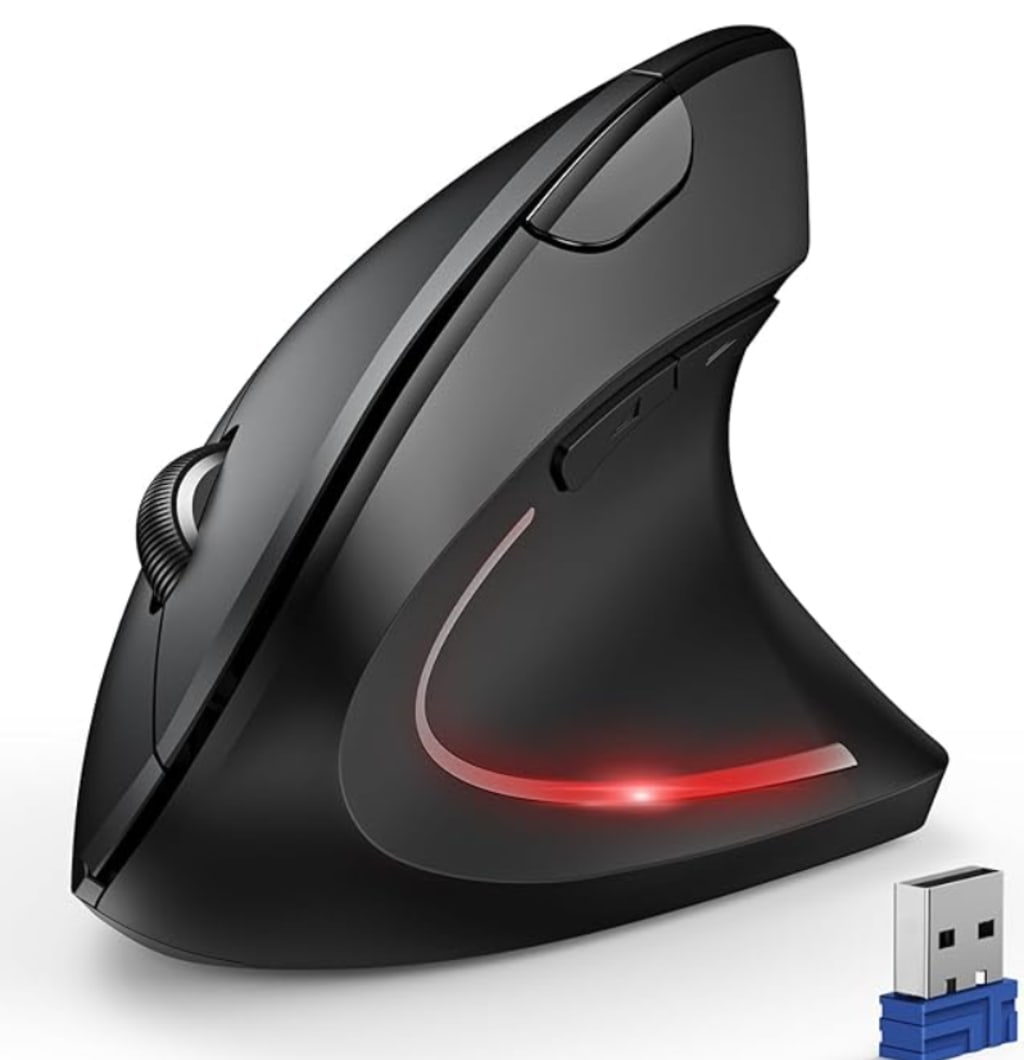
Why the way you hold your mouse might be quietly shaping your comfort, focus, and productivity.
Most people don’t think about their mouse.
It’s just there. You grab it, move it, click it, repeat.
Day after day.
Hour after hour.
Until one day, your wrist feels stiff.
Your fingers feel tense.
Your forearm feels tired in a way sleep doesn’t fix.
You assume it’s normal.
It’s not.
The truth is simple but rarely discussed:
Traditional mice were never designed for long, modern workdays.
They were designed for short interactions, not eight-hour marathons of clicking, scrolling, dragging, and typing.
That’s where the ergonomic vertical mouse enters quietly, without drama, but with surprising impact.
The Invisible Strain of Traditional Mice
When you use a standard mouse, your hand twists unnaturally.
Your wrist rotates inward.
Your forearm muscles stay tense.
You don’t feel it immediately.
But over time, that unnatural position accumulates stress.
This is why many professionals experience:
Wrist discomfort
Finger fatigue
Forearm tension
Reduced comfort during long sessions
In IT, remote work, and digital environments, the mouse is not a minor tool.
It’s one of the most used devices in your daily workflow.
Yet most people never question whether it actually fits the human hand.
What Makes a Vertical Mouse Different?
A vertical mouse changes the angle of your hand.
Instead of forcing your wrist to twist flat, it allows your hand to rest in a more natural, handshake-like position.
This subtle shift changes everything.
Suddenly:
Your wrist feels less strained.
Your grip feels more relaxed.
Your movements feel smoother.
Long hours feel less aggressive on your body.
The difference is not dramatic at first.
It’s gentle.
But after a few days, going back to a traditional mouse feels strangely uncomfortable.
That’s when you realize how much tension you were carrying without noticing.
Comfort Is Not a Luxury. It’s a Performance Tool.
In modern work culture, productivity is often associated with speed and output.
But comfort plays a deeper role than most people admit.
When your body feels strained, your mind becomes impatient.
When your hand feels tense, your focus breaks faster.
A vertical mouse doesn’t just improve comfort.
It changes how long you can stay focused without feeling drained.
For professionals who spend hours coding, designing, writing, analysing, or managing digital systems, this matters.
It’s not about being fancy.
It’s about being sustainable.
Why More Professionals Are Switching
Vertical mice are no longer niche gadgets.
They’re becoming standard tools in thoughtful workspaces.
The reasons are simple:
They support a more natural hand posture.
They reduce repetitive strain over time.
They fit modern workflows that demand long screen hours.
They feel intuitive after a short adjustment period.
Most importantly, they send a message:
Your workspace should adapt to your body, not the other way around.
That mindset shift is powerful.
The Psychology of Subtle Upgrades
People often chase productivity through big changes: new laptops, new apps, new systems.
But sometimes, the most effective upgrades are small.
A vertical mouse doesn’t scream innovation.
It whispers comfort.
And that whisper changes how you experience your entire workday.
When your hand feels relaxed, your thinking feels lighter.
When your movements feel natural, your attention lasts longer.
It’s not magic.
It’s ergonomics meeting reality.
Final Reflection
Most people wait until discomfort becomes pain before they change their tools.
But the smartest upgrades happen before the problem becomes loud.
A vertical mouse is not just a gadget.
It’s a quiet redesign of how your hand interacts with technology.
In a world where work happens through screens and clicks, that redesign is more important than it looks.
Sometimes, the smallest change is the one your body has been waiting for.
About the Creator
Keep reading
More stories from Bahati Mulishi and writers in Lifehack and other communities.
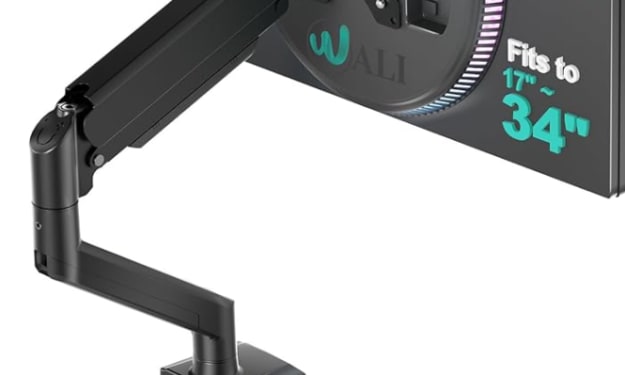
Why an Adjustable Monitor Arm Is One of the Smartest Upgrades for a Remote Workspace
Why an Adjustable Monitor Arm Is One of the Smartest Upgrades for a Remote Workspace Remote work has changed how we think about productivity, comfort, and long-term health. What started as a temporary solution for many people has now become a permanent way of working. As a result, the importance of a well-designed home office is no longer optional — it’s essential.
By Bahati Mulishi2 days ago in Lifehack
Packing a Life in Killeen
In Killeen, Texas, packing a home is rarely just about belongings. It is about moments, routines, and identities that have taken shape within a limited span of time. The city’s connection to Fort Cavazos means that many residents arrive already aware that their stay may not be permanent. Yet even temporary places become meaningful once life begins to unfold inside them.
By House Doctor2 days ago in Lifehack


Comments
There are no comments for this story
Be the first to respond and start the conversation.