
What Happens If You Keep Your Spleen Enlarged And Don't Try To Treat It?
Complications of Untreated Enlarged Spleen
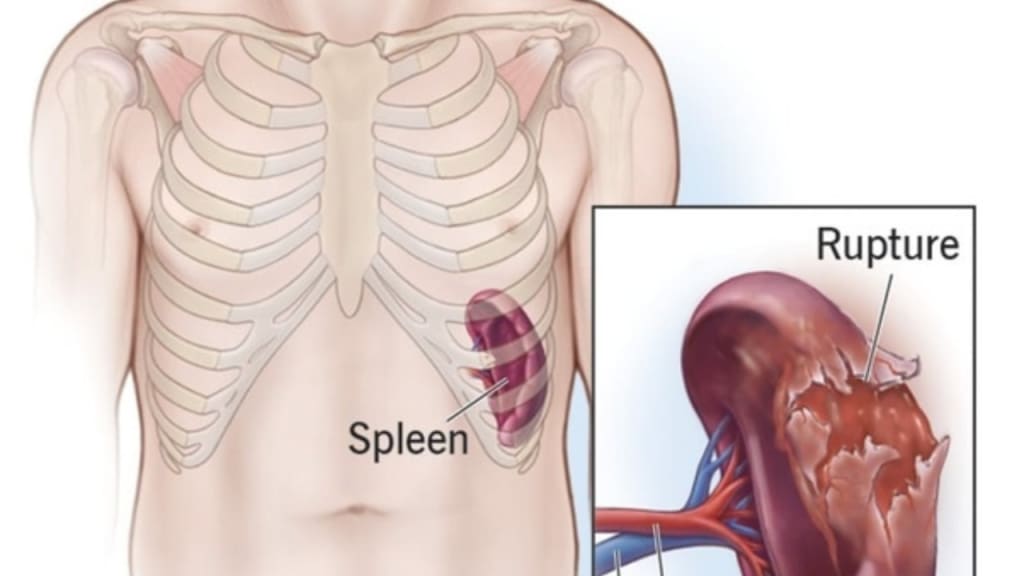
The spleen is an essential organ that performs several vital functions in the human body, including filtering and removing old and damaged blood cells and producing new ones. When the spleen becomes enlarged, it is a sign of an underlying medical condition, which could be mild or severe, depending on the cause. Ignoring an enlarged spleen can lead to serious health consequences, including life-threatening complications.
This article will discuss what happens if you keep your spleen enlarged and don't try to treat it. We will explore the causes of an enlarged spleen, the symptoms, and the potential complications that can arise from leaving it untreated.
1. Understanding the Spleen
The spleen is a small, fist-sized organ located behind the stomach in the upper-left quadrant of the abdomen. It plays an essential role in the immune system and helps to filter and purify the blood. The spleen contains white blood cells that fight off infections and diseases and red blood cells that carry oxygen throughout the body.
2. What Causes an Enlarged Spleen?
An enlarged spleen, also known as splenomegaly, can be caused by a variety of underlying medical conditions. Some of the most common causes include:
Liver disease
Viral infections, such as mononucleosis
Bacterial infections, such as endocarditis
Parasitic infections, such as malaria
Blood cancers, such as leukemia and lymphoma
Inflammatory disorders, such as lupus and rheumatoid arthritis
Metabolic disorders, such as Gaucher's disease
3. Symptoms of an Enlarged Spleen
An enlarged spleen can cause a range of symptoms, which can vary from person to person. Some of the most common symptoms include:
Pain or discomfort in the upper left abdomen
Fatigue or weakness
Anemia
Infections
Easy bleeding or bruising
Jaundice
Abdominal bloating or fullness
Pain or discomfort in the upper left abdomen, fatigue or weakness, anemia, infections, easy bleeding or bruising, jaundice, and abdominal bloating or fullness are all common symptoms of an enlarged spleen. These symptoms may be caused by the spleen's enlarged size pressing against nearby organs or interfering with normal bodily functions. If you experience any of these symptoms, seeking medical attention promptly to determine the underlying cause and receive appropriate treatment is important. If left untreated, an enlarged spleen can lead to life-threatening complications.
4. The Consequences of Ignoring an Enlarged Spleen
Ignoring an enlarged spleen can lead to serious health complications, including:
Ruptured spleen: An enlarged spleen is more fragile and prone to rupture, which can cause life-threatening bleeding.
Infections: An enlarged spleen can become a breeding ground for bacteria, increasing the risk of infections such as sepsis.
Blood clots: An enlarged spleen can disrupt the flow of blood, increasing the risk of blood clots that can lead to stroke or heart attack.
Anemia: An enlarged spleen can destroy red blood cells, leading to anemia.
Portal hypertension: An enlarged spleen can put pressure on the veins in the liver, leading to portal hypertension and potentially life-threatening complications.
5. Possible Treatments for an Enlarged Spleen
The treatment for an enlarged spleen depends on the underlying cause. In some cases, the spleen may need to be removed surgically. Other treatments may include medications to treat infections, control inflammation, or manage pain 6. Living with an Enlarged Spleen
Living with an enlarged spleen can be challenging, but there are things you can do to manage the symptoms and reduce the risk of complications. Some tips include:
Avoiding contact sports or activities that can cause injury to the abdomen.
Eating a healthy diet to maintain good overall health.
Avoiding alcohol and caffeine can exacerbate symptoms.
Taking prescribed medications as directed by your doctor.
Maintaining good hygiene to reduce the risk of infections.
7. When to Seek Medical Attention
If you are experiencing symptoms of an enlarged spleen, it is important to seek medical attention promptly. Your doctor can perform tests to determine the underlying cause of the enlargement and recommend the appropriate treatment.
Seek immediate medical attention if you experience any of the following:
Severe abdominal pain
Chest pain or shortness of breath
Dizziness or fainting
Blood in vomit or stool
Severe abdominal pain, chest pain or shortness of breath, dizziness or fainting, and blood in vomit or stool are all serious symptoms of an enlarged spleen that require immediate medical attention. These symptoms could indicate a ruptured spleen, which is a life-threatening condition that requires emergency treatment. If you experience any of these symptoms, it is important to seek medical attention immediately to prevent further complications.
8. Prevention of an Enlarged Spleen
There is no surefire way to prevent an enlarged spleen, but there are steps you can take to reduce the risk of developing one. Some tips include:
Practice good hygiene to reduce the risk of infections.
Avoid exposure to people who are sick or have contagious illnesses.
Eat a healthy diet and exercise regularly to maintain good overall health.
Get vaccinated for illnesses such as influenza and pneumonia, which can increase the risk of an enlarged spleen.
9. Conclusion
An enlarged spleen is a serious medical condition that requires prompt attention and treatment. If left untreated, it can lead to life-threatening complications, including a ruptured spleen, infections, and blood clots. By understanding the causes and symptoms of an enlarged spleen and taking steps to manage the condition, you can reduce the risk of complications and improve your overall health.
10. FAQs
Can an enlarged spleen go away on its own?
In some cases, an enlarged spleen can resolve on its own without treatment, but this is not always the case.
Can an enlarged spleen cause weight gain?
An enlarged spleen can cause abdominal bloating or fullness, which may result in weight gain.
How is an enlarged spleen diagnosed?
An enlarged spleen is diagnosed through a physical exam, blood tests, imaging tests, and sometimes a biopsy.
Can an enlarged spleen be prevented?
While there is no surefire way to prevent an enlarged spleen, you can reduce the risk by practicing good hygiene, maintaining good overall health, and getting vaccinated.
Can an enlarged spleen cause back pain?
An enlarged spleen can cause pain or discomfort in the upper left abdomen, but it is not typically associated with back pain.
About the Creator
Keep reading
More stories from Arshadnashat and writers in Lifehack and other communities.
What Happens to Your Muscles When You Stop Lifting?
What Happens to Your Muscles When You Stop Lifting? Strength training is a great way to build muscle and maintain overall health. However, there may be times when you have to stop lifting weights for various reasons, such as injury or a busy schedule. What happens to your muscles when you stop lifting? In this article, we will explore the effects of discontinuing strength training on your muscles and overall health.
By Arshadnashat3 years ago in Lifehack
How to Build a Home Gym You’ll Actually Use (Not One That Collects Dust)
Building a home gym sounds simple: buy some equipment, set it up, and train whenever you want. In reality, many home gyms end up unused after the initial excitement fades. The problem usually isn’t motivation or discipline—it’s design.
By Enrique Navarro7 days ago in Lifehack
If You’ve Always Done What You’ve Always Done
At the start of 2025, I started to post articles on my website under the category of ’52 Guiding Lights.' The goal was to share insights on sayings and idioms that aid daily life. I got up to number 16. The goal is to publish these as a management aid. However, we plan to release them in smaller batches, such as 12 at a time. That’s a year’s worth.
By Calvin London2 days ago in Lifehack
How, Too
Many people wonder how, too. You are not alone, and I am an expert. I will teach you how, too! First, you need to remit a small application fee and fill out an application describing the nature of your financial situation and how often payments will be made, as this will have great bearing on how well I teach you how, too.
By Harper Lewis3 days ago in Fiction



Comments
There are no comments for this story
Be the first to respond and start the conversation.