
What are the Symptoms of an Ovarian Cyst? Can it be Dangerous if not Treated Immediately?
Understanding Ovarian Cysts
Introduction
Ovarian cysts are a common condition that affects women of all ages. They can be small or large, and some may cause no symptoms at all. However, in some cases, ovarian cysts can be dangerous if left untreated. In this article, we will discuss the symptoms of ovarian cysts, the types, causes, diagnosis, treatment, complications, and prevention.
What is an Ovarian Cyst?
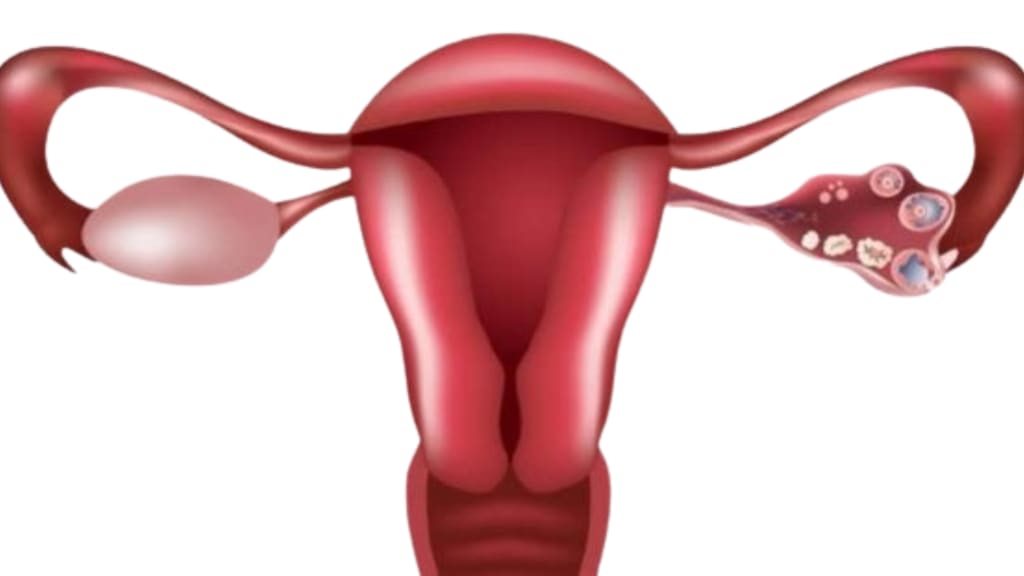
An ovarian cyst is a fluid-filled sac that develops on or inside an ovary. Ovarian cysts can vary in size and shape, and they can be filled with fluid, solid material, or a combination of both. In most cases, ovarian cysts are harmless and go away on their own without treatment.
Causes of Ovarian Cysts
The exact cause of ovarian cysts is not known, but some factors that can increase the risk of developing them include hormonal imbalances, pregnancy, endometriosis, and a family history of ovarian cysts.
Symptoms of Ovarian Cysts
Ovarian cysts can cause a range of symptoms, depending on their size and location. Some of the most common symptoms include:
Pelvic pain: Dull or sharp pain in the lower abdomen or pelvis
Bloating and swelling: Abdominal bloating, fullness, or heaviness
Irregular periods: Changes in the menstrual cycle, such as heavy bleeding or missed periods
Painful bowel movements: Pain or discomfort during bowel movements
Painful sexual intercourse: Pain during or after sex
Fatigue and nausea: General fatigue, weakness, or nausea
Types of Ovarian Cysts
There are several types of ovarian cysts, including:
Functional cysts: The most common type of ovarian cyst, which forms during the menstrual cycle
Dermoid cysts: Cysts that contain hair, skin, and other tissues
Endometriomas: Cysts that form in women with endometriosis
Cystadenomas: Cysts that develop from ovarian tissue
Diagnosis of Ovarian Cysts
To diagnose ovarian cysts, your doctor may perform a physical examination, pelvic ultrasound, blood tests, or laparoscopy. These tests can help your doctor determine the size, location, and type of cyst.
Treatment of Ovarian Cysts
Treatment for ovarian cysts depends on their size, type, and symptoms. In some cases, watchful waiting may be recommended, while in other cases, birth control pills or surgery may be necessary
Treatment of Ovarian Cysts (continued)
Watchful waiting: If the cyst is small and not causing any symptoms, your doctor may recommend monitoring it to see if it goes away on its own.
Birth control pills: Hormonal birth control pills can help prevent the formation of new cysts and reduce the size of existing cysts.
Surgery: If the cyst is large, causing symptoms, or shows signs of cancer, surgery may be necessary. The type of surgery will depend on the size, type, and location of the cyst.
Complications of Ovarian Cysts
Although most ovarian cysts are harmless, some can cause complications, including:
Torsion: When a cyst twists or causes the ovary to twist, cutting off blood supply to the ovary.
Rupture: When a cyst ruptures, causing sudden, severe pain and internal bleeding.
Cancer: Although rare, some ovarian cysts can be cancerous, especially in postmenopausal women.
When to See a Doctor
If you experience any symptoms of ovarian cysts, such as pelvic pain, bloating, irregular periods, or painful sex, it's important to see a doctor for diagnosis and treatment. These symptoms could be a sign of a cyst, but they could also be indicative of other conditions such as endometriosis or pelvic inflammatory disease.
It's especially important to seek immediate medical attention if you have sudden, severe pain or fever. This could be a sign of torsion, which is when a cyst twists on itself and cuts off its own blood supply, or rupture, which is when a cyst bursts and spills its contents into the abdominal cavity. These conditions can be very serious and require immediate medical attention.
In general, it's a good idea to see your doctor for regular pelvic exams and to discuss any changes in your menstrual cycle or other symptoms you may be experiencing. This can help ensure that any potential issues are detected and treated early, before they become more serious.
Prevention of Ovarian Cysts
While it's not always possible to prevent ovarian cysts, there are some steps you can take to reduce your risk, such as:
Using hormonal birth control, which can prevent the formation of new cysts.
Maintaining a healthy weight and exercising regularly, which can help regulate hormone levels and reduce the risk of developing cysts.
Managing conditions such as endometriosis, which can increase the risk of developing ovarian cysts.
Conclusion
In conclusion, ovarian cysts are a common condition that affects many women, especially during their reproductive years. Although most cysts are harmless and go away on their own, some can be dangerous if left untreated. Therefore, it's important to seek medical attention if you experience any symptoms of ovarian cysts, such as pelvic pain, bloating, irregular periods, or painful sex.
Fortunately, there are various treatment options available for ovarian cysts, including watchful waiting, birth control pills, and surgery. In addition, taking steps to reduce your risk of developing cysts, such as maintaining a healthy weight and managing conditions such as endometriosis, can also be helpful.
If you have concerns about ovarian cysts, don't hesitate to talk to your doctor. With prompt diagnosis and appropriate treatment, most women with ovarian cysts can be effectively treated and go on to lead healthy, fulfilling lives.
FAQs
Can ovarian cysts cause infertility?
In some cases, ovarian cysts can interfere with ovulation and cause infertility. However, most cysts do not affect fertility.
How are ovarian cysts diagnosed?
Ovarian cysts are diagnosed through a physical examination, pelvic ultrasound, blood tests, or laparoscopy.
Are all ovarian cysts cancerous?
No, most ovarian cysts are not cancerous. However, some cysts can be cancerous, especially in postmenopausal women.
Can ovarian cysts go away on their own?
Yes, many ovarian cysts go away on their own without treatment.
Can I prevent ovarian cysts?
While it's not always possible to prevent ovarian cysts, using hormonal birth control, maintaining a healthy weight, and managing conditions such as endometriosis can help reduce the risk of developing cysts.
About the Creator
Keep reading
More stories from Arshadnashat and writers in Lifehack and other communities.
Does Shopify allow anyone to add Stripe to their store without being verified by them first?
Introduction Shopify is a popular e-commerce platform that allows business owners to create an online store and sell their products to customers all around the world. One of the features of Shopify is the ability to add third-party payment providers, such as Stripe, to your store. However, many people are unsure whether they can add Stripe to their Shopify store without being verified first. In this article, we will explore this topic in detail and provide you with all the information you need to know.
By Arshadnashat3 years ago in Lifehack
“I Forgot How to Be Bored (And It Was Ruining My Focus)”
Let’s be real—my phone was low-key ruining my life. I’m gonna be 100% honest: it got pretty embarrassing. I reached a point where I couldn’t even wait for the coffee to brew without my hand "magically" grabbing my phone. It wasn’t even a choice anymore; it was just this mindless, zombie-like reflex. I’d spend an hour scrolling through absolute junk and then realize I didn't remember a single thing I saw. My focus? Completely trashed.
By Demiana Louis Boshraa day ago in Lifehack
The AI Ecosystem in 2026
By 2026, the ecosystem of artificial intelligence will have matured beyond experimentation and early adoption. It is now a complex, interconnected infrastructure shaping industries, markets, institutions, and everyday life. AI is no longer a niche technology: it is a foundational layer of the digital economy, much like the internet itself. Understanding this ecosystem requires looking beyond models and algorithms to the roles, relationships, and platforms that make AI an essential and sustainable force.
By Sathish Kumar 4 days ago in Lifehack


Comments
There are no comments for this story
Be the first to respond and start the conversation.