
Weight Loss and Nutrition
A Practical Guide to Healthy Eating and Sustainable Results

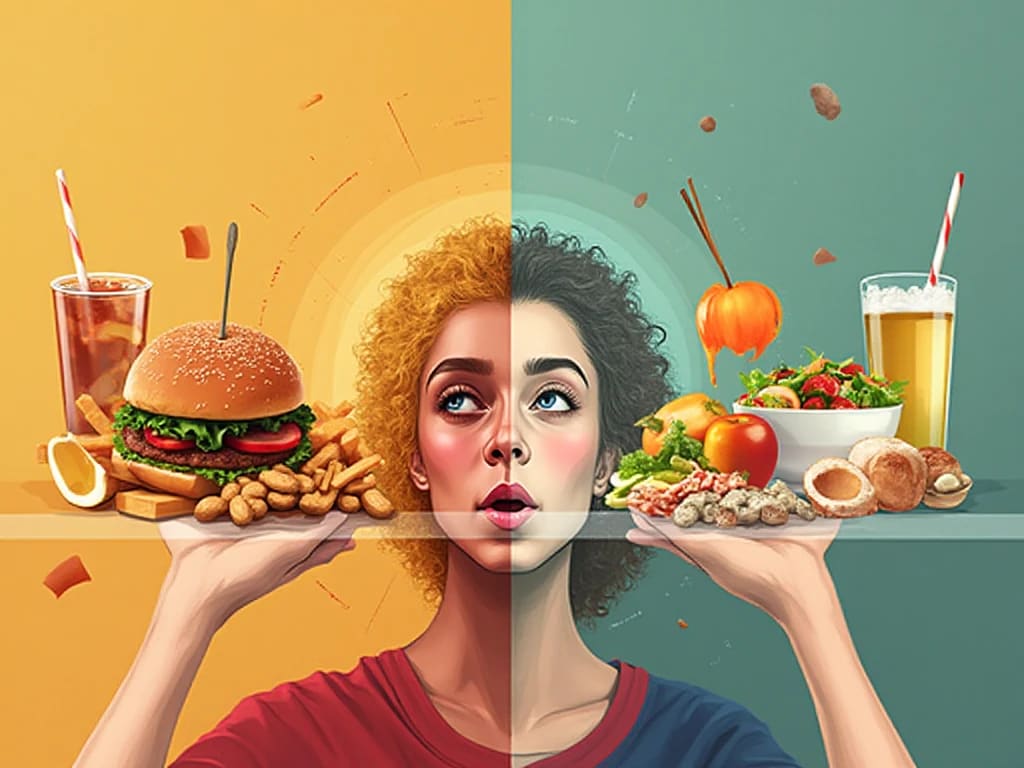
Most people, at some point, want to lose a few pounds. Some try strict diets, others hit the gym hard, and a few even look for shortcuts. The truth is, lasting weight loss doesn’t come from quick fixes. It comes from understanding how your body works, choosing foods wisely, and building habits you can live with.
Why Weight Loss Isn’t Just About Cutting Calories
At its core, weight loss happens when your body burns more energy than it takes in. This is called a calorie deficit. But real life is never that simple. Metabolism, sleep, stress, and even genetics all play a role.
Think of it this way:
If you eat more than you burn, you gain.
If you eat less than you burn, you lose.
But the pace, the struggles, and the results will look different for everyone.
Crash diets might give you quick results, but they rarely last. What truly works is consistency—small changes that add up over time.
Nutrition: The Cornerstone of Weight Loss
Exercise is valuable, but food is where most of the change happens. What you put on your plate makes the biggest difference.
A balanced plate with protein, healthy fats, and carbs gives energy and keeps you satisfied.
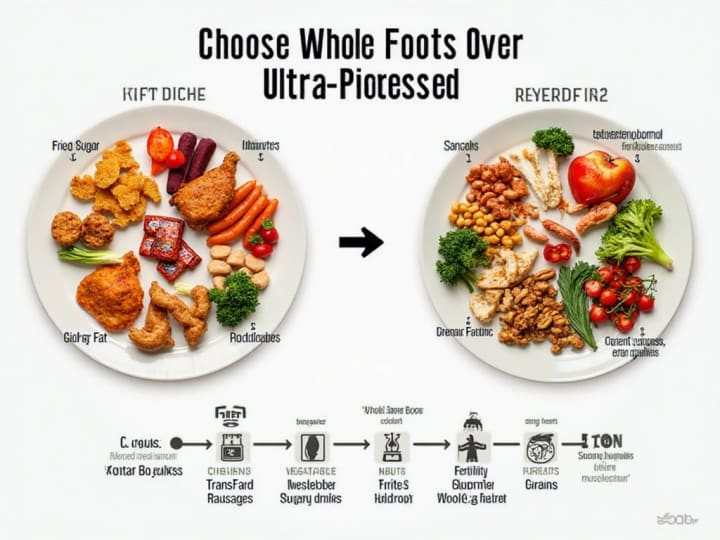
Whole foods like vegetables, fruits, grains, and lean protein beat processed snacks every time.
And never underestimate water. Staying hydrated helps control appetite and supports metabolism.
Eating Plans That Actually Work
There isn’t a single diet that works for everyone. The best plan is the one you can stick to. Here are a few that people often succeed with:
Mediterranean diet: rich in olive oil, fish, nuts, and vegetables. Great for heart and long-term weight control.
Low-carb diets: quick results, but not always sustainable for the long haul.
Plant-based diets: full of fiber and nutrients, helpful for digestion and overall health.
Intermittent fasting: eating within certain hours (like 16:8) helps some people control calories naturally.
Nutrients That Make a Difference
Some nutrients are especially useful when you’re trying to lose weight:
Protein keeps you full and supports muscle.
Fiber slows digestion and curbs overeating.
Healthy fats keep hormones balanced and your brain sharp.
Vitamins and minerals keep energy and metabolism running smoothly.
Mistakes That Hold People Back
If weight loss feels impossible, it’s often because of small but common missteps:
Skipping meals and then overeating later.
Relying on extreme diets that aren’t sustainable.
Eating large portions—even of healthy foods.
Not getting enough sleep, which fuels cravings.
Overestimating exercise and “rewarding” workouts with extra food.
Making It Work in Daily Life
One thing I learned the hard way is that weight loss isn’t just about what you eat—it’s also about how you eat. I used to rush through meals at my desk, barely tasting my food, only to feel hungry again an hour later. Slowing down, savoring each bite, and paying attention to hunger signals made a huge difference. Suddenly, I didn’t need second helpings, and I actually enjoyed my meals more.
Lasting weight loss doesn’t come from doing everything perfectly—it comes from making manageable choices every day:
Cook more at home so you control ingredients.
Keep healthy snacks like nuts or fruit nearby.
Add movement you enjoy—walking, cycling, or even dancing.
Notice your patterns: do you snack when you’re stressed or bored?
The Mental Side of Weight Loss
This journey isn’t only about the body. It’s about the mind, too. Stress and emotions can easily derail healthy habits. That’s why mindset matters.
Mindful eating helps you listen to your body’s signals.
Managing stress through meditation, deep breathing, or hobbies prevents emotional eating.
A support system—friends, family, or a community—can make a huge difference.
Another overlooked piece of the puzzle is celebrating small victories. I remember feeling frustrated when I didn’t see a big drop on the scale for weeks, even though I was sticking to healthy habits. Then I started noticing other wins—my energy stayed up through the afternoon, my clothes fit better, and I wasn’t craving sugary snacks like before. Those small wins kept me motivated, and eventually, the weight loss followed naturally.
The Bigger Picture
Weight loss isn’t just a short-term goal; it’s part of building a healthier life. Don’t chase perfection or quick results. Aim for progress. A safe, steady loss of about 0.5 to 1 kg per week is realistic and sustainable.
The reward isn’t only in the mirror. It’s in having more energy, feeling stronger, and knowing you’re taking care of your body for the long run.
About the Creator
Kiruthigaran Mohan
art writing...
Keep reading
More stories from Kiruthigaran Mohan and writers in Lifehack and other communities.
Ultra-Processed Foods and Men’s Health: Hidden Risks You Need to Know
Ultra-processed foods (UPFs) are everywhere—packaged in shiny boxes, easy to grab, and designed to be irresistible. They are items like packaged snacks, fast food, instant noodles, breakfast cereals with added sugars, soft drinks, frozen meals, and processed meats. Though convenient and inexpensive, they have been shown by researchers to quietly damage health when consumed on a daily basis.
By Kiruthigaran Mohan6 months ago in Lifehack
How Sherman Lai Integrates Natural Therapies for Whole-Body Wellness
Many people have begun searching for natural methods to enhance their general health and well-being in recent years. Holistic healthcare concentrates on balancing the overall body rather than just treating symptoms. Because they promote long-term wellbeing, natural treatments including acupuncture, herbal medicine, and lifestyle counseling are growing in popularity. Sherman Lai, a practitioner renowned for this well-rounded approach, combines many natural healing techniques to assist people in achieving whole-body wellbeing.
By Sherman Lai Guelph3 days ago in Lifehack



Comments
There are no comments for this story
Be the first to respond and start the conversation.