
Ultra-Processed Foods and Men’s Health: Hidden Risks You Need to Know
How Processed Diets Affect Male Hormones, Fertility, and Overall Well-Being


Ultra-processed foods (UPFs) are everywhere—packaged in shiny boxes, easy to grab, and designed to be irresistible. They are items like packaged snacks, fast food, instant noodles, breakfast cereals with added sugars, soft drinks, frozen meals, and processed meats. Though convenient and inexpensive, they have been shown by researchers to quietly damage health when consumed on a daily basis.
Over the past several years, scientists have been issuing warnings about the effects ultra-processed foods have on men's overall health. From fertility rates to metabolism, the evidence shows that too much reliance on UPFs can cause serious long-term complications.
What Are Ultra-Processed Foods?
Ultra-processed foods go beyond minimally processed items like freezing, canning, or drying. Ultra-processed foods are industrially made from refined ingredients, artificial flavors, emulsifiers, preservatives, and colorants. Instead of whole food, they are composed of food extracts—like refined starches, hydrogenated oils, and protein isolates—mixed with chemicals to promote shelf life and flavor.
Examples include:
Sugary drinks and soft drinks
Packaged cookies, chips, and candies
Fast foods like burgers, fries, and fried chicken
Instant noodles and ready-to-eat food
Processed meats like sausages, bacon, and hot dogs
Regular consumption might not be detrimental, but intermittent consumption is linked to obesity, diabetes, heart disease, and even certain cancers.
Ultra-Processed Foods and Male Reproductive Health
Recently, in research, perhaps one of the most alarming findings is the effect of UPFs on male fertility. From studies, it was learned that diets with high consumption of processed foods decrease sperm quality, motility, and count.
Why is this?
1. Refined Carbohydrates and High Sugar – Insulin and blood sugar spikes interfere with testosterone production.
2. Too Much Trans Fats – Fried fast foods and processed snack foods contain these fats, which decrease sperm count and harm sperm structure.
3. Chemical Additives – Artificial and preservative food additives can be endocrine disruptors and mess with hormone balance.
4. Obesity and Endocrine Imbalance – Men who consume large amounts of UPFs are likely to develop visceral fat, which lowers testosterone levels and increases estrogen levels.
All this adds up to creating a scenario under which male fertility drops precipitously. Men who seek children must pay extra care to what they consume.
Impact on Testosterone Levels
Testosterone is the main male hormone responsible for muscle growth, sex drive, energy, and emotional health. Ultra-processed diets are linked with low levels of testosterone due to:
Increased body fat that contributes to higher estrogen conversion
Chronic inflammation caused by man-made additives
Deficiency in nutrients since UPFs lack zinc, magnesium, and vitamin D—nutrients needed for testosterone synthesis
Low testosterone is not only decreased fertility. It also produces low energy, muscle loss, mood swings, and heightened risk of metabolic disease.
Ultra-Processed Foods and Men's Metabolic Health
Men with heavy processed diets have elevated risks for obesity, type 2 diabetes, and cardiovascular disease. UPFs are calorie-dense but nutrient-poor. This means that men receive too many calories but too few vitamins, minerals, and fiber.
Primary health effects are:
Insulin resistance → to develop diabetes
High blood pressure and cholesterol → to raise the risk of heart disease
Storage of fat in the liver → to lead to fatty liver disease
Chronic inflammation → to lead to blood vessel damage and increase stroke risk
These risks are most concerning in men over 30 years since normal metabolism with age is reduced.
Mental Health and Cognitive Function
It's not just the body that suffers—men's mental health is also affected. UPFs are strongly associated with risks of depression, anxiety, and compromised memory. The brain needs nutrients like omega-3 fatty acids, antioxidants, and amino acids to operate efficiently. These crucial nutrients are not found in ultra-processed foods but rather cause inflammation, which can undermine mental ability.
Why Men Are More Vulnerable
While everyone is affected by ultra-processed foods, men may have unique vulnerabilities:
Greater tendency to consume fast foods due to work or lifestyle timings
Greater metabolic sensitivity to visceral fat around the abdomen
Dependence on convenience foods while traveling, during sports, or overtime work
Social habits like alcohol and processed meat consumption
Synergy contributes to additional male health burden compared to women in certain cases.
Changes Men Can Make to Reduce Risks
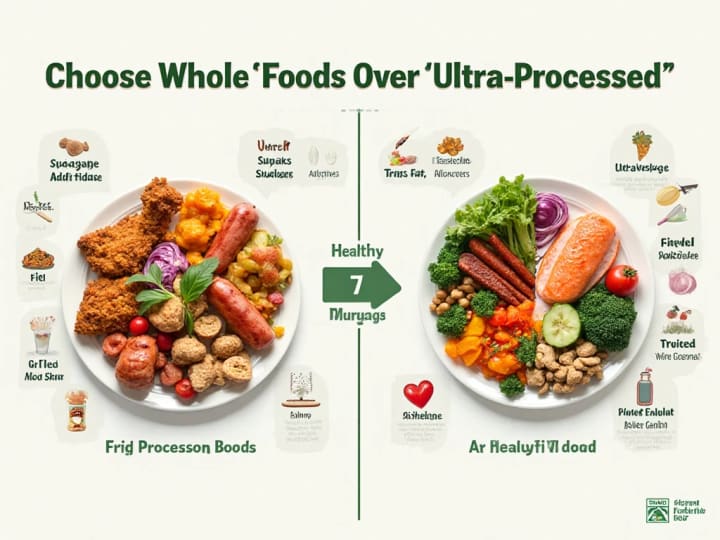
Men should not leave UPFs entirely, but reducing consumption and prioritizing whole foods will greatly increase health benefits.
1. Prioritize Whole Foods
Choose fresh fruits, vegetables, whole grains, nuts, seeds, lean meat, and fish.
2. Cook at Home
Home-cooked meals yield more control over ingredients and portion size.
3. Read Labels Carefully
Avoid foods with many ingredients, especially those with added sugars, hydrogenated oils, or chemicals.
4. Replace Sugary Drinks
Replace sodas and energy drinks with water, herbal teas, or freshly squeezed juices.
5. Balance with Nutrient-Dense Foods
Include zinc foods (pumpkin seeds, shellfish), omega-3 sources (salmon, walnuts), and good-quality proteins to keep testosterone and fertility in balance.
6. Limit Fast Food Frequency
If unavoidable, take the grilled instead of the fried, and with salads instead of fries.

The Bigger Picture
Ultra-processed foods are not just an individual health issue—public health. When men become urbanized and have busy lives, they end up relying heavily on convenience foods. This has a cumulative burden in the long run, with stealthy losses in fertility rates, increased chronic diseases, and decreased life expectancy.
Health experts have recommended public education campaigns, improved labeling, and better substitutes to allow people to make informed decisions.
Last Words
Ultra-processed foods may be convenient, but they carry unexpected dangers for men's health. From lowering testosterone and sperm quality to causing diabetes, heart disease, and depression, the long-term effects are not debatable.
The secret is not in pills or supplements, but in day-to-day changes in lifestyle—more whole foods, fewer dependency on packaged meals, and attention to nutritional balance. Men today who take control of what they eat can protect their health, strength, and vigor for tomorrow.
About the Creator
Kiruthigaran Mohan
art writing...
Keep reading
More stories from Kiruthigaran Mohan and writers in Lifehack and other communities.
Understanding Breast Cancer: Awareness, Detection, and Hope
Introduction Breast cancer is a most common type of cancer in women around the world and also men but at a relatively lower frequency. It begins when the breast has abnormal cells that divide uncontrollably and create a tumor that is capable of spreading to other parts of the body. Over the years, awareness and caution, early detection, and advanced treatments have ensured the prevention of the impact of breast cancer. However, it is a serious health concern that should be addressed, learned about, and supported.
By Kiruthigaran Mohan6 months ago in Lifehack
Phoenix, Arizona: The City That Learned to Grow With the Desert
When people first arrive in Phoenix, Arizona, the landscape can feel almost surreal. The vast Sonoran Desert stretches outward with towering saguaro cacti, rugged mountains, and wide skies that shift colors dramatically at sunset. At first glance, it seems like an unlikely place for a major metropolitan area.
By House Doctor6 days ago in Lifehack
The mistake that keeps high performers stuck
There is a common assumption many professionals carry throughout their careers. It sounds logical at first. If I work hard, produce great results, and consistently deliver strong performance… eventually I will be recognized and promoted.
By Bahati Mulishi2 days ago in Lifehack


Comments
There are no comments for this story
Be the first to respond and start the conversation.