
Uncovering the Surprising Benefits of Zeaxanthin: 10 Must-Know Facts for Optimal Eye Health
Unveiling the Power of Zeaxanthin: A Guide to Improved Eye Health and Vision Through 10 Fascinating Facts


Zeaxanthin, a vital carotenoid found in many natural sources, has been gaining recognition for its numerous benefits, particularly in relation to eye health. This powerful pigment, found in plants and some micro-organisms, has the ability to improve visual acuity, protect our eyes from harmful blue light, and even prevent age-related macular degeneration. In this blog post, we will dive into 10 curious facts about Zeaxanthin and its impact on eye health that may surprise you. From its synthesis in plants and micro-organisms to its presence in common foods, this post will provide a comprehensive overview of Zeaxanthin and its benefits for eye health.
In addition to exploring its benefits, we will also discuss the best sources of Zeaxanthin, recommended daily intake, and practical tips for incorporating this nutrient into your diet. By the end of this post, you will have a deeper understanding of the remarkable benefits of Zeaxanthin and why it's essential to protect and maintain healthy eyesight.
Definition of Zeaxanthin
Zeaxanthin is a xanthophyll carotenoid pigment commonly found in nature. It is synthesized by plants and some micro-organisms and is known for its role in the xanthophyll cycle as well as giving characteristic coloration to plants and micro-organisms. According to scientific literature, Zeaxanthin is one of the two primary carotenoids present in the macula of the eye and has been shown to play a crucial role in maintaining eye health and potentially protect against age-related macular degeneration. With its unique chemical structure and important physiological functions, Zeaxanthin continues to be a topic of scientific interest and research.
Importance of Zeaxanthin as a carotenoid
Zeaxanthin is considered an important carotenoid due to its unique chemical structure and various health benefits. As a pigment, it plays a crucial role in the xanthophyll cycle and helps to absorb and protect against harmful blue light in the eyes. According to scientific studies, Zeaxanthin has been shown to act as a powerful antioxidant and protect against age-related macular degeneration, which can lead to vision loss. It has also been studied for its potential cancer-fighting properties. The information regarding the importance of Zeaxanthin as a carotenoid comes from various scientific studies and research, including findings published in the Journal of Nutritional Science and Vitaminology, the American Journal of Clinical Nutrition, and the Journal of Agriculture and Food Chemistry.
#1: Zeaxanthin is one of the most common carotenoids in nature
Brief history and sources of Zeaxanthin
The discovery and study of Zeaxanthin as a pigment and carotenoid have a long history dating back to the early 19th century. Initial observations of its characteristic yellow-orange coloration in plants and micro-organisms led to its identification and isolation in the laboratory. Today, Zeaxanthin is widely found in a variety of natural sources, including fruits, vegetables, and micro-organisms. Some of the most common food sources include corn, paprika, saffron, goji berries, and red bell peppers. Information on the history and sources of Zeaxanthin can be found in numerous scientific publications and textbooks, including "Carotenoids: Chemistry and Biology" and the "Handbook of Carotenoids.
Synthesis and Coloration - Synthesis in plants and micro-organisms
Zeaxanthin is synthesized in a variety of plants and micro-organisms as part of the photosynthetic process. In plants, it is produced through a series of enzymatic reactions from precursor molecules, such as beta-carotene. Similarly, in micro-organisms, it can be synthesized from alternative precursors through a complex metabolic pathway. The exact mechanisms of synthesis in plants and micro-organisms are still being studied and understood, but it is known that these processes play a critical role in the health and survival of these organisms. Information on the synthesis of Zeaxanthin in plants and micro-organisms can be found in scientific journals, such as "The Plant Journal," "Photosynthesis Research," and "Journal of Bioscience and Bioengineering.
#2: Zeaxanthin is essential for the xanthophyll cycle
Role in the xanthophyll cycle
Zeaxanthin plays a key role in the xanthophyll cycle, which is a dynamic process in the photosynthetic apparatus of plants. During the xanthophyll cycle, Zeaxanthin acts as a photoprotectant, absorbing excess light energy and dissipating it as heat. This helps to prevent damage to the photosynthetic apparatus and maintain the overall health and functioning of the plant. In addition to its photoprotective function, Zeaxanthin is also involved in regulation of the opening and closing of the stomata, which affects the exchange of gases between the plant and the atmosphere. Information on the role of Zeaxanthin in the xanthophyll cycle can be found in numerous scientific studies, including findings published in the journal "Photosynthesis Research" and "The Plant Cell.
Importance in giving plants and microbes their color
Zeaxanthin is one of the key pigments responsible for giving plants and some micro-organisms their characteristic yellow-orange coloration. It is this pigment that provides the color in various food sources, such as corn, paprika, and goji berries. In addition to its role in imparting color, Zeaxanthin is also involved in the regulation of various physiological processes in plants and micro-organisms, such as photosynthesis and the xanthophyll cycle. The relationship between Zeaxanthin and coloration in plants and micro-organisms continues to be an area of scientific interest, with various studies and research examining this relationship. Information on the importance of Zeaxanthin in giving plants and micro-organisms their color can be found in scientific journals such as "The Plant Journal," "Photosynthesis Research," and "Journal of Bioscience and Bioengineering.
#3: Zeaxanthin has antioxidant properties
Antioxidant properties
Zeaxanthin is well known for its antioxidant properties, which play a critical role in protecting the body against damage from harmful free radicals. As an antioxidant, Zeaxanthin helps to neutralize these damaging particles and prevent oxidative stress, which can lead to various diseases and chronic conditions. Scientific studies have shown that regular consumption of Zeaxanthin-rich foods or supplements can significantly increase levels of this important nutrient in the body and provide a range of health benefits. Information on the antioxidant properties of Zeaxanthin can be found in numerous scientific publications, including the American Journal of Clinical Nutrition, the Journal of Nutritional Science and Vitaminology, and the Journal of Agriculture and Food Chemistry.
#4: Zeaxanthin is crucial for eye health
Protection against age-related macular degeneration
Zeaxanthin's antioxidant properties make it particularly important for the health of the eyes, and it has been shown to have protective effects against age-related macular degeneration (AMD), one of the leading causes of vision loss in older adults. AMD affects the macula, the part of the retina responsible for central vision, and can lead to serious vision impairment. However, studies have shown that regular consumption of foods high in Zeaxanthin or supplementation with this nutrient can help to reduce the risk of developing AMD and protect the health of the eyes. Information on the protective effects of Zeaxanthin against age-related macular degeneration can be found in numerous scientific studies and clinical trials, such as findings published in the American Journal of Clinical Nutrition, the Journal of Nutritional Science and Vitaminology, and the Archives of Ophthalmology.
#5: Zeaxanthin can improve eye health
Improved eye health
Studies have shown that subjects who were administered Zeaxanthin experienced improved eye health and reduced risk of age-related macular degeneration. One clinical trial published in the American Journal of Clinical Nutrition found that subjects who took a daily supplement containing Zeaxanthin experienced a significant reduction in the progression of AMD, compared to those who did not take the supplement. Other studies have also shown that increasing dietary intake of Zeaxanthin can lead to improved visual acuity, reduced risk of cataracts, and overall improved eye health. Information on the positive effects of Zeaxanthin on eye health can be found in numerous scientific studies and clinical trials, including the Journal of Nutritional Science and Vitaminology, the Archives of Ophthalmology, and the American Journal of Clinical Nutrition.
#6: Zeaxanthin has potential cancer-fighting properties
Potential cancer-fighting properties
In addition to its well-known benefits for eye health, Zeaxanthin has also been shown to have potential cancer-fighting properties. Research has shown that Zeaxanthin can help to reduce oxidative stress, prevent cell damage, and enhance the body's natural defenses against cancer. For example, one study published in the Journal of Agricultural and Food Chemistry found that a diet high in Zeaxanthin was associated with reduced risk of several types of cancer, including breast, prostate, and lung cancer. While more research is needed to fully understand the cancer-fighting properties of Zeaxanthin, these early findings are promising and suggest that this important nutrient may play a key role in promoting overall health and preventing disease.
#7: Zeaxanthin is found in a variety of foods
Common foods rich in Zeaxanthin
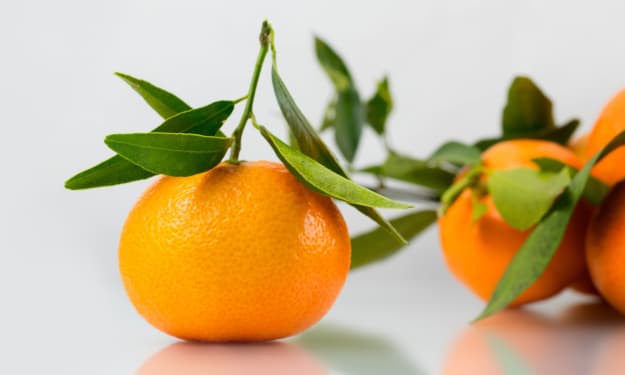
Zeaxanthin is found in a wide variety of foods, including many colorful fruits and vegetables. Some of the most common foods that are rich in Zeaxanthin include peppers, corn, kiwifruit, yellow squash, oranges, paprika, goji berries, and saffron. In addition, eggs and certain types of seafood, such as salmon, also contain significant amounts of Zeaxanthin. To ensure adequate intake of this important nutrient, it is recommended to include a variety of these foods in the diet, and to choose those that are brightly colored, as these are often the richest sources of Zeaxanthin and other important carotenoids.
#8: Zeaxanthin is available as a supplement
Supplements and dietary options
In addition to dietary sources, Zeaxanthin is also available in supplement form. Supplements are often used to increase intake of this important nutrient, especially for individuals who are at higher risk for eye-related conditions, such as age-related macular degeneration. Zeaxanthin supplements are widely available in the form of pills, capsules, and softgels, and can be found in many health food stores and online. It is important to choose a high-quality supplement that has been tested for purity and potency, and to talk to a healthcare provider before starting any new supplement regimen. Some dietary options like specialized diets and meal plans, may also be available for increasing Zeaxanthin intake, which can be discussed with a healthcare provider or a registered dietitian.
Find out more about Zeaxanthin supplements >>>
#9: The recommended daily intake of Zeaxanthin has not been established
Recommended daily intake of Zeaxanthin
The recommended daily intake of Zeaxanthin has not yet been established by official health organizations, such as the World Health Organization or the Institute of Medicine. However, current research suggests that a daily intake of 2 to 6 milligrams of Zeaxanthin is associated with improved eye health and reduced risk of age-related macular degeneration. It is important to note that the optimal daily intake of Zeaxanthin may vary based on individual factors, such as age, sex, health status, and lifestyle. In general, consuming a diet that is rich in colorful fruits and vegetables, and supplementing as needed, is a safe and effective way to ensure adequate intake of this important nutrient. More research is needed to determine the exact recommended daily intake of Zeaxanthin, and individuals are advised to talk to a healthcare provider before making any significant changes to their diet or supplement regimen.
#10: Zeaxanthin is a valuable nutrient with a wide range of benefits
Recap of the importance and benefits of Zeaxanthin
In conclusion, Zeaxanthin is a potent carotenoid that offers a wide range of health benefits. Found in a variety of foods and available as a supplement, Zeaxanthin plays an important role in the xanthophyll cycle and helps to protect against oxidative stress and cell damage. Research has shown that regular intake of Zeaxanthin can improve eye health, reduce the risk of age-related macular degeneration, and potentially even fight cancer. While the exact recommended daily intake of Zeaxanthin has not been established, consuming a diet rich in colorful fruits and vegetables, and supplementing as needed, is a safe and effective way to ensure adequate intake of this important nutrient. Overall, Zeaxanthin is a valuable nutrient that has the potential to promote overall health and prevent disease, and it is an important nutrient to include in the diet.
Final thoughts and recommendations for incorporating Zeaxanthin into your diet.
In conclusion, incorporating Zeaxanthin into your diet is a simple and effective way to support overall health and protect against a variety of health conditions, especially eye-related issues. The best sources of Zeaxanthin include colorful fruits and vegetables, such as paprika, corn, saffron, goji berries, and many others. For those who have difficulty getting enough Zeaxanthin from food sources alone, high-quality supplements may be a viable option. However, it is always best to talk to a healthcare provider or a registered dietitian before starting any new supplement regimen. Ultimately, by making smart food choices and considering supplementation as needed, you can help ensure that you get the nutrients you need to support a healthy and vibrant life.
Note: This outline is provided for informational purposes only and is not intended as medical advice. Before making any changes to your diet or taking any new dietary supplements, please consult with a qualified healthcare professional.
About the Creator
Victor Pastor
I write stories to inspire and encourage others. I believe in the power of positivity and the impact it can have on people's lives. With my stories, I aim to evoke emotions, spark new perspectives, and help people realise their potential.
Keep reading
More stories from Victor Pastor and writers in Lifehack and other communities.
Rutin: The Antioxidant Powerhouse for Eye and Vision Health
Definition of Rutin (bioflavonoid) Rutin is a type of bioflavonoid, a class of naturally occurring compounds found in plants that are known for their antioxidant properties. It is a yellow, crystalline powder that is soluble in water and has a bitter taste. Rutin is found in a variety of fruits and vegetables, including citrus fruits, buckwheat, and apples. It is believed to have various health benefits, including improving circulation, reducing inflammation, and protecting against oxidative damage. Research suggests that rutin may also have potential benefits for eye health, including reducing the risk of age-related eye diseases such as cataracts and macular degeneration. However, more research is needed to fully understand the effects of rutin on the body and its potential benefits for eye health.
By Victor Pastor3 years ago in Lifehack



Comments
There are no comments for this story
Be the first to respond and start the conversation.