
Rutin: The Antioxidant Powerhouse for Eye and Vision Health
Uncovering the Benefits of this Bioflavonoid for Maintaining Healthy Vision

Definition of Rutin (bioflavonoid)
Rutin is a type of bioflavonoid, a class of naturally occurring compounds found in plants that are known for their antioxidant properties. It is a yellow, crystalline powder that is soluble in water and has a bitter taste. Rutin is found in a variety of fruits and vegetables, including citrus fruits, buckwheat, and apples. It is believed to have various health benefits, including improving circulation, reducing inflammation, and protecting against oxidative damage. Research suggests that rutin may also have potential benefits for eye health, including reducing the risk of age-related eye diseases such as cataracts and macular degeneration. However, more research is needed to fully understand the effects of rutin on the body and its potential benefits for eye health.
Overview of Rutin’s role in eye vision health
Rutin, a type of bioflavonoid, has been shown to play a role in maintaining eye vision health. Its potent antioxidant properties help protect the eyes from oxidative damage caused by harmful free radicals. Rutin also improves circulation and reduces inflammation in the eyes, which can help prevent age-related eye diseases such as cataracts and macular degeneration. In addition, studies suggest that rutin may help prevent the formation of blood clots in the blood vessels in the eyes, thereby improving blood flow to the eyes and promoting eye health. Although more research is needed to fully understand the effects of rutin on the eye, including recommended daily intake and potential side effects, incorporating rutin-rich foods and supplements into your diet may help support overall eye health and maintain healthy vision.
What is Rutin and where it can be found?
Chemical composition and structure of Rutin.
Rutin is found in many plants. It is chemically composed of a flavonol glycoside, meaning it is a combination of a flavonol (quercetin) and a sugar molecule. Rutin has a specific chemical structure, with a yellow crystalline powder form that is soluble in water and has a bitter taste. It can be found in a variety of fruits and vegetables, including citrus fruits (such as oranges and lemons), buckwheat, apples, and other foods. Some supplements and extracts are also available that are derived from rutin-rich foods, making it easier to incorporate into your diet. However, it is important to note that the amount of rutin in these supplements can vary, so it is recommended to consult with a healthcare professional before taking any new dietary supplements.
Rutin is a flavonol glycoside, meaning it is a combination of a flavonol called quercetin and a sugar molecule. It has a specific chemical structure consisting of a hydroxyl group, a carbonyl group, and a heterocyclic ring. This chemical composition and structure give rutin its yellow, crystalline powder form that is soluble in water and has a bitter taste. The exact structure of rutin can vary slightly based on the specific type of sugar molecule attached to the quercetin molecule, but the basic chemical composition remains the same.
Natural sources of Rutin
Rutin is a naturally occurring compound found in many fruits and vegetables. Some of the most abundant sources of rutin include:
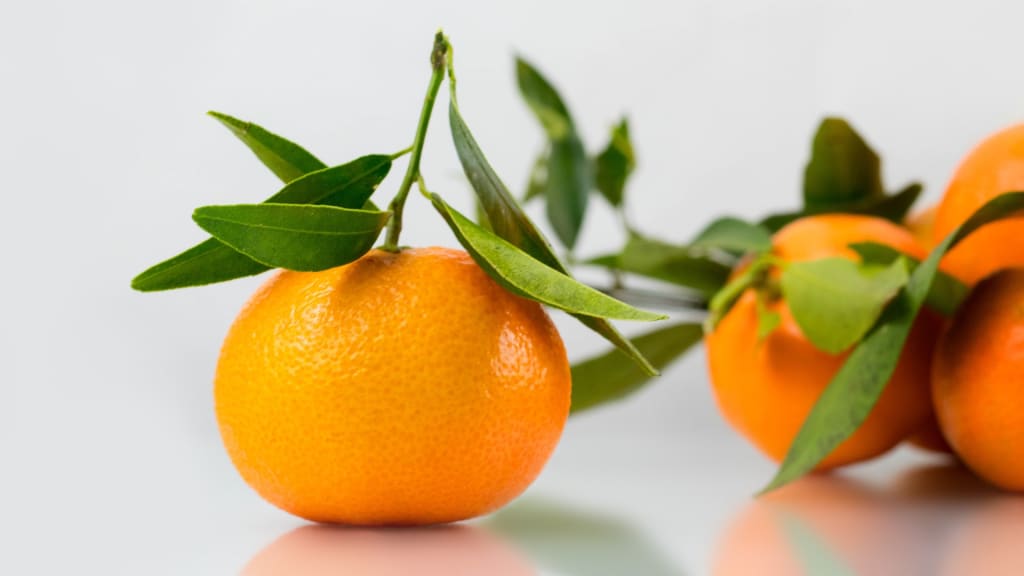
• Citrus fruits: oranges, lemons, grapefruits, and tangerines
• Buckwheat: including both the seeds and sprouts
• Apples: particularly the skin
• Berries: including blackberries, cherries, and cranberries
• Asparagus
• Grapes
• Stone fruits: peaches, plums, and apricots
In addition to these foods, rutin is also available in supplement form, either as a standalone ingredient or as part of a blend of other bioflavonoids. However, it is important to note that the amount of rutin in supplements can vary widely, so it is recommended to consult with a healthcare professional before taking any new dietary supplements. Incorporating a variety of rutin-rich foods into your diet is the best way to ensure adequate intake of this beneficial compound.
Benefits of Rutin for eye vision
Antioxidant properties of Rutin and its role in protecting the eyes from oxidative damage.
Rutin has potent antioxidant properties, which make it an important player in protecting the eyes from oxidative damage. Antioxidants work by neutralising harmful free radicals in the body, which can damage cells and contribute to the development of age-related eye diseases such as cataracts and macular degeneration. By scavenging these free radicals, rutin helps to prevent oxidative damage to the eyes and promote overall eye health. Additionally, rutin's antioxidant properties help to reduce inflammation in the eyes, which can further contribute to the development of age-related eye diseases. The combination of antioxidant protection and anti-inflammatory effects makes rutin a valuable compound for maintaining healthy vision and protecting against age-related eye diseases.
Rutin's ability to improve circulation and reduce inflammation in the eyes.
Rutin has been shown to improve circulation and reduce inflammation in the eyes, making it a valuable compound for maintaining eye health. Improved circulation helps to bring oxygen and nutrients to the eyes, supporting their overall health and function. In addition, reducing inflammation in the eyes can help prevent the development of age-related eye diseases such as cataracts and macular degeneration. By reducing inflammation, rutin helps to protect the delicate tissues of the eyes and preserve their function. Additionally, rutin's anti-inflammatory effects may help to relieve symptoms associated with eye conditions such as dry eye syndrome and conjunctivitis. Overall, rutin's ability to improve circulation and reduce inflammation in the eyes makes it an important component of a healthy diet for those who want to maintain their vision and protect against age-related eye diseases.
Evidence linking Rutin intake to reduced risk of age-related eye diseases.
There is some evidence linking rutin intake to reduced risk of age-related eye diseases such as cataracts and macular degeneration. While more research is needed in this area, initial studies suggest that the antioxidant and anti-inflammatory properties of rutin may help to protect the eyes against these conditions. For example, one study found that rutin supplementation improved visual acuity and reduced oxidative stress in the eyes of patients with cataracts. Another study found that rutin may help to protect against age-related macular degeneration by reducing oxidative damage and inflammation in the eyes. These findings suggest that incorporating rutin-rich foods into your diet may help to protect against age-related eye diseases and maintain healthy vision as you age. However, it is important to note that these studies are preliminary and more research is needed to fully understand the relationship between rutin intake and reduced risk of age-related eye diseases.
How to incorporate Rutin into your diet
Recommended daily intake of Rutin.
There is no established recommended daily intake (RDI) of rutin, as it is not considered an essential nutrient. However, many experts believe that incorporating rutin-rich foods into your diet can help support overall eye health and protect against age-related eye diseases. Some studies have used daily doses of rutin supplements ranging from 50 to 500 mg, but it is important to note that supplement dosages may not be equivalent to the amount of rutin found in food sources. It is also important to speak with a healthcare professional before starting any new supplement regimen, as excessive consumption of rutin may lead to adverse effects. In general, incorporating a variety of rutin-rich foods and supplements into your diet, such as citrus fruits, buckwheat, and apples, as well as “TheyaVue” is the best way to ensure adequate intake of this beneficial compound.
Foods and supplements containing Rutin.
Rutin is found in a variety of foods, including citrus fruits, buckwheat, and apples. Citrus fruits, such as oranges and lemons, are a rich source of rutin, as are buckwheat and apples and supplements such as "TheyaVue". "TheyaVue" is a specific brand of rutin supplement that is marketed as a way to support eye health and protect against age-related eye diseases. It is important to note that while rutin-rich foods can provide many health benefits, supplementing with high doses of rutin may not necessarily result in the same benefits. It is also important to speak with a healthcare professional before starting any new supplement regimen, as excessive consumption of rutin may lead to adverse effects. In general, incorporating a variety of rutin-rich foods into your diet and speaking with a healthcare professional about any supplement use is the best way to ensure adequate intake of this beneficial compound while minimizing the risk of adverse effects. Other rutin-rich foods include apricots, blackberries, cherries, grapes, and tomatoes. By incorporating a variety of rutin-rich foods into your diet, you can help ensure adequate intake of this beneficial compound and support overall eye health. Additionally, eating a diet rich in fruits and vegetables, which are typically high in antioxidants and anti-inflammatory compounds, can help protect against age-related eye diseases and maintain healthy vision as you age.
Precautions when taking high doses of Rutin.
While rutin is generally considered safe when consumed in food sources, high doses of rutin supplements may have adverse effects. It is important to speak with a healthcare professional before starting any new supplement regimen, as excessive consumption of rutin may lead to side effects such as gastrointestinal discomfort, headache, and skin irritation. Additionally, rutin may interact with certain medications, such as blood thinners, so it is important to discuss any supplement use with your healthcare provider. Pregnant and breastfeeding women should also avoid rutin supplements, as the safety of high doses of rutin in these populations is not known. Finally, it is important to choose high-quality supplements that have been manufactured under strict quality control standards to minimize the risk of adverse effects. In general, incorporating a variety of rutin-rich foods into your diet and speaking with a healthcare professional about any supplement use is the best way to ensure adequate intake of this beneficial compound while minimizing the risk of adverse effects.
Conclusion:
Summary of key points about the benefits of Rutin for eye vision.
Rutin is a bioflavonoid that has been shown to have several benefits for eye vision. It is a powerful antioxidant that helps protect the eyes from oxidative damage, which is a leading cause of age-related eye diseases such as cataracts and macular degeneration. Additionally, rutin has been shown to improve circulation and reduce inflammation in the eyes, which can help maintain healthy vision as you age. Foods rich in rutin include citrus fruits, buckwheat, and apples, and some supplements, such as "TheyaVue", are available for those looking to increase their rutin intake. While rutin is generally considered safe, high doses of rutin supplements may have adverse effects and should be used with caution. It is always best to speak with a healthcare professional before making any major changes to your diet or supplement regimen, especially if you have any pre-existing health conditions.
Final thoughts on the importance of including Rutin in a healthy diet for eye health.
In conclusion, including rutin in a healthy diet is an important step in supporting overall eye health. With its powerful antioxidant and anti-inflammatory properties, rutin can help protect against age-related eye diseases and maintain healthy vision as you age. While it is important to get adequate rutin from food sources, supplements can be an effective way to increase your intake of this beneficial compound. However, it is always best to speak with a healthcare professional before making any major changes to your diet or supplement regimen, especially if you have any pre-existing health conditions. By including rutin in a balanced, nutrient-rich diet and working with your healthcare provider, you can help ensure optimal eye health and maintain healthy vision for years to come.
Note: This outline is provided for informational purposes only and is not intended as medical advice. Before making any changes to your diet or taking any new dietary supplements, please consult with a qualified healthcare professional.
About the Creator
Victor Pastor
I write stories to inspire and encourage others. I believe in the power of positivity and the impact it can have on people's lives. With my stories, I aim to evoke emotions, spark new perspectives, and help people realise their potential.
Keep reading
More stories from Victor Pastor and writers in Lifehack and other communities.
How to Save Money When You Live Paycheck to Paycheck
Saving money feels impossible when paying bills and putting food on the table becomes a weekly struggle. It seems like Pac-Man swoops in and gobbles up all the bills the second your paycheck hits the bank. But there’s always room to save. Life happens. It's better to be prepared for those rainy days than caught in the storm. Get your savings on by making small lifestyle changes. A few tweaks can help uncover money you didn’t realize you had. Put the money toward your nest egg and leave one worry behind. Check out the simple ways you can reduce costs and save money.
By Criminal Matters3 days ago in Lifehack
Top tipple tricks
Been thinking a lot about drinking, lately. Not least because of a recent episode of over-indulgence and the inevitable after effects. Some readers may recall the earlier articles I wrote about beating the booze. Here I set out an experiment in techniques for cutting down on my alcohol intake. The experiment was successful, the techniques worked, and I have armed myself with an arsenal of weapons in the war against the demon drink. I have yet to fire the first round however. It's all a question of timing (perhaps procrastination).
By Raymond G. Taylor7 days ago in Psyche




Comments
There are no comments for this story
Be the first to respond and start the conversation.