
Trump Reschedules Cannabis to Schedule III: What It Means
Trump's executive order moves cannabis to Schedule III, easing tax burdens and opening research, but questions remain about FDA regulation and Big Pharma.

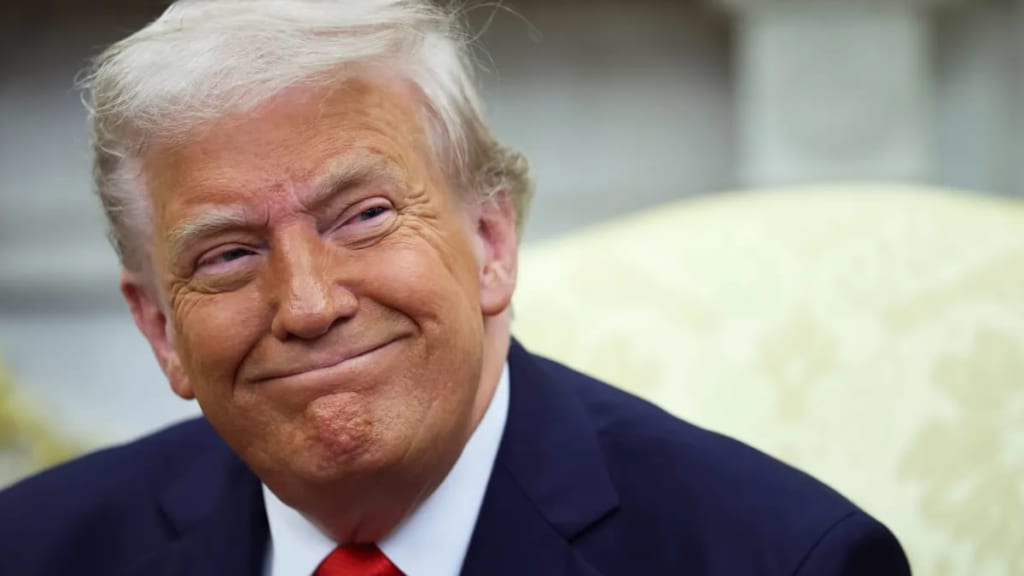
In a historic move that marks the most significant shift in federal marijuana policy since the Nixon era, President Donald Trump has signed an executive order directing the Attorney General to reschedule cannabis under the Controlled Substances Act (CSA). This directive moves cannabis from Schedule I—a category for drugs deemed to have "no accepted medical use" and a high risk of addiction, like heroin—to Schedule III, which includes substances with "moderate to low potential" for addiction, such as Tylenol with codeine and ketamine.
While the initiative originated during the Biden administration, Trump embraced the decision, framing it as a compassionate response to the needs of Americans suffering from chronic pain, aggressive cancers, and other debilitating conditions. "We have people begging for me to do this," Trump stated, highlighting the relief this could bring to veterans and older Americans. However, the implications of this executive order extend far beyond patient access, promising to reshape the cannabis industry, medical research, and the tax landscape.
Unlocking Research and Medical Legitimacy
For over five decades, the Schedule I classification effectively stifled federal research into marijuana. By moving it to Schedule III, the government acknowledges cannabis has a "currently accepted medical use." This reclassification is expected to open the floodgates for research funding, clinical trials, and pharmaceutical regulation.
Dr. Brooke Worster, chief medical officer at Ethos, is optimistic that this change will allow for regulated studies to determine specific formulations and dosing that are most helpful for patients, as well as to better understand potential side effects. There is also hope that this move could eventually lead to health insurance coverage for medical cannabis patients, legitimizing the industry as a bona fide part of the healthcare system.
The executive order also proposes allowing Medicare recipients access to cannabidiol (CBD), a non-psychoactive compound. This could be a significant boon for the CBD market, especially for seniors, a demographic Trump has specifically targeted with his messaging.
Economic Relief: The End of the 280E Tax Burden
Perhaps the most immediate and tangible impact for the cannabis industry is the relief from IRS Code Section 280E. This provision prohibits businesses "trafficking" in Schedule I or II substances from deducting standard business expenses. Consequently, state-legal cannabis operators have faced effective tax rates as high as 70 to 80 percent.
Moving cannabis to Schedule III eliminates this punitive tax burden. Vince Ning, CEO of Nabis, predicts this will return 10 to 15 percent to companies' bottom lines, fueling a surge in marketing, research, and development. "There’s going to be a lot more innovation, because now those are all deductible costs," Ning explained. This financial reprieve could be a lifeline for small cannabis businesses that have struggled to survive under the weight of federal tax codes.
The Double-Edged Sword: Regulation and Big Pharma
Despite the jubilation, experts urge cautious optimism. Rescheduling is not full legalization or decriminalization. It does not automatically make products safer or more affordable for consumers, nor does it protect patients from housing or employment discrimination based on cannabis use.
Furthermore, the entry of federal agencies like the FDA into the regulatory picture creates a new "wild card." Jeffrey Miller, CEO of HoneyProjects, warns that while the demise of 280E is a victory, reclassification could become a tool for "Big Pharma or federal regulators to preempt state-legal systems." There is a palpable fear among some entrepreneurs that strict FDA regulations could favor large pharmaceutical companies over existing state-legal operators, potentially altering the landscape of the $38 billion sector.
Ultimately, while Trump's executive order is a monumental step towards aligning federal policy with political and scientific realities, it leaves many questions unanswered. Whether this reform will primarily benefit patients and small businesses or pave the way for corporate consolidation remains to be seen. For now, however, the cannabis industry is breathing a collective sigh of relief as it steps out of the shadow of Schedule I.
About the Creator
Matthew Ma
Ecigator is one of the best ISO-certified disposable vape manufacturers for OEMs, ODMs, and OBM since 2010.
Keep reading
More stories from Matthew Ma and writers in Lifehack and other communities.
UK Disposable Vape Ban Explained: Why They're Banned & What It Means for Vapers
The familiar sight of brightly colored, flavor-packed disposable e-cigarettes, or "vapes," on shop shelves across the UK is now a thing of the past. As of June 1, 2025, a nationwide ban on the sale and supply of all single-use disposable vapes has come into force. This significant legislative action, implemented across England, Scotland, Wales, and Northern Ireland, aims to tackle two pressing national concerns: the alarming rise in youth vaping and the substantial environmental damage caused by these throwaway devices. This guide unpacks why this ban has been introduced, what it specifically covers, the penalties for non-compliance, and the broader context of vaping and health in the UK.
By Matthew Ma9 months ago in Lifehack
I Learned How to “Read” a Book in Just One Hour—And Still Remember Everything
For years, I believed reading a book properly meant going through every single page, line by line, without skipping anything. It felt like a rule you weren’t allowed to break. If you skipped parts, you weren’t really reading—you were cheating.
By Lukáš Hrdlička7 days ago in Lifehack
10 Simple Habits for Strong Teeth and Healthy Gums
Maintaining good oral health is essential not only for a bright smile but also for overall well-being. Your mouth is the gateway to your body, and poor oral hygiene can lead to various health problems such as gum disease, tooth decay, and even infections that may affect other parts of the body. Fortunately, taking care of your teeth and gums does not require complicated routines. With a few simple daily habits, you can keep your mouth healthy for years.
By Nenci Gajera about 23 hours ago in Lifehack



Comments
There are no comments for this story
Be the first to respond and start the conversation.