
Things To Know About Shortness of Breath
Why do I feel like I can't take a deep breath?

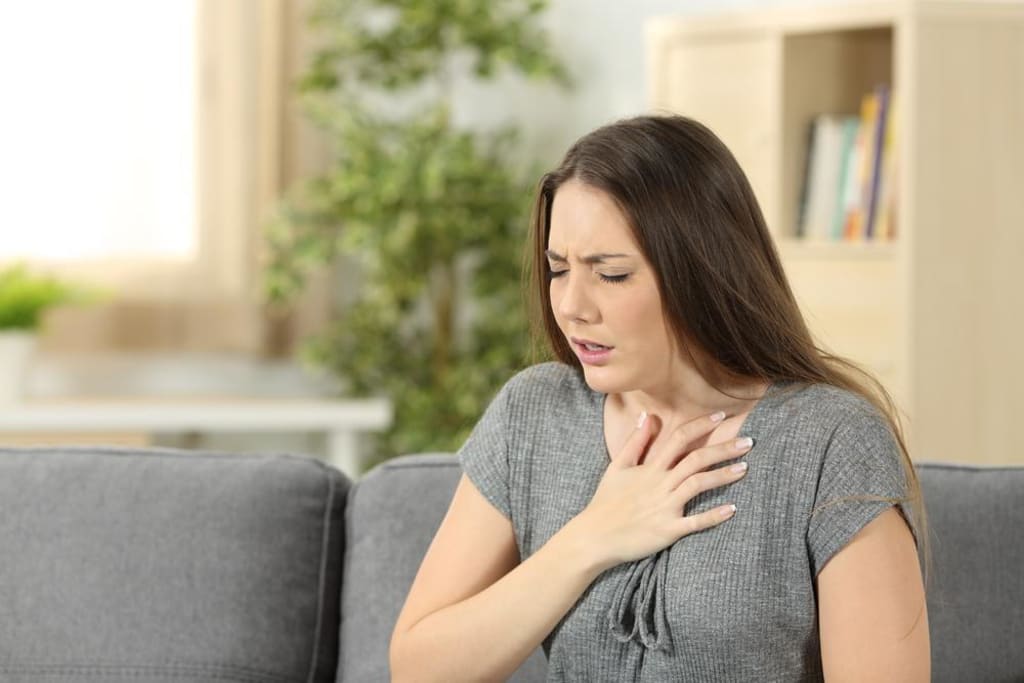
Shortness of breath – medically known as dyspnea – is often described as a feeling of tightness in the chest, difficulty breathing or a feeling of suffocation.
Extreme temperatures, very vigorous exercise, obesity and high altitudes can all cause shortness of breath in otherwise healthy people. Beyond these examples, shortness of breath may be a sign of a medical problem.
If you experience shortness of breath for no obvious reason, especially if it comes on suddenly and is severe, see a doctor immediately.
What Causes Shortness of Breath?
You may feel short of breath if you are overweight, or if you have just done heavy exercise. The less fit you are, the more short of breath you will feel when you exert yourself. You may also feel short of breath if you are pregnant or at high altitudes. Health problems that can cause shortness of breath include:
- heart problems, such as heart attack or heart failure
- lung problems, such as asthma, chronic obstructive pulmonary disease (COPD) or lung cancer
- panic or anxiety attacks
- infections of your respiratory tract, such as croup, bronchitis, pneumonia, COVID-19, flu or even a cold
- pulmonary embolism
- allergic reaction
- anemia
The symptoms depend on what's causing your shortness of breath. If your breathing problems are caused by a cold or chest infection, you may also experience cough, fever, sore throat, sneezing, runny nose, and nasal congestion.
If the problem is with the lungs, you may experience a cough, a lot of mucus, or wheezing sounds when breathing. Your symptoms may get worse when exercising, or at night.
If the problem is related to your heart, you may experience difficulty breathing during activity (physical effort) or when lying down. You may also experience chest pain, swollen legs, or a racing heart. You may feel dizzy and nauseous.
If the problem is a panic attack, you may also experience a fast heartbeat, sweating and shaking, nausea, dizziness, and feeling very anxious or stressed.
Shortness of breath is the uncomfortable feeling that you are running out of the air or are not able to breathe deeply enough and feel “air hungry.” This may occur when walking, climbing stairs, performing daily activities like cooking or cleaning, or even while sitting still. Shortness of breath can come on gradually over weeks or months or occur suddenly. If chest pain or pressure, fainting or nausea accompanies shortness of breath, you should treat this as a medical emergency and contact 9-1-1 or go to your nearest hospital.
Treatment for Short of Breath
Shortness of Breath Treatment will depend upon the cause of the problem. People who experience short breaths due to overexertion will probably get their breath back once they stop and relax.
In more serious cases, a person may need supplemental oxygen. Those with asthma or COPD may have an inhaled rescue bronchodilator to use when needed. However, not everyone with short breath will have low blood oxygen levels.
For people with chronic conditions, such as COPD, a healthcare professional will work with the individual to help them breathe more easily. This will involve developing a treatment plan that helps to prevent acute episodes and slow down the progression of the disease overall.
Shortness of Breath Prevention
People with dyspnea can take steps to improve their overall health and give themselves more breathing space. These include:
- avoid second-hand smoke wherever possible
- quit smoking
- exercise to strengthen the cardiovascular and respiratory systems
- Avoid other environmental triggers such as chemical fumes and wood smoke
- taking time adjusting to higher altitudes taking time adapting to higher altitudes
About the Creator
Rossa
I am an ordinary woman with 2 children who live under the sun, same as you.
Blog: Happy Woman


Comments (1)
Hey, just wanna let you know that this is more suitable to be posted in the Longevity community 😊