
The universal trigger for fear is the threat of harm, real or imagined.
When there is a genuine or imagined threat of harm - either physical, emotional, or psychological - fear develops.

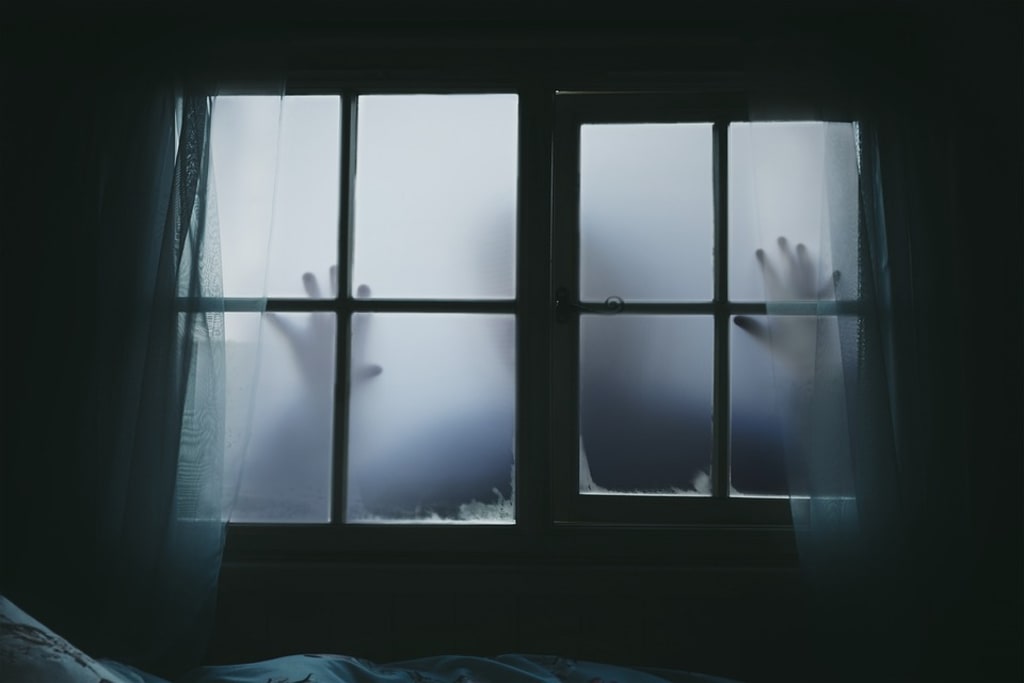
We refer to our emotional response to something that appears harmful as being in fear. However, the word “fear” is also used to describe something that a person frequently feels fearful of. When something or someone makes them feel unsafe or uncertain, people become afraid.
One of the seven emotions that affect everyone on the planet is fear.
Although fear is typically regarded as a “bad” feeling, it actually plays a crucial part in keeping us safe since it prepares us to deal with impending danger. Our physical, emotional, or psychological health may be at risk. While most of us have particular things that make us fearful, we can learn to be scared of almost anything.
Fear triggers:
. Darkness or loss of visibility of surroundings
. Heights and flying
. Social interaction and/or rejection
. Snakes, rodents, spiders and other animals
. Death and dying
. Difference between Anxiety and Fear :
If we experience consistent worry without understanding why, it may be referred to as anxiety rather than persistent terror. We are unable to remove oneself or the real threat from the circumstance because we are unable to recognize the trigger.
Although anxiety is a common emotion for many people, it can be diagnosed as a disease when it is frequent, chronic, severe, and interferes with daily activities like work and sleep.
Faces Of Fear :
Vocalizing one’s fear :
One’s voice often has a higher pitch and a more strained tone when they are experiencing fear. A person may also yell.
Feelings of dread :
Shortness of breath and a feeling of chilly are frequent sensations. Additionally, it could cause shaking, sweating, and a tightening of the muscles in the arms and legs.
Pose of dread :
The posture of dread might either be one of moving away or freezing — mobilizing or immobilizing.
Phobias :
A phobia is a specific dread or anxiety about a certain thing or circumstance that, upon exposure, causes the sufferer to become fearful or distressed. People with specific phobias typically understand that there is no genuine cause to be afraid and that their conduct is illogical, and the level of terror they experience is almost always disproportionate to the actual risk the object or event poses. They are unable to control their response, though.
. Fears of the environment, such as a fear of storms or heights (acrophobia). Fear of the dark and the fear of fire are further phobias (nyctophobia).
. Fears of needles (trypanophobia), blood (hemophobia), damage, and injection, as well as dental work and other medical operations (dentophobia).
. Situational phobias, including the dread of flying (aerophobia), the fear of speaking in front of groups of people (glossophobia), or the fear of travelling in elevators (which is a kind of the phobia of enclosed spaces) (claustrophobia).
. Others, such as a fear of vomiting or choking.
Emotional Response:
On the other hand, each person’s reaction to fear is very unique.
Feeling fear in certain conditions, such as when you watch scary movies, can be perceived as fun because it triggers some of the same chemical reactions in our brains as good emotions like happiness and enthusiasm do.
. Some people live for extreme sports and other thrill-seeking circumstances that make them anxious.
. Some people react negatively to the emotion of fear and avoid frightening situations at all costs.
Although the physical reaction is the same, the experience of fear may be perceived as either positive or negative, depending on the person.
Symptoms of Fear :
Fear often involves both physical and emotional symptoms. Each person may experience fear differently, but some of the common signs and symptoms include:
1. Chest pain
2. Chills
3. Dry mouth
4. Nausea
5. Rapid heartbeat
6. Shortness of breath
7. Sweating
8. Trembling
9. Upset stomach
Experiencing persistent and excessive feelings of fear :
If your feelings of fear are extreme and persistent, speak with your doctor. In order to make sure that your worry and fear are not caused by an underlying medical problem, your doctor may undertake a physical examination and blood testing.
. Your doctor will also inquire about your symptoms, including their duration, severity, and circumstances that often bring them on.
. Your doctor may determine that you have an anxiety disorder such a phobia based on your symptoms.
Treatment of Fear:
Familiarity, which results from repeated exposure to identical circumstances, can significantly lessen both the terror response. Some phobia treatments use this strategy as its foundation since it works to gradually reduce the fear reaction by making it feel familiar. Treatments for phobias that are based on the psychology of fear frequently include methods like flooding and systematic desensitization.
Both methods diminish fear by influencing your body’s physiological and psychological reactions.
How to cope up with your Fear :
You can also take actions to assist you deal with fear in daily life. These methods concentrate on controlling the negative behavioral, emotional, and bodily impacts of fear.
Among the things you can accomplish are:
. Obtain social assistance.
. You can better control your feelings of dread by surrounding yourself with encouraging people.
. Engage in mindfulness.
. Even if you can’t always control your emotions, mindfulness can help you control them and replace unhelpful thoughts with constructive ones.
. Use stress-reduction methods including progressive muscle relaxation, visualization, and deep breathing.
. Take good care of yourself.
. Eat healthily, exercise frequently, and get enough sleep each night.
Impact of Fear and Anxiety :
Humans experience the emotion of fear when they perceive a threat. Our bodies get a basic survival signal when there is danger, telling us to either fight or flee. As a result, it plays a crucial role in keeping us secure.
However, those who constantly live in dread, whether due to actual or imagined threats, can suffer detrimental effects in all facets of their lives and ultimately lose their ability to function.
Impact of chronic fear:
Living in chronic danger has detrimental effects on one’s health.
Physical health : Fear impairs our immune system, weakens the heart, and increases the risk of ulcers, irritable bowel syndrome, and diminished fertility. It may cause early mortality or even hastened ageing.
Memory : Long-term memory development can be hindered by fear, and it can also harm some brain regions, including the hippocampus. Due to this, managing fear may become even more challenging, and a person may become nervous most of the time. Someone who experiences chronic fear perceives the world as dangerous, and their memories support this.
Brain processing and reactivity : Our ability to control our emotions, read nonverbal cues and other indications, contemplate before acting, and act morally can all be interfered with by fear. This has a negative effect on our thinking and decision-making, making us more prone to strong emotions and impulsive behaviors. All of these impacts may prevent us from acting as we should.
Mental health : Long-term fear can also lead to exhaustion, severe depression, and PSTD.
How to overcome to your fear? :
Therapy might be helpful when a person’s life is disrupted or taken over by fear.
Exposure therapy, in which a therapist helps the client progressively and frequently deal with the cause of their phobia in a secure environment to help remove the threat associated with it, is a key component of treating fears. For instance, a person with a phobia of flying might be encouraged to consider aero planes, see images of aero planes, go to an airport, board an aero plane, and eventually finish a flight.
Exposure therapy is frequently used in conjunction with cognitive behavioral therapy (CBT) to assist patients in challenging and reframing their negative beliefs. In the short term, typically in response to an emergency, medications such beta-blockers, which inhibit adrenaline and lower heart rate and blood pressure, may be recommended.
Fear is an important human emotion that can help protect you from danger and prepare you to take action, but it can also lead to longer-lasting feelings of anxiety. Findings ways to control your fear can help you better cope with these feelings and prevent anxiety from taking hold.
Regards :
Ambreen Javed
About the Creator
Ambreen Javed
I am fond of writing. My writing perspective is to provide readers such readings which are good for their brain, introduces them new ideas, improves their conversational skills, self-discipline and consistency.
Thank you !
Keep reading
More stories from Ambreen Javed and writers in Lifehack and other communities.
Hope is a sentiment of eagerness and anticipation for a specific event.
Its definitions as a verb include “to treasure a desire with anticipation” and “anticipate with confidence.” Depending on who is speaking, the concept of hope might vary. When individuals use the word “hope” in a spiritual context, they may signify having confidence in a higher force and hoping for the best.
By Ambreen Javed3 years ago in Lifehack
Absolutely 100% Free Stuff With No Shipping Costs
In a world where everything seems to come with a price tag—including “free” offers that sneak in unexpected shipping fees—it can feel impossible to get truly free items. But with the right strategies, resources, and platforms, it is completely possible to score legitimate, 100% free stuff with no shipping costs or hidden charges. Whether you're looking to save money, reduce waste, or simply love the thrill of discovering freebies, this guide will walk you through the best ways to find authentic no-cost items online and in your local community.
By Master Binz5 days ago in Lifehack
Complete Guide to Wi-Fi Password Recovery & Protection
Understanding Wi-Fi Security Forgetting your Wi-Fi password is a common frustration in our connected world. This comprehensive guide explores legitimate methods to recover lost Wi-Fi credentials while emphasizing network security best practices. Whether you're a homeowner locked out of your network or an IT professional assisting users, this article provides ethical solutions while reinforcing the importance of protecting wireless networks from unauthorized access.
By Alexander Hoffmann4 days ago in Lifehack


Comments
There are no comments for this story
Be the first to respond and start the conversation.