
Hope is a sentiment of eagerness and anticipation for a specific event.
A mood of optimism known as hope is based on the anticipation of favorable results from events and situations in one's own life or the wider world.

Its definitions as a verb include “to treasure a desire with anticipation” and “anticipate with confidence.”
Depending on who is speaking, the concept of hope might vary. When individuals use the word “hope” in a spiritual context, they may signify having confidence in a higher force and hoping for the best.
They could use prayer to focus their hopes on others. Others may see this as constantly seeing the positive side of things and viewing obstacles as opportunities. In other words, “hoping for the best” at all times. According to Merriam-Webster, “hope” and “wish” are similar words:
“To treasure a desire with expectation: to wish for something to occur or be true.”
Regardless of the specifics, hope is an overall desire for things to improve and a strong yearning for that improved state.
Although hope is definitely a subjective sensation that can be difficult to explain, it is difficult to deny the importance of hope and the beneficial effects it can have on people’s lives. People frequently talk about how hope helps them stay strong, sticks by them even in their darkest hour, and helps them through situations that appear hopeless.
Difference between Hope and optimism :
Optimism and hope are not the same thing. In general, an optimist has greater hope than others. The most pessimistic person you’ve ever encountered, though, can still have hope for anything. Hope tends to be quite narrowly focused on a single problem.
Hope is a kind of bridge that connects your history, present, and future. You envision what you want to take place. Even just imagining it can make you feel better, whether or not it actually does. Hope can spur you on to take the necessary action if it’s something you can somewhat influence, like the children fighting to escape poverty.
Author of a book about emotions Dr. Neel Burton said that he always asks patients what they hope for because if they respond with “nothing,” that is a sign of sadness or worse.
The basic act of being a human being depends on hope.
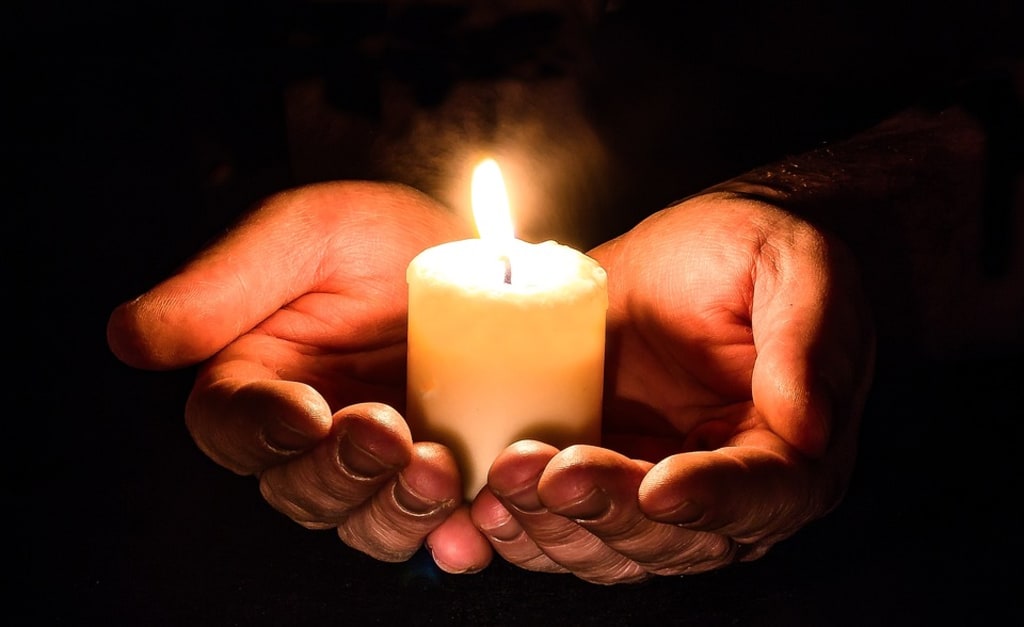
Hope, according to Dr. Judith Rich, “is a match in a dark place.”
According to religion :
In the majority of the world’s main faiths, the concept of hope is central, frequently denoting the “hoper’s” belief that a person or a group will experience the concept of paradise.
Hope can be viewed as a requirement for and/or byproduct of spiritual achievement, depending on the faith.
Hope motivates us :
Hope keeps us motivated to work toward our objectives and devoted to them. Despite the unpredictability of human existence, hope provides people a cause to keep fighting and believe that their current situation will better.
The dangers of false hope :
When it comes to hope, there are dangers to watch out for. The risks of false hope are the main focus of criticisms of hope research. People frequently seek to change themselves while repeatedly failing to modify some parts of their behavior, which can lead to a cycle of failure marked by inflated expectations about the expected pace, quantity, ease, and outcomes of such attempts (Polivy & Herman, 2002).
Difference between hope and wishing :
Although there is a difference between hope and wishing in that both involve a relatively low likelihood of the event happening, people tend to desire for outcomes that have little to no chance of happening. Despite having some similarities, these constructions are substantially different from one another. Hope can inspire a goal-oriented desire for the future, while want alone is less focused and can extend in many ways, including the past, present, and future.
Critical factors and hope :
Numerous situations and feelings can undermine hope. For instance, hopelessness may develop when it seems impossible to control how a situation will turn out. Being unable to bring about the kinds of improvements people want in their lives is the biggest threat to hope.
Additionally important to the growth of optimism is support. While a lack of support can result in loneliness, hopelessness, and a lack of ambition, a person with a strong support system is more equipped to see promising futures.
What Are The Health Benefits Of Hope :
Happiness and hope go hand in hand.
An examination of 360 undergraduates’ replies revealed a substantial relationship between hope, extroversion, and social support and happiness.
Hope also served as a mediator in the relationships between extroversion, social support, and happiness.
According to research, those with high hope scores have superior psychological well-being. Lower levels of despair and anxiety and increased levels of happiness and wellbeing follow from this. People with high hopes have been found to fare better with cancer, severe arthritis, burn injuries, spinal cord injuries, and even burns.
Psychology Of Hope :
In positive psychology, hope refers to the general conviction that objectives are reachable via beliefs and efforts. To have hope is to have the power and the means to pursue your objectives. Hope is viewed by positive psychology as having optimistic aspirations for the future.
However, each person’s experience with hope is unique. Hope is not static; it changes as conditions change and people reevaluate their goals.
Hope Theory: The Will And The Ways Of Hope :
Goals : Goals are “activity caused by purpose,” according to Aristotle. Finding worthwhile and attainable goals is the first step.
Pathways: Locating means (pathways) to achieve your objectives. Understanding how one item might lead to another is known as “pathways thinking.”
Agency : Agency is the conviction and tenacity that you can transform yourself, get beyond challenges, and accomplish your objectives. Agility is the conviction that you can influence events.
What is ‘spiritual hope? :
Hope is an awareness of what is possible inside of you, not a destination.
Sarmiento defined spiritual hope as believing in what you already possess and nourishing the inner metaphorical seeds to foster personal development. They claimed that when we are in need, “we frequently look to others or to things outside of ourselves to take care of us or solve our issues.”
Spiritual hope involves putting our faith and trust in our own inner resources so that we won’t be affected by whatever is going on in the outside world. Recognizing your own inherent goodness and how you relate to the world around you is the process of finding spiritual hope.
The healing power of hope :
Viktor Frankl, an Austrian Holocaust survivor of Auschwitz and founder of existential theory and psychoanalysis, famously asserted in his book “Man’s Search for Meaning” that it is possible to discover meaning and hope even in the most difficult circumstances.
In fact, there is a lot of data to suggest that hope can be a coping tool for those who are going through terrible times, especially those who have cancer.
According to a 2010 study, hope is “essential resource” for cancer patients and has a favorable effect on their quality of life. Another 2021 study claims that optimism may aid in boosting survival rates.
Tips to invite ‘spiritual hope’ into your life :
It sounds easier said than done to awaken to the strength of the hope that resides inside you, but with practice, it might be feasible.
Here are some suggestions for increasing your level of hope.
Acknowledge your feelings:
. recognizing them
. understanding how they live in your body
. examining their overall impact on your life
Practice self-compassion :
During challenging circumstances, self-compassion is essential. It’s completely acceptable to acknowledge that you won’t always be able to present yourself in the greatest light.
Learning to see clearly, deciding what matters to you most, and organizing your life accordingly are all steps in the process of awakening to the power of hope.
Keep in mind that the road to development and healing is not straight. The process of learning, forgetting, and remembering is ongoing.
It is possible to change, but only if we are willing to.
Regards :
Ambreen Javed
About the Creator
Ambreen Javed
I am fond of writing. My writing perspective is to provide readers such readings which are good for their brain, introduces them new ideas, improves their conversational skills, self-discipline and consistency.
Thank you !
Keep reading
More stories from Ambreen Javed and writers in Lifehack and other communities.
The Most Common Home Gym Equipment Mistakes — and How to Avoid Them
Buying home gym equipment should feel like a step toward better health and freedom. Instead, many people end up with expensive machines collecting dust, cluttering their space, or breaking far sooner than expected. Most of these problems aren’t caused by bad intentions — they come from a handful of very common mistakes.
By Enrique Navarro7 days ago in Lifehack



Comments (1)
Excellent sharing.ur writting light up my thoughts.highly appreciated.