
The Ultimate Seed Nutrition Guide: How to Unlock the Power of Nature's Tiny Superfoods
Unlock the secrets of seed nutrition: Discover the ultimate guide to nature's tiny superfoods.
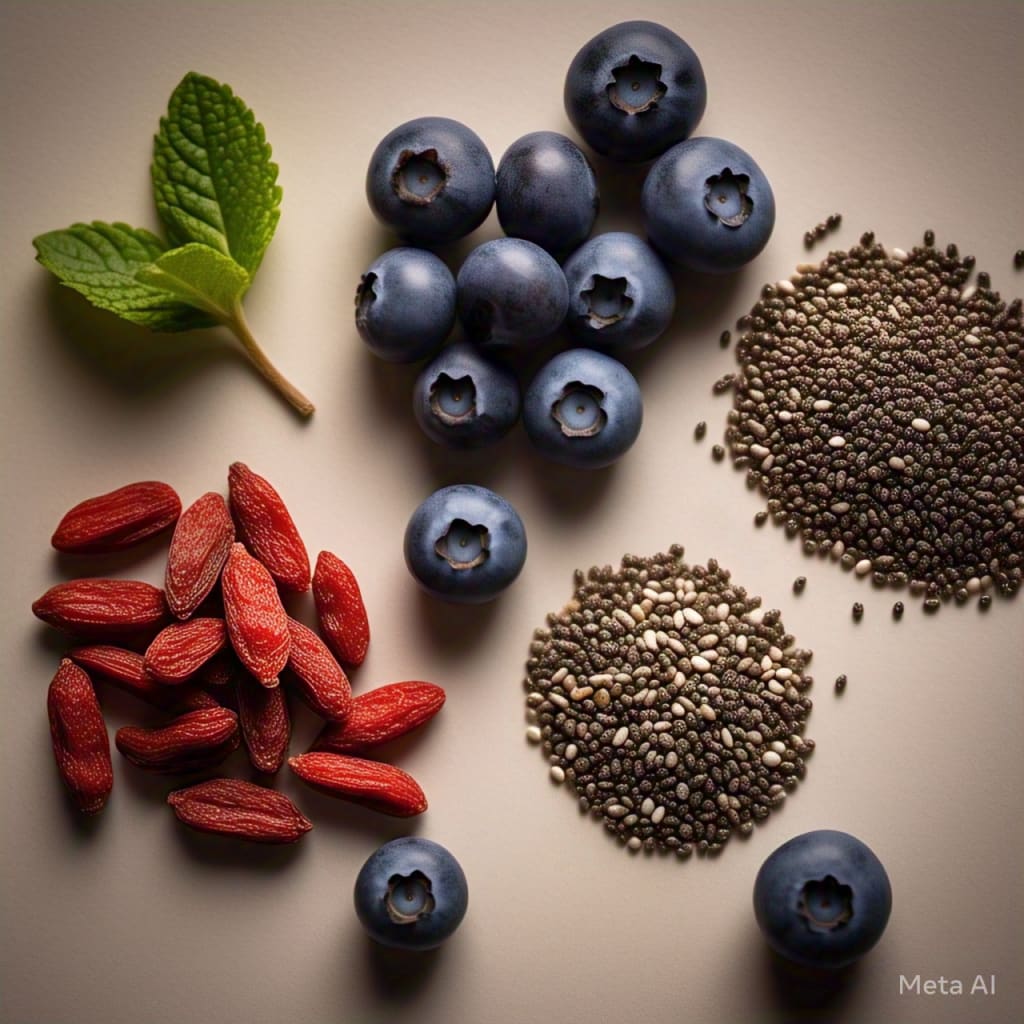
Seeds may be small, but they’re packed with an incredible amount of nutrition. These tiny powerhouses are rich in fiber, healthy fats, protein, vitamins, and minerals, making them a must-have in any healthy diet. Whether you’re looking to boost your energy, improve digestion, or support heart health, seeds have got you covered. In this comprehensive guide, we’ll explore the nutritional benefits of popular seeds like chia, flax, pumpkin, sunflower, and hemp, share tips on how to use them, and answer some common questions about these superfoods.
Why Seeds Deserve a Spot in Your Diet
Seeds are nature’s way of packing a ton of nutrients into a small package. They’re versatile, easy to incorporate into meals, and offer a wide range of health benefits. From improving gut health to reducing inflammation, seeds are a simple yet powerful addition to any diet. Let’s dive into the nutritional profiles of some of the most popular seeds.
1. Chia Seeds: The Energy Boosters
Chia seeds are a favorite among health enthusiasts, and for good reason. These tiny black and white seeds are loaded with omega-3 fatty acids, fiber, and protein.
Nutritional Benefits:
High in fiber, which supports digestion and keeps you full.
Rich in omega-3s, which promote heart and brain health.
Packed with antioxidants that fight inflammation.
How to Use: Add to smoothies, yogurt, or oatmeal, or make chia pudding.
2. Flaxseeds: The Digestive Heroes
Flaxseeds are a fantastic source of fiber and omega-3s, making them a go-to for digestive health. They’re also rich in lignans, which have antioxidant properties.
Nutritional Benefits:
Improves digestion and prevents constipation.
Reduces inflammation and supports heart health.
Promotes hormonal balance.
How to Use: Sprinkle ground flaxseeds on salads, oatmeal, or baked goods. You can make flaxseed smoothie too
3. Pumpkin Seeds: The Sleep Supporters
Pumpkin seeds are packed with magnesium, zinc, and fiber, all of which support a healthy digestive system and promote relaxation.
Nutritional Benefits:
Enhances sleep quality due to high magnesium content.
Boosts immune function with zinc.
Supports prostate and bladder health. Its a superfood for men.
How to Use: Enjoy as a snack, or add to trail mix, salads, or soups.
4. Sunflower Seeds: The Mood Lifters
Sunflower seeds are a great source of vitamin E, selenium, and magnesium, all of which play a role in supporting brain health and lifting your mood.
Nutritional Benefits:
Reduces stress and anxiety.
Supports skin health with vitamin E.
Promotes heart health with healthy fats.
Its very good for weight loss
How to Use: Sprinkle on salads, blend into nut butter, or eat as a snack.
5. Hemp Seeds: The Protein Powerhouses
Hemp seeds are a complete protein, meaning they contain all nine essential amino acids. They’re also rich in omega-3 and omega-6 fatty acids.
Nutritional Benefits:
Supports muscle repair and growth.
Reduces inflammation and promotes healthy skin.
Boosts heart health with healthy fats.
How to Use: Add to smoothies, salads, or baked goods, or use hemp seed oil in dressings.
How to Incorporate Seeds into Your Diet
•Smoothies: Blend chia, flax, or hemp seeds into your favorite smoothie.
•Baking: Add seeds to muffins, bread, or energy bars.
•Snacks: Enjoy pumpkin or sunflower seeds as a quick, healthy snack.
•Salads: Sprinkle seeds on top of salads for added crunch and nutrition.
•Yogurt or Oatmeal: Mix seeds into yogurt or oatmeal for a nutrient-packed breakfast.
Tips for Maximizing the Benefits of Seeds
•Grind Flaxseeds: Ground flaxseeds are easier to digest and absorb than whole seeds.
•Soak Chia Seeds: Soaking chia seeds in water or milk helps them form a gel-like consistency, which is great for digestion.
•Store Properly: Keep seeds in an airtight container in the fridge to prevent them from going rancid.
•Start Small: If you’re new to seeds, start with small amounts and gradually increase to avoid bloating.
FAQs About Seed Nutrition
1. How much seeds should I eat daily?
Aim for 1-2 tablespoons of seeds per day to reap their health benefits.
2. Can I eat seeds raw?
Yes, most seeds can be eaten raw, but roasting them can enhance their flavor.
3. Are seeds good for weight loss?
Yes! Seeds are high in fiber and protein, which help keep you full and support weight loss.
4. Can I eat seeds if I have nut allergies?
Seeds are generally safe for people with nut allergies, but always consult your doctor if you’re unsure.
5. Do seeds expire?
Yes, seeds can go rancid over time. Store them in an airtight container in the fridge to extend their shelf life.
About the Creator
Anu Singh
I am an engineer converted to a content writer.
I love to write on Life skills, motivational topics, teens wellbeing, Art & Style, Good health , Interview Skills, Finance, AI Tools , Astrology Calculators
How to Build a Home Gym You’ll Actually Use (Not One That Collects Dust)
Building a home gym sounds simple: buy some equipment, set it up, and train whenever you want. In reality, many home gyms end up unused after the initial excitement fades. The problem usually isn’t motivation or discipline—it’s design.
By Enrique Navarro7 days ago in Lifehack
If You’ve Always Done What You’ve Always Done
At the start of 2025, I started to post articles on my website under the category of ’52 Guiding Lights.' The goal was to share insights on sayings and idioms that aid daily life. I got up to number 16. The goal is to publish these as a management aid. However, we plan to release them in smaller batches, such as 12 at a time. That’s a year’s worth.
By Calvin London2 days ago in Lifehack
How, Too
Many people wonder how, too. You are not alone, and I am an expert. I will teach you how, too! First, you need to remit a small application fee and fill out an application describing the nature of your financial situation and how often payments will be made, as this will have great bearing on how well I teach you how, too.
By Harper Lewis3 days ago in Fiction



Comments (1)
Congress good work