
The Secret Life of Secrets: A Deconstruction
The Secret Life of Secrets: A Deconstruction
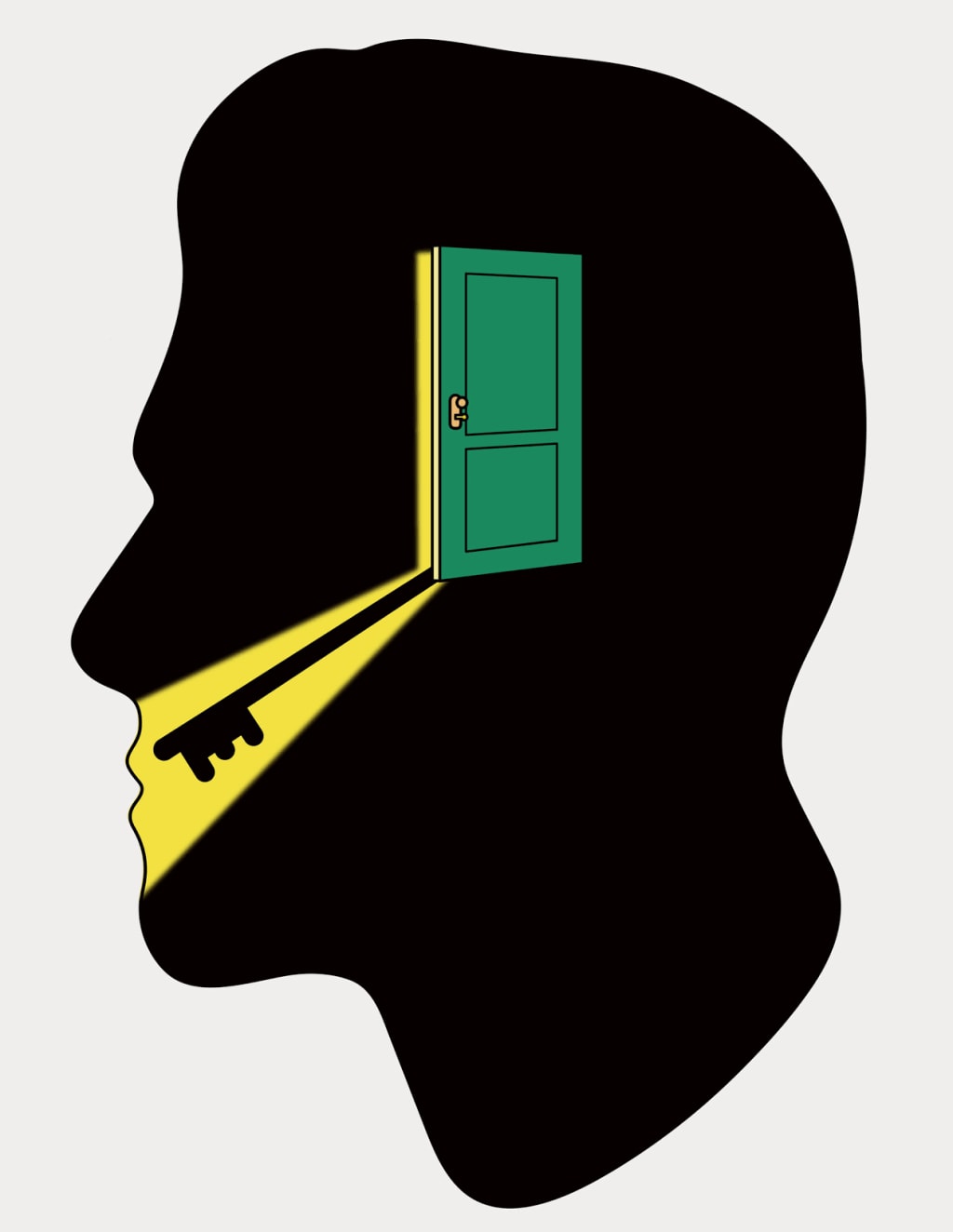
* Exactly what is a "secret"?
I define secrecy as the purposeful withholding of information from one or more individuals. The secret is in the information itself. It still counts as a secret if you want to keep it hidden from others, even if you haven't lately had to do so in discussion.
*Is keeping a secret from yourself unhealthy?
The negative effects of keeping a secret seem to come from having to deal with it alone in your thoughts rather than trying to conceal it in social situations. It is more difficult to cope without help or advice when a person's thoughts frequently turn to their secret. We often don't establish the healthiest methods of thinking about something when we're by ourselves, especially when it's something detrimental or annoying.
*What distinguishes privacy from secrecy?
There are many things that are not secrets that we don't talk about. It affects many people's sexual life. They may not be deliberately withholding anything from you; they simply believe that we don't discuss things like this. However, if a close friend or family member asked me a question about it, I would respond. If you wouldn't respond to that inquiry or if you intended to keep the knowledge hidden in case it ever came up, it is a secret.
*Which form of secrecy is the hardest to keep?
The most difficult secret to maintain is the one you consider often.
The three main categories through which people consider their secrets are as follows. One type of secrecy is what we refer to as "social connectedness"—secrets that include other individuals. The morality of the secret is another aspect. A third aspect is how it relates to our objectives, which is frequently our line of work. Every dimension has a distinct damage.
*What are the ideal circumstances for disclosing a secret?
This is a good tactic because, if you pick the proper individual, you can chat about your secret with them while it stays a secret. A person with different morals or someone you believe might be scandalised by what you're telling them is not someone you should confide in because that only happens if they react really negatively. Someone who would approach it similarly to you in terms of the morality of the situation is more likely to keep your secret private.
*Should we be concerned about the burden sharing a secret with a friend will put on them?
People may be happy that someone felt secure enough to share something intimate with them; doing so can deepen our relationships. But that can be challenging if we belong to the same group of friends because we might be thinking about the secret but can't tell those other friends about it. The likelihood that something significant will be revealed to you by a distant relative or friend is low.
*Could you keep the secret until it was revealed if Reese Witherspoon called to say she chose "The Secret Life of Secrets" for her Book Club?
Positive secrets typically have a timetable for when they will be revealed, and since they do, those secrets can be thrilling and exhilarating because they have a deadline. I may therefore be prohibited from discussing this phone call throughout the month of May, but after it is made known to the general public, I may do so in June. How can we take the advantages of positive secrets and apply them to negative secrets, in my opinion, is the key question.
*How does our understanding of secrets change as we become older?
Even young toddlers are aware of the closeness of information exchange. A toddler might respond, "It's someone you share secrets with," when asked what makes someone a best friend. This is due to the fact that kids typically harbour small-scale secrets, and they also benefit from the positive social pressure that comes from telling their peers about their secrets and learning about their friends' secrets. When kids enter their teenage years and suddenly become preoccupied with receiving social approval, things start to appear different and they run the risk of getting into greater problems. At that point, secrecy begins to resemble that of adults, when people are more worried about the repercussions of disclosing knowledge.

About the Creator
Keep reading
More stories from Sanket chute and writers in Lifehack and other communities.
Pregnancy and Motherhood Have Health Benefits
Having children has several benefits beyond the most obvious ones (those precious babies). However, did you know that some of the changes brought on by giving birth can be beneficial for your body, brain, and even your sexual life?
By Sanket chute3 years ago in Lifehack
10 Simple Habits for Strong Teeth and Healthy Gums
Maintaining good oral health is essential not only for a bright smile but also for overall well-being. Your mouth is the gateway to your body, and poor oral hygiene can lead to various health problems such as gum disease, tooth decay, and even infections that may affect other parts of the body. Fortunately, taking care of your teeth and gums does not require complicated routines. With a few simple daily habits, you can keep your mouth healthy for years.
By Nenci Gajera 5 days ago in Lifehack
How AI-Native Browsers are Redefining Digital Freedom and Productivity in 2026
The Evolution of the Modern Browser By 2026, the concept of a web browser has expanded far beyond its original purpose of simply loading web pages. Over the past decade, the internet has evolved into a highly dynamic environment where users manage businesses, automate workflows, and interact with complex digital ecosystems directly from their browsers.
By Shahid Sipra2 days ago in Lifehack
A More Human Vocal
When we launched Vocal nearly a decade ago, the world was a very different place. LLMs did not exist, and stories were created one at a time by people sitting down to write, revise, and share something personal. Many of our assumptions about publishing, trust, and participation were built for a world where effort and output were inseparable.
By Justin @ Vocal5 days ago in Resources

Comments
There are no comments for this story
Be the first to respond and start the conversation.