
The Science-Backed Guide to Losing Weight Fast and Sustainably
No extreme diets. No starving yourself. Just practical, doable changes that make weight loss feel effortless over time.



Losing weight doesn’t have to be confusing. With all the fad diets, detox teas, and quick-fix promises
out there, it’s easy to feel overwhelmed. But sustainable weight loss comes down to proven, science-backed strategies that work for the long term.
No extreme diets. No starving yourself. Just practical, doable changes that make weight loss feel effortless over time.
If you’re looking for real results, here are six simple steps to help you lose weight in a healthy and sustainable way.
1. Eat Protein, H
ealthy Fats, and Vegetables at Every Meal
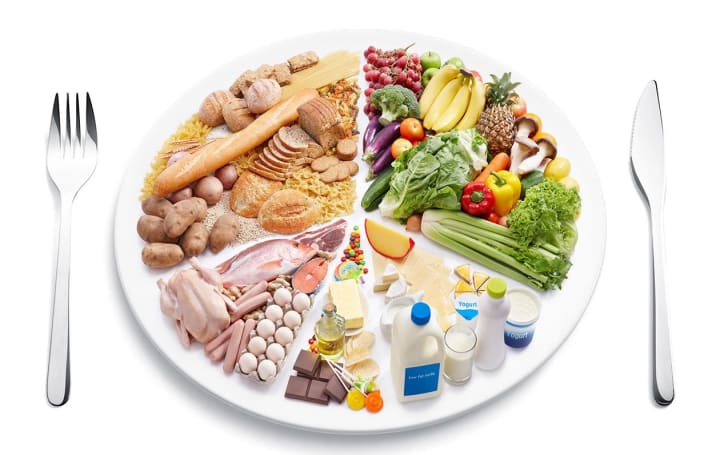
One of the biggest mistakes people make when trying to lose weight is eating too little or the wrong balance of nutrients. To feel full and support your metabolism, focus on meals that include:
- Protein to build and maintain muscle while keeping you satisfied.
- Healthy fats for energy and hormone balance.
- Vegetables for fiber and essential nutrients.
A well-balanced plate should have a palm-sized portion of protein, a small handful of healthy fats, and half the plate filled with vegetables.
Good protein sources include chicken, lean beef, fish, eggs, Greek yogurt, beans, and lentils. Healthy fats come from avocados, olive oil, nuts, and seeds. Vegetables like leafy greens, peppers, zucchini, and green beans are excellent choices.
Avoid relying too much on processed foods, even if they’re labeled "low fat" or "diet." Instead, prioritize whole, minimally processed foods that keep you full for longer.
2. Move More (But Keep It Simple)
Exercise doesn’t have to mean spending hours at the gym. The most effective weight loss strategy is finding ways to move more in your daily life.
The two key types of movement to focus on:
- Strength training at least twice a week to build muscle, which helps boost metabolism.
- Cardio activity such as walking, jogging, cycling, or swimming for heart health and calorie burn.
Daily movement outside of workouts also makes a big difference. Taking the stairs, standing more, and walking during breaks can significantly increase calorie burn without much extra effort.
If you dread structured workouts, try activities you enjoy, like dancing, hiking, or playing a sport. The key is consistency—not perfection.
3. Add More Fiber to Your Diet
Fiber plays a crucial role in controlling hunger and supporting digestion, yet most people don’t get enough of it.
High-fiber foods slow digestion, helping you feel full longer, and they also regulate blood sugar levels, preventing energy crashes that lead to cravings.
The best sources of fiber include:
- Whole grains like oats, quinoa, and brown rice
- Legumes such as lentils, chickpeas, and black beans
- Fruits like apples, berries, and bananas
- Vegetables such as broccoli, carrots, and Brussels sprouts
Aim to include fiber-rich foods at every meal to naturally eat less without feeling deprived.
4. Practice Mindful Eating
One of the biggest reasons people overeat is because they’re distracted while eating. Whether it’s scrolling through your phone, watching TV, or eating in a rush, mindless eating leads to consuming more calories than needed.
To become more mindful about your food:
- Eat slowly and focus on your meal without distractions.
- Recognize the difference between physical hunger and emotional cravings.
- Stop eating when you feel satisfied, rather than when your plate is empty.
- Include a variety of textures and flavors in your meals to make them more enjoyable.
Eating slower allows your body to signal when it’s full, which prevents overeating without needing to count calories.
5. Stay Hydrated (It Affects Your Weight More Than You Think)

Water is essential for digestion, metabolism, and appetite control. Drinking enough water throughout the day can naturally reduce calorie intake by helping you distinguish between thirst and hunger.
Dehydration often leads to fatigue, cravings, and overeating. Many people mistake thirst for hunger, leading to unnecessary snacking.
To stay hydrated:
- Start your day with a glass of water.
- Drink water before meals to help control portion sizes.
- Choose water or herbal tea over sugary drinks and sodas.
- There are some studies which shows the benefits of Coffee in losing weight.
If you find plain water boring, add lemon, cucumber, or mint for flavor. Prioritizing hydration can be one of the easiest ways to support weight loss.
6. Prioritize Sleep (Yes, It Affects Weight Loss)
Lack of sleep throws off hunger hormones, making you more likely to crave high-calorie foods and overeat. It also slows metabolism and makes it harder for the body to burn fat efficiently.
Studies show that people who sleep less than seven hours per night are more likely to struggle with weight gain compared to those who get adequate rest.
To improve sleep quality:
- Aim for at least seven hours of sleep per night.
- Keep a consistent sleep schedule, even on weekends.
- Avoid screens and blue light an hour before bed.
- Create a relaxing bedtime routine, such as reading or stretching.
Better sleep leads to better food choices, improved energy, and more effective weight loss.
Do You Need to Count Calories?
While tracking calories can help some people stay on track, it’s not necessary for everyone. If you focus on eating whole, nutrient-dense foods and paying attention to hunger cues, you can often lose weight without obsessing over numbers.
However, if you feel stuck or not seeing results, tracking your intake for a short period can be a useful tool to spot hidden sources of excess calories.
What matters most is consistency. A sustainable diet should feel enjoyable, not restrictive.
How Quickly Can You Lose Weight?
Many people want rapid results, but healthy, lasting weight loss takes time.
- In the first week, weight loss is often faster due to water weight dropping.
- After that, a steady 0.5 to 2 pounds per week is considered safe and sustainable.
- Losing weight too quickly (like 10 pounds in a week) is usually temporary and often leads to muscle loss and a slower metabolism.
Weight loss is not always linear. Some weeks you might lose more, while others you might hit a plateau. What matters most is sticking to healthy habits over time.
Common Questions About Weight Loss
What’s the fastest way to lose weight?
The most effective way to lose weight is to reduce processed foods, eat more whole foods, increase daily movement, and improve sleep quality. Quick fixes don’t last, but sustainable habits do.
How can I lose belly fat specifically?
You can’t "spot reduce" fat from one area, but overall fat loss through a calorie deficit, strength training, and a high-protein diet will help slim down your waist over time.
What if I stop losing weight?
If you hit a plateau, try adjusting your routine by increasing movement, managing stress, or reassessing portion sizes. Plateaus are normal—don’t get discouraged.
Final Thoughts: Keep It Simple, Stay Consistent
Weight loss doesn’t have to be complicated. If you:
- Eat balanced, whole foods
- Move your body regularly
- Prioritize hydration and fiber
- Get enough sleep
- Listen to your hunger cues
…you’ll create a lifestyle that naturally leads to weight loss without extreme dieting.
A sustainable approach to health and wellness goes beyond just diet and exercise—it’s about understanding how all aspects of your lifestyle contribute to your well-being.
One of the biggest challenges people face in their weight loss journey is staying informed and making mindful choices about the products they use daily, including supplements, skincare, and overall health essentials.
Whether it’s optimizing nutrition, improving sleep, or supporting overall vitality, having access to high-quality, evidence-based products can make all the difference in achieving long-term results.
By prioritizing not only what goes on your plate but also what you put in and on your body, you create a foundation for sustainable health that lasts.
The key is sticking with these habits over time. Small, consistent changes will always beat quick-fix solutions. Stay patient, stay consistent, and trust the process.
About the Creator
sachin sain
I share stories, ideas, and insights that inspire a healthier, more mindful way of living. From wellness and self-growth to sustainability and social impact.
Keep reading
More stories from sachin sain and writers in Lifehack and other communities.
How Stress Affects Your Body and Mind – And What You Can Do About It
Stress is something we all experience, whether it’s from work, relationships, finances, or unexpected life events. In small doses, stress can be a good thing—it helps us stay alert, focused, and ready to tackle challenges. But when stress becomes a constant presence in our lives, it can take a serious toll on our health.
By sachin sain11 months ago in Longevity
Top 5 Best Dreo Humidifier Reviews: Which One is Better?
Dry air packs a wallop and can ruin sleep quickly. If you need the best dreo humidifier, I will refer to Dreo smart models with a humidistat, top-fill tank, and quiet sleep mode. In a word, I look for constant humidity and less daily effort. I reach the determination from spec checks, fresh U.S. buyer trends and pattern review of top complaints, which means you can pick one without confusion.
By Mohammed mamun7 days ago in Lifehack
Bartender
On the heels of grief, pain bears down hard. On the heels of death, pain awakens the quiet place between the end of our own life and now. Feeling anything is like seeing a film and in black and white, slow motion, all sound turned off. Just watching. Gritting teeth, awkward smiles and bloody red eyes move around, scanning the others who are feeling something I don't want to feel, but I do. Escapism is all I have ever known. ~
By ROCK aka Andrea Polla (Simmons)a day ago in Poets




Comments
There are no comments for this story
Be the first to respond and start the conversation.