
The Rise of Smart Air Purifiers
Are They Worth the Investment?

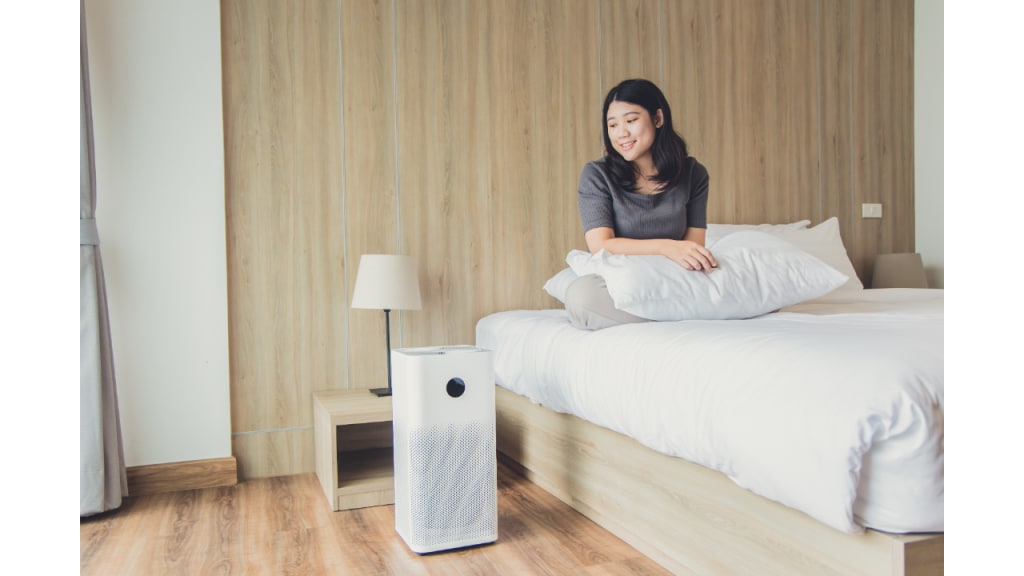
In an age where technology seamlessly integrates into our homes, even the air we breathe is becoming smarter. While many homeowners are familiar with the benefits of a well-maintained HVAC system or a reliable air conditioner repair in Odessa, a new wave of devices is taking indoor air quality to the next level. Smart air purifiers represent a significant evolution from their traditional counterparts, promising not just cleaner air, but a more convenient and data-driven approach to home health. But beyond the flashy features and smartphone connectivity, do these intelligent devices truly offer a worthwhile return on investment? This article explores the capabilities, benefits, and long-term value of smart air purifiers to help you make an informed decision.
A smart air purifier is more than just a fan and a filter. At its core, it is an internet connected device that uses sensors to monitor indoor air quality in real time. These sensors can detect a wide range of pollutants, including fine particulate matter known as PM2.5, volatile organic compounds (VOCs), and allergens like pollen and pet dander. The data collected by the purifier is then sent to a companion app on your smartphone, giving you a detailed breakdown of your home's air quality at any given moment. This level of insight is something that traditional air purifiers simply cannot provide.
The key to a smart air purifier's value lies in its intelligent features. Wi-Fi connectivity allows for remote control, so you can turn the device on or off, adjust fan speed, and set schedules from anywhere. Imagine you are leaving work and want to come home to a fresh environment; you can simply open the app and activate the purifier before you even step through the door. Many models also integrate with voice assistants like Amazon Alexa and Google Assistant, enabling hands-free operation. You can simply command your purifier to change settings while you are busy cooking or relaxing.
Beyond convenience, these smart features contribute to greater efficiency. Many smart purifiers have an auto mode that adjusts their fan speed based on the detected air quality. If the sensors notice a sudden spike in pollutants, perhaps from cooking fumes or dust stirred up by a pet, the purifier will automatically increase its power to quickly clean the air. Once the air quality returns to an optimal level, it will revert to a lower, quieter setting to conserve energy. This eliminates the need for manual adjustments and ensures your home's air is always being managed efficiently.
The benefits of a smart air purifier extend far beyond technological convenience. Improved indoor air quality can have a profound impact on your health and wellbeing. For individuals with allergies, asthma, or other respiratory sensitivities, an air purifier with a true HEPA filter can be a game-changer. These filters are capable of trapping 99.97 percent of airborne particles as small as 0.3 microns, providing significant relief from common irritants. By reducing your exposure to allergens, you can experience fewer symptoms, better sleep, and an overall improvement in your quality of life.
Furthermore, air purifiers equipped with an activated carbon filter can effectively neutralize unpleasant odors. This is particularly useful in homes with pets, smokers, or those that frequently cook with strong smelling ingredients. The data from the smart app can also help you identify patterns and sources of pollution in your home, allowing you to take preventative measures. For example, if you notice a consistent spike in VOCs at a certain time, you might realize it is linked to a specific cleaning product you use, empowering you to choose a healthier alternative.
When it comes to the question of investment, the initial cost of a smart air purifier is often higher than a basic model. Prices can vary widely depending on the brand, features, and the size of the room it is designed to cover. However, the long-term value extends beyond the purchase price. The automated and energy efficient operation can lead to savings on your electricity bill. The real time monitoring and filter replacement reminders, which many smart purifiers provide through their app, ensure the device is always working at peak performance. This proactive maintenance can extend the lifespan of the unit and its filters, saving you money on premature replacements.
Ultimately, the decision to invest in a smart air purifier depends on your personal needs and priorities. If you simply want to clean the air and do not mind manual operation, a traditional purifier may suffice. However, if you are looking for a device that offers convenience, data driven insights, and seamless integration with your smart home ecosystem, a smart air purifier is undoubtedly a worthwhile investment. It is not just about cleaner air; it is about taking control of your home's environment in a way that is both efficient and intuitive. For many, the peace of mind that comes with knowing the air they and their family breathe is consistently clean is a benefit that is truly priceless.
Ready to improve your indoor air quality and take advantage of smart technology? Explore the latest smart air purifiers and discover the perfect solution for your home today.
About the Creator
Keep reading
More stories from The Weekend Project and writers in Lifehack and other communities.
Emergency Preparation
When a winter storm barrels through, bringing with it a deep freeze, the last thing you want to face is a heating system that has given up. Whether you rely on a furnace, boiler, or a modern heat pump, a system failure can turn a cozy home into a dangerous environment. Knowing what to do in the immediate aftermath can make all the difference, especially when a power outage or storm damage might delay professional help. This guide will walk you through the essential steps to stay safe, warm, and protect your home until a qualified technician can perform a crucial heat pump repair or other necessary service.
By The Weekend Project6 months ago in Lifehack
Don't Miss The Fun Extras Offered by Your Favorite Companies
National retailers know the way to a customer’s heart is by giving them a little something extra. Many companies offer customers incentives such as free goodies, sample boxes, and workshops. The problem is that many of the offers aren’t widely advertised. Are you missing out on cool extras from your favorite companies?
By Criminal Mattersabout 18 hours ago in Lifehack




Comments
There are no comments for this story
Be the first to respond and start the conversation.