
Emergency Preparation
What to Do If Your Heating System Fails During a Storm

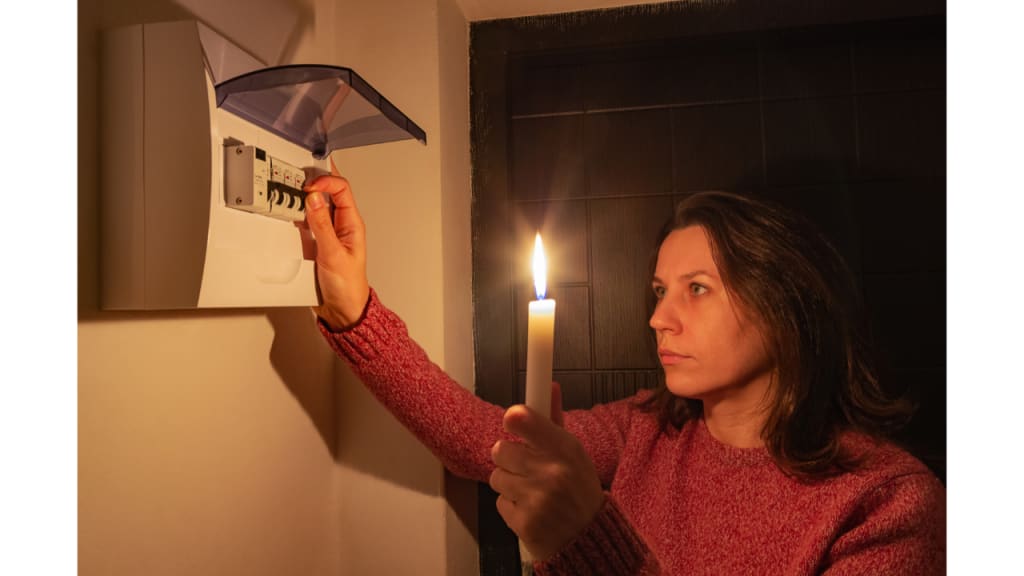
When a winter storm barrels through, bringing with it a deep freeze, the last thing you want to face is a heating system that has given up. Whether you rely on a furnace, boiler, or a modern heat pump, a system failure can turn a cozy home into a dangerous environment. Knowing what to do in the immediate aftermath can make all the difference, especially when a power outage or storm damage might delay professional help. This guide will walk you through the essential steps to stay safe, warm, and protect your home until a qualified technician can perform a crucial heat pump repair or other necessary service.
The first few minutes are critical, and your immediate actions should focus on two priorities: safety and damage control. Before attempting any fixes, put on extra layers of clothing, including warm socks, a hat, and gloves. Gather your family in a single, well-insulated room, preferably one with few windows and an interior wall, and shut the door to contain heat. This simple act of creating a "warm zone" is an effective way to slow heat loss while you assess the situation.
The First Five Minutes: Initial Troubleshooting
Before panicking, perform a few quick checks that can often solve the problem without a service call. Many heating system failures are a result of minor issues that can be easily resolved.
Check Your Thermostat: Is it set to "heat" and the temperature higher than the current room temperature? If the screen is blank, a simple battery change might be all that's needed.
Inspect the Circuit Breaker: Go to your electrical panel and look for a tripped breaker associated with your heating system. It will be in the "off" position. Flip it fully off before flipping it back to the "on" position. If the breaker trips again immediately, do not attempt to reset it. This could indicate a more serious electrical issue, and it's time to call a professional.
Examine the Air Filter: A clogged air filter restricts airflow, forcing your system to overwork and potentially causing it to shut down as a safety measure. If you find a dirty filter, replace it with a clean one.
If these steps do not restore heat, you've likely identified a more complex issue. While you wait for a technician to arrive, you must focus on keeping your home and family safe from the cold.
Safe, Alternative Heating Sources
Do not use outdoor heating appliances, such as charcoal grills or propane heaters, indoors. They produce lethal carbon monoxide gas. Instead, rely on safe, emergency alternatives.
Electric Space Heaters: Use these with extreme caution. Place them on a stable, flat surface, at least three feet away from anything flammable like curtains, blankets, or furniture. Never leave them unattended, especially when sleeping.
Fireplace or Wood Stove: If you have one, use it. Ensure the chimney is clear and the flue is open to prevent smoke and carbon monoxide from building up in your home.
Insulate with a "Tent": Drape blankets over a table or a section of the room to create a smaller, more contained space. Body heat will quickly warm this area, providing a temporary refuge from the cold.
Protecting Your Home from Damage
A heating system failure in freezing temperatures poses a serious risk of frozen and burst pipes. The cost of a burst pipe and subsequent water damage can be immense, far exceeding the cost of a heating repair. Take these steps to protect your home's plumbing.
Let Faucets Drip: Go to all faucets, especially those on exterior walls, and turn them on to a slow, steady drip. The constant movement of water will prevent the pipes from freezing.
Open Cabinet Doors: Open the cabinet doors under all your sinks, particularly those in the kitchen and bathrooms. This allows warm air from the house to circulate around the pipes.
Locate the Main Water Shut-Off: Find your home's main water shut-off valve. If a pipe does burst, you'll need to turn off the water supply immediately to prevent flooding.
How to Keep Warm Without Heat
Beyond using alternative heating sources, you can rely on simple, effective methods to conserve body heat.
Layer Up: Dress in multiple layers of loose clothing, including thermal underwear, long-sleeved shirts, sweaters, and a jacket. This creates pockets of insulating air.
Stay Active: Gentle movement and exercise can help generate body heat.
Use Blankets and Sleeping Bags: Pile blankets, quilts, and sleeping bags on top of each other. The trapped air between the layers acts as an insulator, holding in your body heat.
Block Drafts: Use towels, old blankets, or even clothes to block any drafts coming from under doors or around windows.
The Importance of Professional Help
While these emergency steps are crucial, they are temporary solutions. For a safe and lasting fix, you need a professional. Many HVAC companies offer 24/7 emergency services during winter storms, and they are equipped to handle complex issues, from a faulty circuit board to a failed blower motor.
Before winter sets in, consider a professional tune-up. Preventative maintenance can catch small problems before they become major emergencies. A qualified technician will clean your system, inspect all components, and ensure everything is running efficiently, giving you peace of mind that you're prepared for whatever the season brings.
In a heating emergency, the best course of action is to stay calm, prioritize safety, and follow these steps to protect yourself and your home. While the storm rages outside, you can ensure your family remains safe inside.
Don't wait for an emergency. Contact a local HVAC professional today to schedule a pre-winter system check and ensure your heating system is ready for the coldest months ahead.
About the Creator
Keep reading
More stories from The Weekend Project and writers in Lifehack and other communities.
The Psychology of Comfort
Imagine stepping into a cool, refreshing room on a sweltering summer day. That immediate sigh of relief isn't just a physical sensation; it's a profound psychological one. The relationship between our indoor climate and our mental state is far more intricate than we often realize. It’s a connection that influences everything from our daily mood to our long-term productivity. While many of us simply see our air conditioning unit as a luxury, a reliable AC contractor can tell you it is a foundational element of a comfortable living or working space, and a silent architect of our mental well-being. Understanding this dynamic can help us appreciate the true value of a properly cooled environment.
By The Weekend Project6 months ago in Lifehack
5 Best AI Tools for Women
A modern woman's life is full of tasks. We need to balance work, home, family, friends, and personal care. But with only 24 hours in a day, we often struggle to find time for our favorite activities because we need to plan what to cook for dinner or make a shopping list for the week. It can all feel overwhelming, but the load can be made lighter with the help of AI, as many of our daily tasks can be delegated to various AI assistants. What apps can help you spend more time on yourself? Read on to find out.
By Lesya Chumak8 days ago in Lifehack


Comments
There are no comments for this story
Be the first to respond and start the conversation.