
The Power of Mindful Living
How Practicing Mindfulness Can Truly Change Your Life
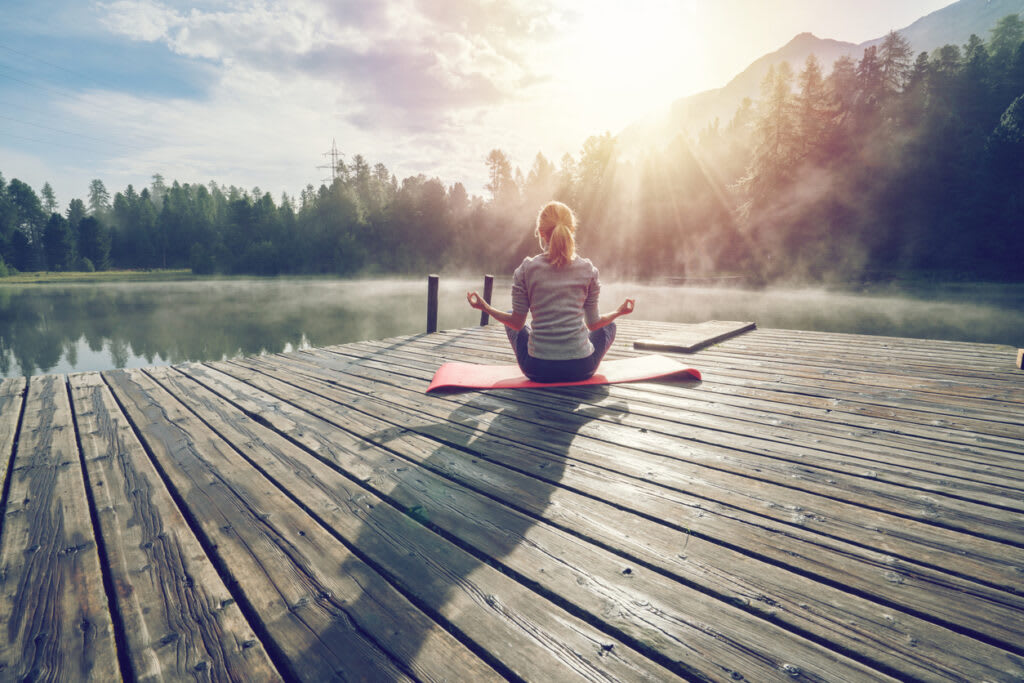
Mindfulness isn’t just a trendy buzzword — it’s a simple, powerful way to bring calm and clarity into our often chaotic, fast-paced lives. At its core, mindfulness is about paying attention to the here and now, without rushing, without judgment, and without getting lost in the whirlwind of thoughts that can easily pull us away from the present moment. In today’s world, where everything seems to move a hundred miles per hour, taking a moment to simply be — to notice, breathe, and observe — is a gift we can give ourselves.
Think about your typical day. How often do you find yourself worrying about things that already happened or stressing about what might happen tomorrow? Or maybe you get caught up in endless “what if” scenarios and worst-case outcomes? Mindfulness offers a way out of this mental trap. It helps us hit the pause button on that nonstop inner dialogue and invites us to experience life as it unfolds — right here, right now. That small pause can have an enormous impact.
Science supports the benefits of mindfulness in ways that go beyond just feeling good for a moment. Studies show that regular mindfulness practice actually changes our brain’s structure and function. The areas responsible for attention, emotional regulation, and self-awareness grow stronger, while regions tied to stress and anxiety calm down. This means that with practice, we can become more resilient in the face of life’s challenges — calmer, more focused, and better able to respond instead of reacting.
But mindfulness is about more than just mental clarity. It also helps our bodies in profound ways. By learning to slow down and tune into our physical sensations, we can reduce blood pressure, improve sleep quality, and ease chronic pain. Mindfulness even strengthens the immune system, helping us stay healthier overall. When we pay attention to what our bodies are telling us, we naturally start making healthier choices — like choosing nourishing foods, taking breaks when we need them, or moving in ways that feel good rather than forcing ourselves into a rigid routine.
One of the most wonderful things about mindfulness is how it deepens our connections with other people. When we practice being fully present during conversations — really listening, without distractions or the urge to immediately respond — relationships flourish. We become less reactive, more patient, and more compassionate, which helps build trust and understanding. This presence helps us notice not just the words others say but also the feelings behind them, fostering deeper empathy.
And here’s the best part: mindfulness doesn’t require special skills or hours of free time. Even just a few minutes a day can start making a real difference. You can practice mindfulness while sitting quietly, focusing on your breath, or simply paying attention to the sensations of your body. But you don’t have to be still to be mindful. Everyday activities like washing dishes, walking, or even brushing your teeth can become opportunities to anchor yourself in the present. It’s about gently noticing when your mind wanders and kindly guiding your attention back — again and again.
This gentle practice is being embraced far beyond personal self-care. Schools around the world are teaching mindfulness to children as a tool to manage stress, improve focus, and enhance emotional intelligence. In the workplace, mindfulness programs help reduce burnout and improve teamwork, leading to happier, more productive employees. Mental health professionals increasingly use mindfulness techniques to support healing from anxiety, depression, and trauma. It’s a versatile, accessible tool that benefits nearly everyone.
Let’s not forget the cultural roots of mindfulness, which come from ancient meditation traditions practiced for thousands of years. The modern mindfulness movement, popularized in the West by teachers like Jon Kabat-Zinn, is rooted in these traditions but presented in a secular way to make it accessible to all. This blend of ancient wisdom and modern science offers a practical way to cope with the demands of contemporary life.
So, how can you start bringing mindfulness into your daily routine? The key is to start small and be consistent. You might begin with just five minutes a day of mindful breathing, paying close attention to the inhale and exhale. Another easy practice is a body scan, where you slowly bring awareness to different parts of your body, noticing any tension or sensations without judgment. Or try mindful eating — savor each bite, notice the flavors and textures, and truly experience your food. These small steps add up, helping you build a habit that can transform your overall wellbeing.
It’s also important to approach mindfulness with kindness and patience toward yourself. The mind naturally wanders — that’s totally normal. The goal isn’t to have a “perfect” meditation session but to practice returning your attention to the present moment over and over. Each time you do, you’re strengthening your mental “muscle” for focus and calm.
In a world filled with constant distractions, demands, and pressures, mindfulness offers a simple refuge — a way to step back, catch your breath, and reconnect with what truly matters. It invites us to live with more kindness toward ourselves and others, to accept life’s ups and downs with grace, and to appreciate the small moments of beauty and joy that often go unnoticed.
Whether you choose to meditate, walk mindfully through a park, or just pause to take a deep breath before your next task, this practice can bring more peace, clarity, and happiness into your life. It’s a powerful reminder that sometimes, the greatest change begins not by doing more but by simply being — right here, right now.
About the Creator
How to Recover Your Instagram Account: The Complete 2026 Guide
Losing access to your Instagram account can feel like being locked out of a digital life. With billions of users and accounts increasingly targeted by hackers, knowing exactly how to react is crucial. Whether you’ve been hacked, forgotten your password, or had your account disabled, this comprehensive guide walks you through every official recovery method. We base our advice on Instagram's official help resources and cybersecurity experts to ensure you can regain access quickly and secure your profile for the future.
By Alexander Hoffmannabout 20 hours ago in Lifehack



Comments (1)
Mindfulness really resonates with me. I often catch myself dwelling on the past or fretting about the future. It's eye-opening to realize how much time we waste in that mental loop. Have you tried incorporating mindfulness into your daily routine? What was your first step? I'm curious to hear about your experiences. It's amazing how something as simple as being present can have such far-reaching benefits. I've noticed that when I'm more mindful, I make better decisions and feel more at ease. It's like hitting a reset button for my mind and body. How has mindfulness changed your perspective on life?