
The Power of Vegetables: Nature’s Secret to a Healthier Life
Why adding more vegetables to your daily diet can improve your health, your habits, and your connection with the planet
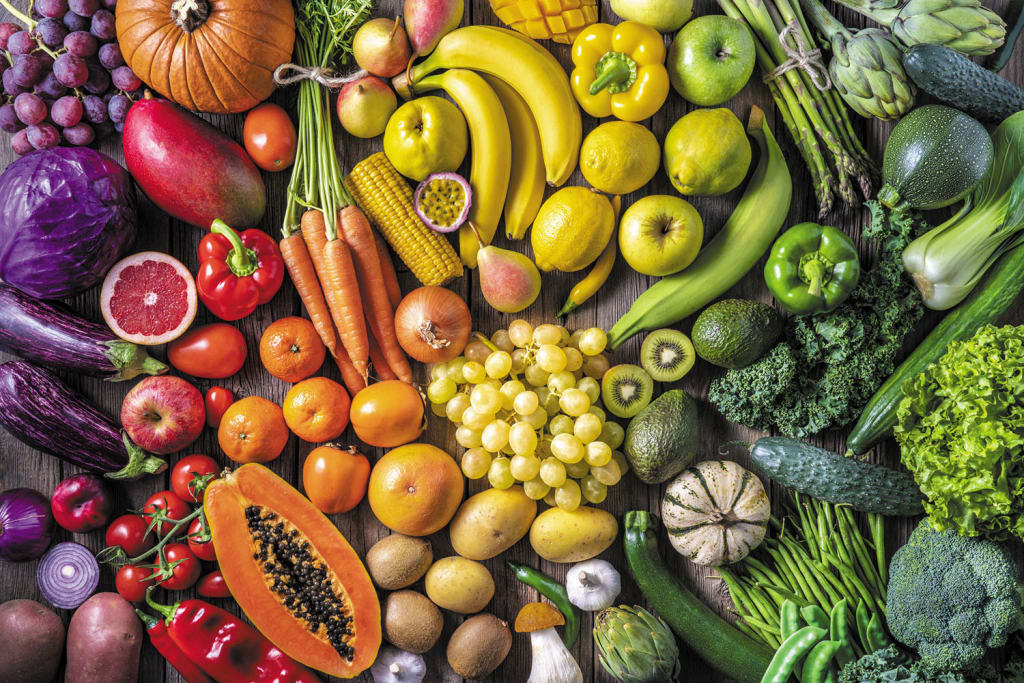
When we think of health, clean eating, or boosting our energy, vegetables probably come to mind. And for good reason. From crisp greens to earthy root veggies, they play a starring role in almost every healthy diet around the globe. But despite their incredible benefits, veggies still tend to be overlooked in favor of quicker, tastier, and often less nutritious choices. Fast food, sugary treats, and packaged snacks dominate our diets—while vegetables quietly wait their turn. Maybe it’s time they took center stage.
Vegetables come in a dazzling range of shapes, colors, flavors, and textures. Whether it’s the crunch of a fresh carrot, the creaminess of an avocado, or the tenderness of grilled zucchini, there’s something to satisfy every palate. They’re naturally low in calories and packed with essential nutrients—ideal for anyone wanting to maintain a healthy weight, improve digestion, and support overall health. In fact, simply eating more vegetables can help prevent or manage many chronic conditions like high blood pressure, type 2 diabetes, and heart disease.
One of the biggest gifts vegetables offer is fiber. And not just for keeping things moving in your digestive system (though that’s a huge plus). Fiber also helps lower cholesterol, stabilize blood sugar, and keeps you feeling full for longer—so you’re less likely to reach for that bag of chips in between meals. The truth is, most of us aren’t getting nearly enough fiber, and veggies are one of the easiest and tastiest ways to fix that.
But it doesn’t stop there. Vegetables are loaded with vitamins and minerals our bodies need. Broccoli, for instance, is a powerhouse of vitamins C and K. Spinach delivers iron and magnesium. Sweet bell peppers are rich in antioxidants like beta-carotene, which our bodies turn into vitamin A. Even the humble potato is full of potassium—essential for proper muscle and heart function. And then there are the underappreciated stars like Brussels sprouts, eggplants, and turnips, each with their own unique health perks.
A great rule of thumb? Pay attention to the colors on your plate. Green veggies often contain chlorophyll, calcium, and lutein—great for your eyes. Orange and yellow ones like pumpkin or carrots are rich in carotenoids that help your immune system and keep your skin glowing. Purple vegetables such as beetroot and red cabbage have compounds that may boost memory and protect cells from damage. Even white vegetables, like onions, garlic, and cauliflower, offer powerful benefits, including support for liver function and immunity.
But veggies don’t just nourish the body—they can also lift your spirits. Nutrients like folate and B vitamins have been linked to better mood and brain function. Some research even suggests people who eat more vegetables tend to feel less anxious and have a lower risk of depression. That might be because nutrient-rich, whole foods can help reduce inflammation and support healthy brain chemistry.
One of the best things about vegetables is how versatile they are. You can eat them raw in a salad, roasted to bring out their sweetness, steamed for a softer bite, or tossed into a stir-fry. Blend them into soups and smoothies or grill them for smoky flavor. Whole meals can be built around veggies—a hearty lentil stew, a vibrant stir-fry, or a spinach and chickpea curry. But they also make great additions to your go-to dishes. Add greens to your sandwich, mushrooms to your eggs, or grated carrots to your pasta sauce.
And here’s something we don’t talk about enough: preparing vegetables helps us reconnect with food. Unlike processed snacks that come ready to eat, vegetables often need a bit of love—peeling, chopping, seasoning, cooking. That process slows us down and makes eating a more thoughtful, mindful act. It’s also something the whole family can join in on, turning dinner prep into quality time.
Eating more vegetables isn’t just a win for our health—it’s good for the planet, too. Growing vegetables generally takes fewer resources than raising animals. It produces less pollution, uses less water, and leaves a smaller carbon footprint. By choosing more plant-based meals, even just a few times a week, we can reduce environmental impact in a big way. Supporting local farms, growing your own herbs or tomatoes, or buying in-season produce from nearby markets are all ways to make your choices even more sustainable.
That said, not everyone has the same access to fresh produce. In some communities, especially in low-income urban areas, people live miles away from stores that sell fresh fruits and vegetables. Often, they rely on highly processed, nutrient-poor foods because those are what’s available and affordable. Fixing this requires more than just awareness—it means investing in food education, supporting local growers, and making fresh produce accessible and affordable for everyone.
Schools are a great place to start. When kids are introduced to vegetables early—whether through a school garden, cooking classes, or simply better cafeteria options—they're more likely to grow up enjoying healthy foods. Letting children help plant, harvest, and cook vegetables not only teaches them about nutrition, but also about patience, teamwork, and caring for the environment.
So how can we make veggies a bigger part of our day without making it a chore? Start small. Add a serving to one of your daily meals. Try one new vegetable each week—something unfamiliar but intriguing. Keep some cut-up veggies in the fridge for quick snacks. Use frozen veggies if fresh ones aren’t available—they’re just as nutritious and even easier to prepare. When eating out, look for vegetable-rich dishes or ask for extra sides.
Experts recommend eating at least three to five servings of vegetables daily. That could be as simple as half a cup of cooked veggies or a full cup of salad greens. The more variety you can work in, the better. Try to eat the rainbow each week—you’ll get a wide range of nutrients without even thinking about it.
At the end of the day, vegetables aren’t just a garnish or a “should.” They’re one of the most powerful tools we have for feeling better, living longer, and taking care of the planet. So whether you’re blending kale into a smoothie, roasting carrots with olive oil, or trying eggplant for the first time, know this: every veggie counts. And the more we include them, the better off we—and the world—will be.
About the Creator
The Consequence of Greed
Snowfall had turned the lush green trees of the forest completely white. It was the heart of winter, and as soon as the snow began to fall, a deep silence spread through the jungle. The animals who had wisely stored food before the cold arrived were now resting comfortably in their homes, eating and drinking without worry. But those who had made no preparations were shivering in the freezing weather, wandering around in search of food.
By Sudais Zakwana day ago in Lifehack
What Your Grandmother Knew about Gold that Wall Street Forgot
My grandmother kept her gold bangles in a faded velvet pouch at the back of her wardrobe. Not in a safe, not in a bank vault, just tucked between old shawls and photographs. When I asked her once why she bothered keeping them, she looked at me like I'd asked why the sky was blue.
By Marcus Briggs7 days ago in Lifehack
Center Stage with Paul Stewart
*** I'm keen to republish the interviews I did for my series with Vocal creators. It's been a few years and I thought it might be nice to revisit these wonderful conversations. I'll be releasing them one at a time for a few weeks/months.
By Heather Hubler5 days ago in Interview



Comments (1)
You make a great case for vegetables. I totally get that they're often overlooked. I used to reach for junk food too, but then I realized how good veggies are. Now, I try to include them in every meal. Like you said, they have so many benefits. But how do you make sure kids, who might be picky, eat their veggies? Any tips? Also, what's your favorite way to cook Brussels sprouts? They seem to get a bad rap.