
The Mediterranean Glow Spain Personal Care Revolution in 2026
From Sun-Soaked Traditions to High-Performance Care
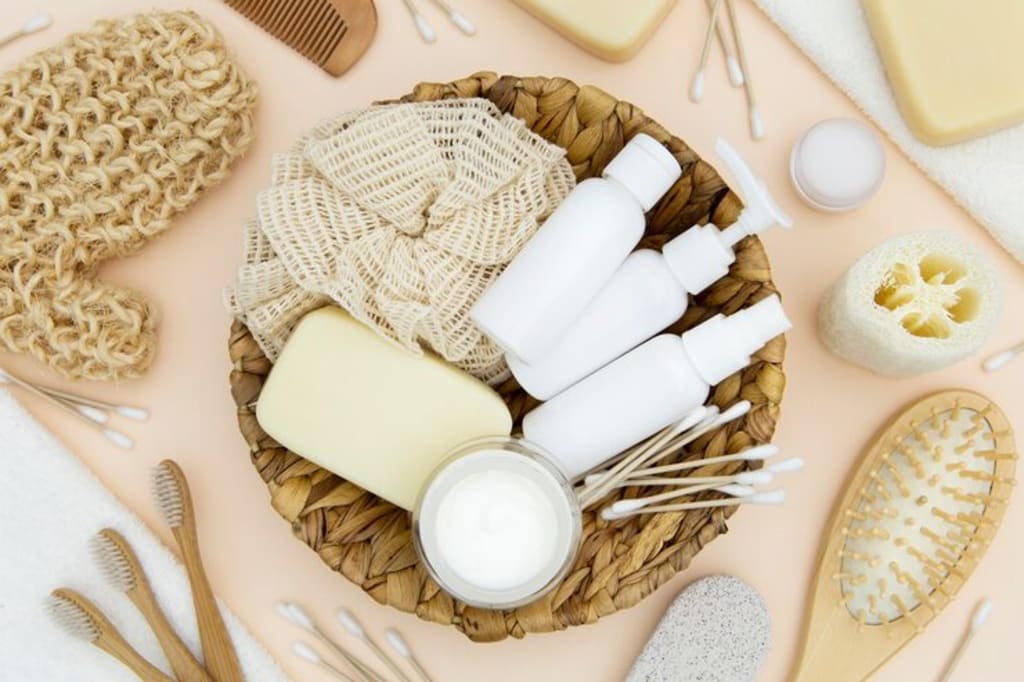
Spain has always been a country where self-care and aesthetic presentation are deeply woven into the social fabric. However, as we move through 2026, the Spanish personal care and beauty market has transcended traditional boundaries to become a global powerhouse of innovation and sustainability. Currently valued at approximately $2.8 billion and projected to reach $4.5 billion by 2034, the industry is expanding at a steady 5.23% CAGR. This growth is not merely about selling more soap or lotions; it is a fundamental shift in how Spanish consumers perceive health, environment, and aging. In 2026, the "Spanish Glow" is powered by a unique blend of ancient Mediterranean ingredients like olive oil and citrus fused with cutting-edge biotechnology and a fierce commitment to eco-conscious consumption.
The Economic Surge and the Rise of "Skintelligence"
The economic landscape of personal care in 2026 is defined by a sophisticated consumer base that is increasingly "skintelligent." Spanish shoppers are no longer swayed by flashy marketing alone; they are reading ingredient labels with scientific precision. This has led to a massive surge in demand for active ingredients like Hyaluronic Acid, Vitamin C, and Niacinamide. The skincare segment remains the undisputed leader of the market, accounting for the largest share of revenue. In 2026, we are seeing a particular boom in the "Premium-Mass" category products that offer high-end, dermatological results at an accessible price point. This democratization of high-performance skincare has allowed local Spanish brands to compete directly with global giants, often winning on the basis of transparency and local relevance.
This economic strength is further bolstered by the rapid digitalization of the Spanish market. By 2026, online retail has become the fastest-growing distribution channel, with a 7.97% CAGR. Consumers are utilizing data-driven personalization tools apps that scan the skin and recommend specific routines to navigate the vast array of choices. This digital shift has also empowered niche and independent brands, allowing them to reach consumers in rural Galicia or the Canary Islands without the need for traditional brick-and-mortar shelf space. The result is a more diverse and competitive market where innovation is rewarded, and consumer feedback is integrated into product development in near real-time, creating a highly responsive and dynamic industry.
The Sun Care Supremacy and the Microbiome Frontier
If there is one category that defines the Spain personal care Products market in 2026, it is Sun Care. With Spain enjoying some of the highest sunshine hours in Europe, sun protection has moved from a seasonal beach necessity to a mandatory daily ritual. Sunscreen now reigns supreme as the most popular skincare product in the country, but the formulations of 2026 are a world away from the greasy lotions of the past. Modern Spanish sunscreens are multi-functional powerhouses acting as primers, anti-aging serums, and blue-light protectors all in one. The rise of "Invisible Zinc" and advanced SPF boosters, like the LignoGuard developed in collaboration with Barcelona-based firms, has made sun protection a seamless and pleasant part of the morning routine for millions of Spaniards.
Beyond sun protection, 2026 marks the arrival of the Microbiome Revolution in Spain. Consumers have become hyper-aware that a healthy balance of skin bacteria is essential for preventing issues like eczema and premature aging. Consequently, the shelves are now filled with probiotic and prebiotic skincare lines designed to nourish the skin’s natural flora. This trend is deeply linked to the broader "Clean Beauty" movement, as microbiome-friendly products often exclude harsh sulfates and parabens that can disrupt the skin’s delicate ecosystem. In 2026, "Health-First Beauty" is the dominant philosophy, with a focus on strengthening the skin barrier rather than just masking imperfections.
Sustainability: The Non-Negotiable Standard
In 2026, sustainability has moved from a "nice-to-have" feature to a non-negotiable standard for any personal care brand in Spain. The surge in demand for natural and organic products is driven by a profound awareness of environmental impact. Consumers are actively opting for brands that prioritize plastic-free packaging, refillable containers, and waterless formulations (like shampoo bars). The "Mediterranean Influence" is particularly strong here, with brands leveraging locally sourced ingredients like aloe vera from the Canary Islands and almond oil from the Balearics to reduce their carbon footprint and support local biodiversity. This "KM-0 Beauty" concept sourcing and producing as close to the consumer as possible is a key differentiator for Spanish brands on the global stage.
Furthermore, 2026 has seen the implementation of stricter European and national sustainability laws, forcing even the largest multinationals to reformulate their products for the Spanish market. We are seeing a "Circular Beauty" model emerge, where packaging is not just recyclable but often made from upcycled agricultural waste such as grape skins from the wine industry or olive pits from oil production. This commitment to the environment is particularly strong among Gen Z and Millennial consumers, who view their personal care choices as a form of activism. In 2026, a brand’s ethical record is as important as its efficacy, and transparency in the supply chain has become a primary driver of brand loyalty.
Men’s Grooming and the Inclusivity Shift
The 2026 landscape is also characterized by a significant expansion in Men’s Grooming and Gender-Neutral beauty. Traditional gender boundaries in personal care have largely dissolved in Spain’s urban centers like Madrid and Barcelona. Men are now a major growth driver for the skincare market, seeking out specialized anti-aging creams, beard oils, and even subtle "color-correcting" cosmetics. This shift is supported by an inclusive marketing approach that focuses on "Skin Health" rather than "Beauty," making personal care accessible and appealing to a wider audience. Brands that offer gender-neutral packaging and formulations are seeing a surge in popularity, reflecting a more progressive and fluid understanding of self-care in modern Spanish society.
This inclusivity also extends to age. With one of the world’s most rapidly aging populations, Spain has become a laboratory for "Pro-Aging" technology. In 2026, the industry has moved away from the negative "Anti-Aging" narrative toward one that celebrates "Longevity and Vitality." Products are now designed to support the specific needs of mature skin focusing on deep hydration, elasticity, and radiance without promising to "reverse" time. This honest and respectful approach has resonated deeply with older consumers, who are often overlooked by the global beauty industry but hold significant purchasing power in the Spanish market.
Conclusion: A Vision of Holistic Health
As we look at the state of Spain’s personal care products in 2026, it is clear that the industry has undergone a total transformation. It is a market where the ancient wisdom of the Mediterranean meets the precision of modern science and the urgency of environmental protection. By focusing on "Skintelligence," microbiome health, and radical sustainability, Spain has created a personal care model that is as resilient as it is beautiful. For the global consumer, the "Made in Spain" label in 2026 is a guarantee of quality, ethics, and a holistic approach to health. The journey from the bathroom cabinet to a better world is being led by the innovators in Barcelona, Madrid, and beyond, ensuring that the future of personal care is bright, green, and undeniably healthy.
About the Creator
Keep reading
More stories from Neeraj kumar and writers in Lifehack and other communities.
The Golden Pulse: Spain’s Luxury Revolution and the New Paradigm of 2026
For decades, the global luxury map was anchored by the historic maisons of Paris and the artisanal workshops of Milan. However, as we move through 2026, the narrative of high-end consumption has shifted significantly toward the Iberian Peninsula. Spain has emerged not just as a destination for sun and culture, but as a premier global hub for the Spain luxury goods industry. Driven by a resilient domestic affluent class, a record-breaking surge in high-net-worth tourism, and a unique blend of heritage craftsmanship and digital innovation, the Spanish luxury market has reached a historic valuation of over $7.4 billion this year. This "Spanish Renaissance" in luxury is defined by a shift from mere status symbols to "Experiential Value," where the soul of the product and the ethics of the brand are as important as the price tag.
By Neeraj kumarabout 4 hours ago in Education
Using a novel strategy, scientists try to stop human ageing.
Your cells' functions change as you age, and this gradual change can lead to organ failure, weakening, and scarring. There is now hope for treating age-related disorders since scientists have discovered a mechanism to nudge some cells back towards healthy roles.
By Francis Dami5 days ago in Lifehack
How Naturopathic Medicine Can Help Hormonal Imbalances
They can also increase the risk of chronic diseases like diabetes. Many people are now turning to natural approaches for relief. Naturopathic medicine offers holistic solutions that focus on restoring balance rather than just masking symptoms.
By Lola Gold Finch4 days ago in Lifehack



Comments
There are no comments for this story
Be the first to respond and start the conversation.