
The Golden Pulse: Spain’s Luxury Revolution and the New Paradigm of 2026
Heritage, Craft, and the Rise of a New Luxury Identity
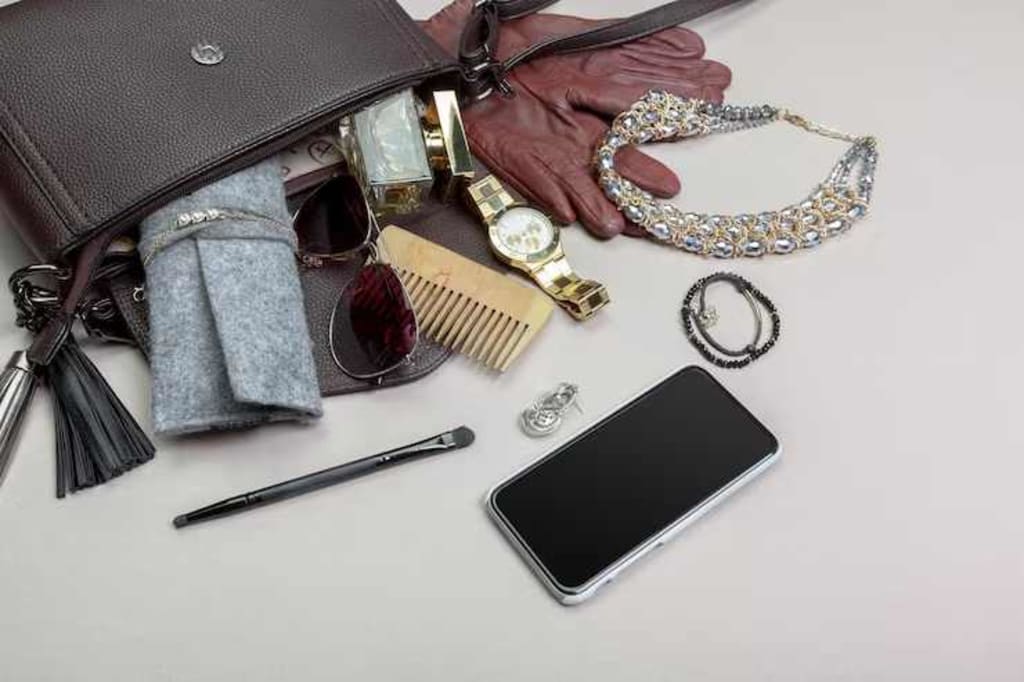
For decades, the global luxury map was anchored by the historic maisons of Paris and the artisanal workshops of Milan. However, as we move through 2026, the narrative of high-end consumption has shifted significantly toward the Iberian Peninsula. Spain has emerged not just as a destination for sun and culture, but as a premier global hub for the Spain luxury goods industry. Driven by a resilient domestic affluent class, a record-breaking surge in high-net-worth tourism, and a unique blend of heritage craftsmanship and digital innovation, the Spanish luxury market has reached a historic valuation of over $7.4 billion this year. This "Spanish Renaissance" in luxury is defined by a shift from mere status symbols to "Experiential Value," where the soul of the product and the ethics of the brand are as important as the price tag.
The Economic Surge: A Market of Billion-Dollar Milestones
The sheer economic scale of Spain’s luxury sector in 2026 is a testament to its maturity and resilience. Growing at a steady 4.72% CAGR, the market is projected to continue its upward trajectory well into the next decade. This growth is fueled by a dual-engine of demand: a thriving domestic market and a revitalized international tourism sector. In 2026, Spain is welcoming over 85 million international visitors, many of whom are high-spending travelers from the Middle East, Asia, and North America, drawn specifically to the luxury retail corridors of Madrid’s Salamanca district and Barcelona’s Passeig de Gràcia. These two cities alone account for nearly 68% of all luxury retail activity in the country, creating a concentrated "Golden Triangle" of high-end commerce that rivals the best in London or New York.
This economic surge is further supported by the rising disposable income of Spain's domestic affluent population, which is projected to reach an average of €28,000 per capita in the high-income segments. This domestic base provides a stable foundation for brands, allowing them to weather global volatility. In 2026, we are seeing a "Premiumization" across all categories, with Leather Goods and Beauty leading the charge. Leather goods, rooted in Spain’s deep heritage of craftsmanship in regions like Andalusia, remains the largest segment, while the Beauty and Fragrance category is currently the fastest-growing, driven by a new wave of "Niche Perfumery" and high-end skincare brands that emphasize Mediterranean ingredients and scientific innovation.
The "Phygital" Shift: Digital Mastery in the Luxury Space
One of the most profound transformations in 2026 is the total integration of digital and physical retail a phenomenon industry insiders call "Phygital Luxury." Spanish luxury brands have moved beyond simple e-commerce; they are now creating immersive digital universes that complement their physical flagship stores. By 2026, online luxury sales in Spain have surpassed the €1 billion mark, representing a significant portion of total revenue. This isn't just about convenience; it’s about engagement. High-end brands are leveraging AI-driven personalization and Virtual Try-On (VTO) technologies to create a "VIP Service at Scale," where a customer in Seville can receive a tailored digital styling session that is as intimate and professional as an in-store experience in Madrid.
This digital evolution is particularly critical as Gen Z and Millennials now make up approximately 75% of luxury buyers in Spain. These digital-native consumers demand speed, transparency, and a seamless omnichannel journey. In response, forward-thinking Spanish labels are transforming their boutiques into "Experiential Destinations" merging retail with hospitality, art, and entertainment. In 2026, entering a luxury store in Barcelona is likely to involve more than just browsing racks; it might include an AR-enhanced tour of the brand's artisan workshop or a personalized scent-mapping experience driven by biometric sensors. This fusion of the "High-Touch" human element with "High-Tech" efficiency is the new global standard, and Spain is at the absolute forefront of this movement.
Sustainability and the Ethical Luxury Mandate
As we navigate 2026, the term "Luxury" has been fundamentally redefined by the concept of Sustainability. For the modern Spanish consumer, a product is no longer luxurious if its production is detrimental to the planet. The sustainable fashion market in Spain is anticipated to grow to €1.6 billion this year, with nearly 65% of consumers expressing a strong preference for brands that prioritize environmental and social accountability. This has led to a "Circular Economy" revolution within the luxury sector. Brands are now offering "Lifetime Repair" services, using bio-based materials, and even launching their own "Pre-Loved" or secondhand verticals to ensure their products stay in circulation rather than ending up in landfills.
This ethical mandate extends to the very source of the materials. Spanish luxury is increasingly defined by its "Localism" a return to the small-scale, high-quality workshops of the Iberian Peninsula. In 2026, the story of a handbag made from locally sourced, vegetable-tanned leather in a family-run atelier is more compelling to a luxury buyer than a mass-produced item from a global conglomerate. This shift toward "Quiet Luxury" and "Conscious Craft" has allowed domestic Spanish brands to compete on a global stage, emphasizing their unique heritage and their commitment to the Mediterranean environment. In the world of 2026, sustainability is no longer a marketing "bolt-on"; it is the very fabric of the brand's identity.
Regional Concentration and the Power of the "Flagship"
While digitalization is widespread, the physical Flagship Store remains the ultimate temple of the luxury brand in 2026. The geographic concentration in Madrid and Barcelona has led to an intense competition for prime retail space on streets like Serrano and Ortega y Gasset. To stand out, brands are investing record amounts in "Architectural Statements"—hiring world-renowned architects to design stores that reflect the cultural spirit of Spain. These spaces are no longer just points of sale; they are "Brand Embassies" that offer exclusive in-store events, private lounges for VVIPs, and curated art exhibitions that link the brand to the local community.
Beyond the two major hubs, 2026 is seeing a strategic expansion into secondary "Luxury Enclaves" like Marbella and Ibiza. These regions, traditionally known for seasonal high-end tourism, are now seeing year-round luxury infrastructure development. High-end jewelry and watch brands, in particular, are focusing on these coastal hotspots to capture the "Leisure Spend" of high-net-worth individuals who own second homes in Spain. This regional diversification ensures that the luxury market is resilient against localized economic shifts, creating a broad, stable network of consumption that spans from the industrial North to the sunny South.
Conclusion: A Legacy Reimagined for the 21st Century
As we look at the state of Spain’s luxury goods industry in 2026, the picture is one of a sector that has successfully reinvented itself for a new era. By blending its rich heritage of craftsmanship with a bold, digital-first approach and a deep commitment to sustainability, Spain has created a luxury model that is both resilient and future-proof. The "Silicon Suede" of 2026 is a market where AI personalization meets hand-stitched leather, and where global tourism flows meet local ethical mandates. For the global observer, Spain’s luxury revolution is a clear signal: the future of high-end consumption is Mediterranean, it is digital, and it is deeply, authentically human.
About the Creator
Keep reading
More stories from Neeraj kumar and writers in Education and other communities.
The Human Advantage Russia’s Soft Skills Renaissance in the Age of AI (2026)
In the rapidly shifting economic landscape of 2026, Russia has entered a new era of human capital development. For years, the Russian job market was dominated by a "Hard Skills First" mentality prioritizing technical degrees, engineering prowess, and tangible manufacturing expertise. However, as Artificial Intelligence (AI) and automation begin to handle the heavy lifting of data analysis and routine tasks, a fundamental realization has swept through the offices of Moscow and the industrial hubs of the Urals: technical skills get you the job, but soft skills keep the business alive. Today, soft skills training in Russia has evolved from a "corporate luxury" into a survival-critical investment, driven by a need for agility, emotional intelligence, and human-centric leadership in an increasingly complex world.
By Neeraj kumarabout 5 hours ago in Education
Creating a Higher Education Legacy in Monterey
Not Known for Colleges Picturesque Monterey, California is not known as a college town. Instead, its recent fame was that of being the old stomping grounds for John Steinbeck and the current location of a world-class marine aquarium.
By Dean Traylor4 days ago in Education



Comments
There are no comments for this story
Be the first to respond and start the conversation.