
The Future of IT: How Automation & AI Are Revolutionizing Development
As IT continues to evolve, automation and artificial intelligence (AI) are transforming the way developers and IT professionals work

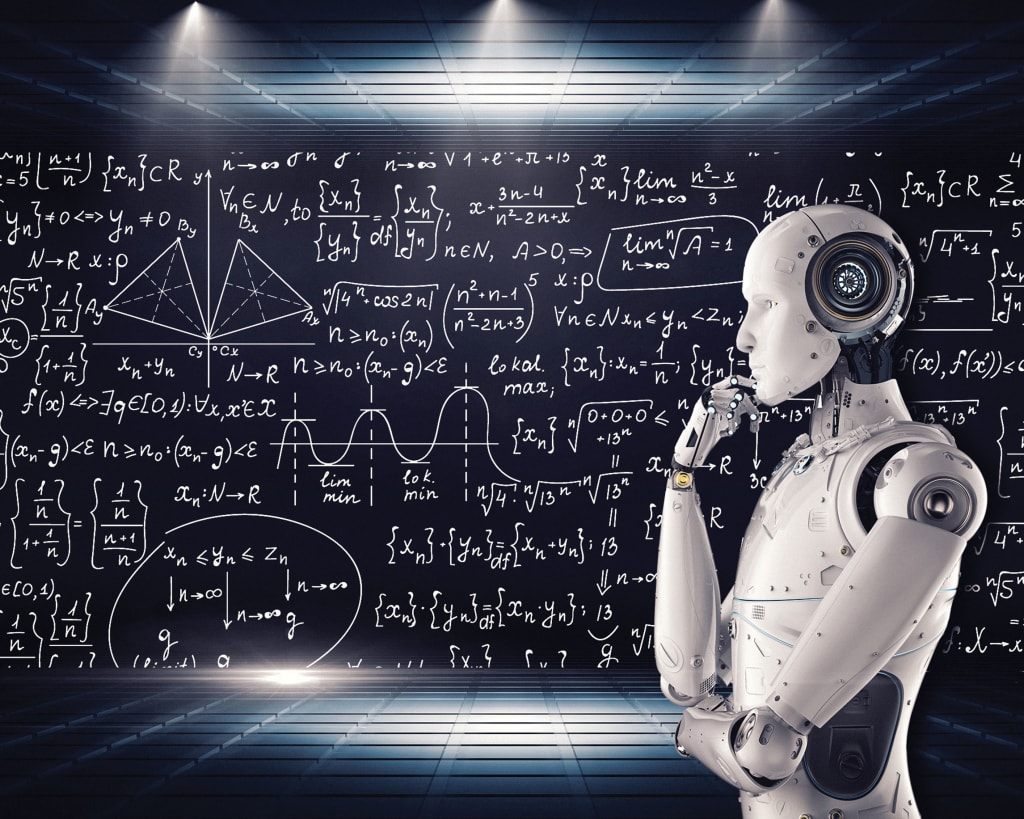
AI in Software Development: The Future of Smarter Code and IT Automation
Artificial Intelligence (AI) is revolutionizing software development and IT automation. By leveraging machine learning and advanced algorithms, AI is streamlining development workflows, improving code quality, and enhancing security. Developers and IT professionals now have access to powerful tools that automate repetitive tasks, optimize system performance, and detect vulnerabilities before they become major issues.
AI-Powered Code Assistance: Writing Smarter and Faster
AI-driven code assistance tools like GitHub Copilot and Tabnine are transforming the way developers write code. These AI-powered assistants suggest entire functions, fix syntax errors, and even detect potential bugs before code is compiled. By analyzing millions of lines of code, they predict the most efficient solutions, reducing the time spent on debugging and testing.
Example: Using GitHub Copilot for Code Generation
GitHub Copilot integrates seamlessly into IDEs like Visual Studio Code, suggesting optimal code snippets as developers type. For instance, if a developer wants to create a function to process user data, Copilot might generate something like this:
- async function processUserData(userId) {
- const response = await fetch(`/api/users/${userId}`);
- const userData = await response.json();
- return userData; }
This capability significantly accelerates development cycles and reduces human errors, allowing developers to focus on more complex problems and innovation.
AI-Driven Testing and Bug Detection
Traditional software testing methods are often time-consuming and prone to human oversight. AI-powered testing tools like Testim and Mabl automate the process by learning from test cases, identifying patterns in software behavior, and detecting anomalies that could lead to bugs.
Example: AI-Powered Automated Testing
AI-driven testing platforms can automatically generate test cases based on previous user interactions and predict potential failure points. This not only saves time but also improves software reliability before deployment.
Enhancing Cybersecurity with AI: Predictive Threat Detection
AI is not only improving development efficiency but also enhancing cybersecurity. By leveraging machine learning algorithms, AI can analyze vast amounts of data from network traffic, logs, and user behavior to identify potential threats before they cause damage.
Example: Using AI for Threat Detection
AI-based security tools such as Darktrace and IBM Watson for Cyber Security continuously monitor system activity for anomalies. They use machine learning to detect irregular patterns that could indicate a cyberattack, allowing IT teams to take proactive measures.
Here’s a basic example using TensorFlow to build a simple anomaly detection model:
- import tensorflow as tf
- from sklearn.preprocessing import StandardScaler
- # Sample data (e.g., system logs or network traffic)
- data = [[5, 20], [10, 25], [60, 35], [80, 50]]
- # Standardizing the data
- scaler = StandardScaler()
- data = scaler.fit_transform(data)
- # AI model to detect anomalies
- model = tf.keras.Sequential([
- tf.keras.layers.Dense(64, activation='relu', input_shape=(2,)),
- tf.keras.layers.Dense(1)
- model.compile(optimizer='adam', loss='mse')
- model.fit(data, [1, 1, 0, 0], epochs=10)
- # Predict anomalies
- predictions = model.predict(data)
- print(predictions)
This model helps detect suspicious activity by analyzing system data patterns, which can prevent security breaches before they occur.
Automating IT Workflows with AI and RPA
Robotic Process Automation (RPA) combined with AI is transforming IT operations. Automation platforms like UiPath and Automation Anywhere handle routine tasks such as server monitoring, log analysis, and ticket resolution, reducing the burden on IT teams.
Example: AI-Powered IT Automation
Automated Ticketing Systems: AI can categorize and prioritize IT support tickets, assigning them to the right personnel without human intervention.
Cloud Resource Optimization: AI monitors cloud usage and automatically scales resources based on real-time demand, reducing costs and improving efficiency.
Automated Compliance Checks: AI ensures software and systems adhere to security policies by continuously scanning for compliance violations.
The Future of AI in Software Development and IT
With advancements in AI, the future of software development and IT automation will see increased adoption of low-code/no-code platforms, making development accessible to non-technical users. AI will also enable self-healing systems, where applications autonomously detect and fix issues without human intervention.
Conclusion: Embracing AI for a Smarter IT Future
AI is reshaping software development and IT operations by increasing efficiency, reducing errors, and enhancing security. Developers and IT professionals must embrace AI-driven tools to stay competitive in a rapidly evolving industry. By leveraging automation, AI-driven testing, and machine learning security models, businesses can innovate faster and create more secure, scalable solutions.
Key Takeaways:
- AI-powered tools like GitHub Copilot are making coding faster and more efficient.
- AI-driven testing platforms reduce manual testing efforts and improve software quality.
- AI-enhanced cybersecurity detects threats before they escalate.
- IT automation using AI and RPA is optimizing workflows and reducing manual workloads.
- The future of IT will integrate AI-driven low-code development and self-healing systems.
Embracing AI in software development and IT automation is no longer optional—it’s a necessity for staying ahead in the digital age.
About the Creator
Jack Aurthor
I am a writer, crafting worlds with words and turning ideas into stories that resonate.
Keep reading
More stories from Jack Aurthor and writers in Lifehack and other communities.
Can You Remove Tile from a Countertop?
Countertops are one of the most heavily used surfaces in any kitchen or bathroom, so it's no surprise that many homeowners choose tile for their durability and style. However, over time, you may find that your once beautiful tile countertop is starting to show signs of wear and tear, or perhaps you're just ready for a new look. The good news is, YES, you can absolutely remove tile from a countertop, but it can be a challenging and labor-intensive project.
By Jack Aurthor12 months ago in Lifehack


Comments
There are no comments for this story
Be the first to respond and start the conversation.