
The Coffee Conundrum
How Your Morning Brew May Be Stealing Your Calcium

The Coffee Conundrum
A Wake-Up Call for Coffee Lovers
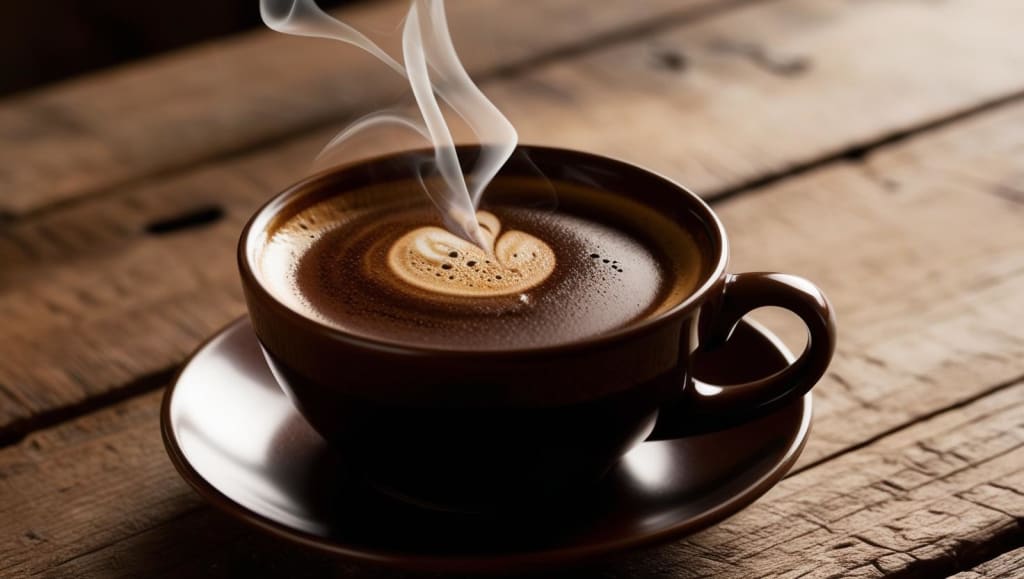
For many of us, the day doesn’t truly begin until we’ve had our first cup of coffee. The rich aroma, the warmth, and the comforting caffeine kick—it’s the ritual that fuels us, especially on those groggy mornings. But what if I told you that your beloved coffee might be doing more harm than good when it comes to your bones?
Meet Emily, a 32-year-old marketing manager with a passion for coffee. Like many people, Emily’s mornings started with a strong cup of coffee, followed by another, and sometimes even a third, to get through the long workdays. It was her energy boost, her social drink, and her little indulgence in an otherwise busy life. But recently, she started feeling some unexplained aches in her joints and noticed that her nails were more brittle than usual. Her doctor suggested a calcium deficiency, something Emily hadn’t thought much about before. The idea that coffee might be contributing to the problem never crossed her mind.
It was time for Emily to dig deeper into the relationship between her daily brew and her bones—and what she could do about it.
The Link Between Coffee and Calcium Loss
It’s easy to assume that coffee is just a harmless morning pick-me-up, but over time, drinking too much coffee can have an impact on the body in ways that aren’t always obvious. One of the less well-known effects of coffee is its ability to **reduce calcium levels** in the body.
Coffee, particularly the caffeine it contains, acts as a **diuretic**—it makes you urinate more frequently. While this may not seem like a big deal, it can cause the body to lose important nutrients, including calcium. When you urinate more, you excrete more minerals and electrolytes, and that includes calcium.
Additionally, caffeine can also interfere with the body’s ability to **absorb calcium**. This means that while you might be consuming calcium-rich foods (like milk, cheese, or leafy greens), the body may not be able to make the most of it if you’re drinking large amounts of coffee throughout the day. As a result, your body’s ability to build and maintain strong bones may be compromised over time, increasing the risk of conditions like **osteoporosis**.
The Calcium Crisis: What It Means for Your Health
Emily never thought about her bones much. After all, they didn’t give her any trouble. But the more she learned about calcium and its importance, the more she realized just how crucial it was to her overall health.
Calcium is not just important for your bones; it’s vital for your **heart**, **muscles**, and **nerves**. About 99% of the body’s calcium is stored in bones and teeth, making it essential for maintaining bone density and preventing fractures as you age. The other 1% plays a key role in nerve function, muscle contractions, and blood clotting.
However, as you get older, particularly after the age of 30, bone density naturally begins to decrease. If your calcium intake is already low, the added effect of caffeine can exacerbate the problem, potentially leading to bone weakness and a higher risk of fractures.
For Emily, the idea of weakening her bones was concerning. But there was hope: it wasn’t too late to make changes, and there were plenty of ways to reduce the impact of her coffee habit.
Reducing Coffee Intake: Is It Possible?
Emily was reluctant at first. The thought of giving up her beloved coffee sounded like a daunting task. Could she really start her day without that familiar cup of java? The answer wasn’t about giving up coffee entirely, but rather finding a **balance** that wouldn’t compromise her calcium levels or overall health.
Here’s what she learned about reducing coffee consumption:
1. Gradually Cut Back
One of the easiest ways to reduce your coffee intake is by cutting back **slowly**. Going cold turkey may lead to headaches, irritability, or fatigue—common withdrawal symptoms from caffeine. Instead, Emily decided to reduce her coffee consumption by one cup each week. She started with cutting her second cup down to half strength and eventually replacing it with herbal tea.
2. Drink More Water
Since coffee is a diuretic, it can cause dehydration if consumed in excess. To compensate, Emily made sure to drink plenty of water throughout the day. Water hydrates the body and supports overall well-being. By replacing some of her coffee with water, she helped balance the loss of minerals and kept her body functioning well.
3. Switch to Decaf or Half-Caff
For coffee lovers like Emily, the idea of giving up coffee altogether can feel extreme. Fortunately, there’s a middle ground: **decaffeinated coffee**. Switching to decaf or “half-caff” (half regular coffee, half decaf) can help reduce caffeine intake while still giving you the familiar taste and comfort of coffee.
4. Limit Coffee to One Cup Per Day
Instead of drinking multiple cups a day, Emily decided to enjoy just **one cup of coffee** in the morning. This allowed her to still savor her favorite drink while minimizing its effect on her calcium levels.
5. Choose Healthy Coffee Additives
Some of the harm caused by coffee doesn’t come from the coffee itself but from what people add to it. Creamers and sugar can make coffee much less healthy. Emily switched to healthier alternatives, such as almond milk or oat milk, and reduced the amount of sugar she added. These small changes helped her make coffee a bit lighter without sacrificing too much flavor.
What Can You Drink Instead of Coffee?
Emily knew that reducing coffee was important for her bones, but she also wanted something to replace her morning ritual. Fortunately, there are plenty of **healthy alternatives** that can give you energy without draining your calcium stores.
1.Green Tea
Green tea is a great alternative to coffee. It has **caffeine**, but not as much, so it provides a gentler energy boost. Plus, it’s rich in antioxidants and has numerous health benefits, including improving heart health and brain function. Green tea is also a natural source of **L-theanine**, an amino acid that promotes relaxation without making you feel drowsy.
2. Herbal Teas
If you want to avoid caffeine entirely, herbal teas are an excellent option. Flavors like **peppermint**, **chamomile**, and **ginger** offer soothing properties and a wide variety of health benefits. Herbal teas also help with hydration, which is important when you’re reducing your coffee intake.
3. Matcha Latte
If you miss the creamy texture of coffee drinks, try a **matcha latte**. Matcha, a type of powdered green tea, has a unique flavor and a moderate amount of caffeine. Mixing it with plant-based milk and a touch of honey or stevia creates a refreshing, nutritious alternative to a regular latte.
4. Golden Milk
Golden milk is a warm drink made from **turmeric**, **ginger**, **cinnamon**, and **milk** (or a plant-based alternative). It’s packed with anti-inflammatory properties and can help boost your immune system. Plus, it’s a great option for those who want to switch up their routine without relying on caffeine.
5. Chicory Coffee
If you’re really craving the taste of coffee, try **chicory coffee**. Made from roasted chicory root, it has a similar taste to coffee but is caffeine-free. Chicory coffee is often used in place of coffee in places like New Orleans and is a great option for those trying to cut back on caffeine.
Enjoying Coffee Without Sacrificing Your Bones
For Emily, it was clear: **coffee didn’t have to be a daily habit to be a pleasurable one**. By reducing her intake and exploring healthier alternatives, she was able to enjoy her mornings without sacrificing her bone health. Over time, she felt more energetic, her joints felt better, and she noticed an improvement in her overall well-being. And just occasionally, she could still indulge in a rich cup of coffee, knowing that she had found the right balance.
So, if you’re a coffee lover who’s concerned about calcium loss, take a page from Emily’s story. You don’t have to say goodbye to your morning brew, but being mindful of how much you drink—and what you drink it with—can help protect your bones while still enjoying life’s little pleasures.
About the Creator
Gabriela Tone
I’ve always had a strong interest in psychology. I’m fascinated by how the mind works, why we feel the way we do, and how our past shapes us. I enjoy reading about human behavior, emotional health, and personal growth.
Keep reading
More stories from Gabriela Tone and writers in Lifehack and other communities.
The Rhythm of Little Stars
The Rhythm of Little Stars A Journey to Finding the Perfect Baby Schedule When Emma first brought baby Oliver home from the hospital, she thought she was ready. She had read the books, joined the forums, listened to every piece of advice from mothers, grandmothers, neighbors, and strangers in grocery store lines. "Sleep when the baby sleeps," they said. "Feed on demand." "Let them cry it out." "Never let them cry it out."
By Gabriela ToneExclusive • 11 months ago
SEO Mentor Nestor Vazquez and a Different Way of Understanding Search
In many discussions about digital marketing, search engine optimization is often presented as a technical discipline. Articles tend to focus on rankings, backlinks, analytics dashboards, and algorithm updates. While these elements are certainly part of the field, they do not fully explain how people actually learn to understand search.
By House Doctor4 days ago in Lifehack
How to Find Penny Items at Dollar General
Imagine walking into Dollar General and walking out with a cart filled with items that cost you a total of less than a dollar. The lucky few who snag penny items certainly have experienced the adrenaline and happiness it creates. If you want to feel like a Queen (or king) for a day, read below to learn how you can become a DG penny-aire.
By Criminal Matters4 days ago in Lifehack




Comments
There are no comments for this story
Be the first to respond and start the conversation.