
The Benefits of a Vegan Diet
Choose a Healthy Lifestyle!

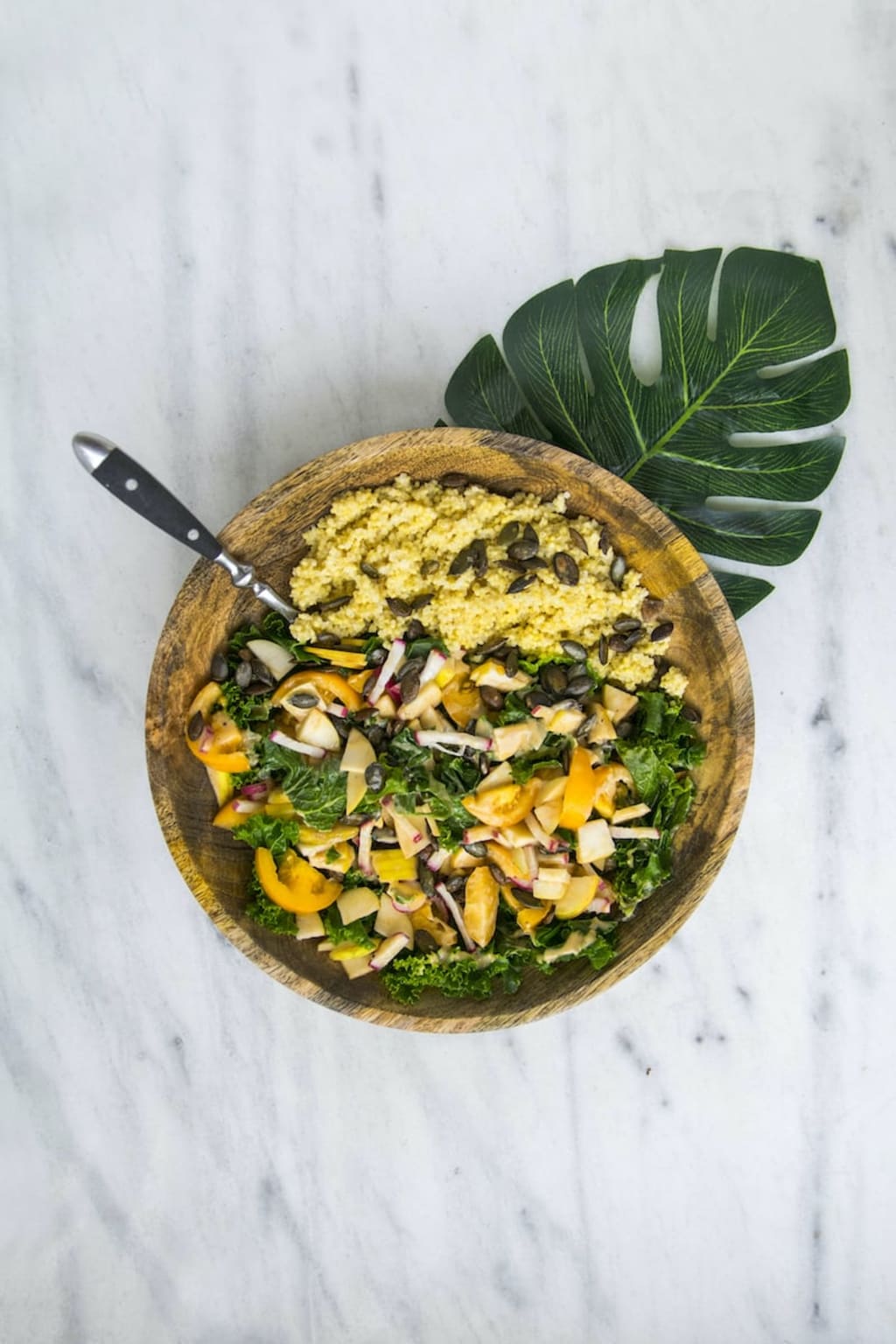
A vegan diet has gained immense popularity in recent years, and for good reason. Its numerous health benefits, positive environmental impact, and ethical considerations make it an appealing choice for many individuals. Let's delve deeper into the advantages of a vegan diet and how it can contribute to a healthy and fulfilling lifestyle.
1. Nutrient-Rich Foods: A well-planned vegan diet can provide an abundance of essential nutrients that are vital for optimal health. Fruits, vegetables, whole grains, legumes, nuts, and seeds are not only delicious but also rich sources of vitamins, minerals, and antioxidants. These plant-based foods can support overall health and significantly reduce the risk of chronic diseases, including heart disease, diabetes, certain types of cancer, and obesity. The wide array of nutrients found in these foods, such as vitamin C, vitamin E, folate, magnesium, and potassium, play crucial roles in maintaining healthy bodily functions.
2. Increased Fiber Intake: Vegan diets are typically high in dietary fiber, which offers several significant health benefits. Fiber aids in digestion by promoting regular bowel movements and preventing constipation. Moreover, it provides a feeling of satiety, helping to control appetite and manage weight effectively. Additionally, a high-fiber diet can contribute to lower cholesterol levels, reduce the risk of developing gallstones, and improve blood sugar control, making it beneficial for individuals with diabetes or pre-diabetes.
3. Environmental Sustainability: The environmental impact of food choices cannot be ignored. Animal agriculture is a major contributor to greenhouse gas emissions, deforestation, and water pollution. By adopting a vegan lifestyle and choosing plant-based alternatives, individuals can make a substantial positive impact on the environment. A vegan diet requires significantly fewer resources, such as water and land, compared to animal-based diets. This reduction in resource consumption, coupled with the decreased carbon footprint, can help mitigate climate change and preserve our planet for future generations.
4. Ethical Considerations: For many individuals, the decision to follow a vegan diet is deeply rooted in ethical concerns for animal welfare. By eliminating animal products from their diet, people actively choose to support a compassionate lifestyle that aligns with their values. This conscious decision promotes a sense of harmony and compassion towards all living beings, acknowledging the inherent worth and rights of animals. It fosters an understanding that animals should be treated with kindness and respect, reducing their exploitation for human consumption and promoting a more compassionate society.
5. Supplementation and Nutrient Considerations: While a well-planned vegan diet can provide most of the essential nutrients, there are a few nutrients that may require supplementation for vegans. Vitamin B12 and vitamin D3 are two notable examples. Vitamin B12, predominantly found in animal products, is crucial for nerve function and the formation of red blood cells. Vegan-friendly alternatives include consuming fortified foods like plant-based milks, cereals, and nutritional yeast, or taking vitamin B12 supplements. Similarly, vitamin D3, which is primarily obtained through sun exposure and animal-based sources, can be sourced from algae-based supplements. It's important for vegans to be mindful of their nutritional needs and consider appropriate supplementation to ensure optimal health.
6. Heart Health: One of the key advantages of a vegan diet is its positive impact on heart health. Plant-based foods are naturally low in saturated fat and cholesterol, both of which are known to contribute to cardiovascular disease. By avoiding animal products, individuals reduce their intake of these harmful substances and instead consume foods that are rich in heart-healthy nutrients. The abundance of fiber, antioxidants, and phytochemicals found in fruits, vegetables, whole grains, and legumes can help lower blood pressure, improve blood lipid profiles, and reduce the risk of heart disease and stroke.
7. Weight Management: Another benefit of a vegan diet is its potential for supporting weight management and achieving a healthy body weight. Plant-based foods tend to be lower in calorie density compared to animal-based foods, meaning you can consume a larger volume of food for fewer calories. The high fiber content of a vegan diet also promotes satiety and helps control hunger, making it easier to maintain a calorie deficit if weight loss is desired. Additionally, the emphasis on whole, unprocessed foods in a vegan diet can contribute to improved metabolic function and a healthier body composition.
8. Antioxidant Power: Plant-based foods are rich in antioxidants, which are substances that help protect our cells from damage caused by harmful molecules called free radicals. The wide variety of fruits, vegetables, and other plant-based foods in a vegan diet provide an array of antioxidant compounds, such as vitamins C and E, beta-carotene, and polyphenols. These antioxidants play a vital role in reducing oxidative stress and inflammation in the body, which are underlying factors in the development of chronic diseases. By incorporating a diverse range of colorful plant foods into your diet, you can harness the antioxidant power that supports overall health and longevity.
9. Gut Health: The gut microbiome, composed of trillions of microorganisms residing in our digestive tract, plays a crucial role in our overall health. A vegan diet, rich in fiber and plant-based foods, provides nourishment for the beneficial bacteria in the gut. These bacteria ferment dietary fiber, producing short-chain fatty acids that promote a healthy gut environment. A well-balanced gut microbiome has been linked to numerous health benefits, including improved digestion, enhanced immune function, reduced inflammation, and even mental well-being. By adopting a vegan diet, you can support the diversity and abundance of beneficial gut bacteria, which in turn contributes to better overall health.
10. Variety and Culinary Exploration: Embracing a vegan diet opens up a world of culinary possibilities and encourages creativity in the kitchen. With a wide array of plant-based ingredients available, you can experiment with new flavors, textures, and cooking techniques. This exploration of plant-based cuisine can not only make your meals exciting and satisfying but also provide a greater appreciation for the natural flavors and versatility of plant foods. Trying new recipes, exploring different cultural cuisines, and discovering alternative ingredients can turn your vegan journey into a delicious adventure.
It's important to mention that transitioning to a vegan diet should be approached gradually and with proper planning. It's recommended to educate yourself about plant-based nutrition and ensure you're getting a balanced intake of essential nutrients. While a vegan diet can provide most of the necessary nutrients, there are a few nutrients that require special attention:
- Protein: Plant-based protein sources such as legumes, tofu, tempeh, seitan, and quinoa can easily meet your protein needs. Combining different protein sources throughout the day ensures a complete amino acid profile.
- Omega-3 fatty acids: While fish is a common source of omega-3 fatty acids, vegans can obtain them from plant sources like chia seeds, flaxseeds, hemp seeds, and walnuts. Alternatively, algae-based omega-3 supplements are available.
- Iron: Plant-based sources of iron include legumes, dark leafy greens, whole grains, and fortified cereals. Consuming these foods with a source of vitamin C, such as citrus fruits or bell peppers, enhances iron absorption.
- Calcium: Plant-based calcium sources include leafy greens, tofu made with calcium sulfate, fortified plant milk, and fortified orange juice. Ensuring adequate vitamin D intake helps with calcium absorption and bone health.
- Zinc: Plant-based sources of zinc include legumes, whole grains, nuts, and seeds. Soaking, sprouting, or fermenting these foods can enhance zinc absorption.
Remember that individual nutrient needs may vary based on factors such as age, sex, activity level, and overall health. Consulting with a registered dietitian who specializes in plant-based nutrition can provide personalized guidance to ensure you're meeting your nutritional requirements.
Furthermore, engaging in meal planning and preparation can help you stay organized and ensure you have nutritious and satisfying meals readily available. Seek out vegan recipes, cookbooks, and online resources to expand your culinary repertoire and make mealtime enjoyable.
In conclusion, a vegan diet can provide a multitude of advantages, ranging from improved nutrient intake and heart health to environmental sustainability and ethical considerations. By prioritizing nutrient-rich plant-based foods, individuals can enhance their overall well-being, maintain a healthy weight, and reduce the risk of chronic diseases. Moreover, embracing a vegan lifestyle allows us to contribute to the protection of our environment by reducing greenhouse gas emissions, deforestation, and water pollution associated with animal agriculture. Additionally, the ethical considerations of a vegan diet promote compassion towards animals and foster a sense of harmony with all living beings.
About the Creator
Christopher João
Welcome to my world of art, lifehacks, and some insights about health! Explore the subjects as I will also share my artistic journey with you. I hope you will enjoy it!
Keep reading
More stories from Christopher João and writers in Lifehack and other communities.
10 Powerful Strategies to Reduce Stress and Find Inner Peace
1. Embrace Mindfulness. One of the most effective ways to reduce stress and find inner peace is through mindfulness. By fully engaging in the present moment and accepting it without judgment, we can alleviate anxiety and worries. Practice mindfulness by focusing on your breath, observing your thoughts without attachment, and savoring each experience with heightened awareness.
By Christopher João 3 years ago in Lifehack
Planning a Successful Move in Boise, Idaho: What to Look for in Professional Movers
Moving in Boise, Idaho, often feels straightforward at first glance. The city is known for its accessible neighborhoods, manageable traffic compared to larger metro areas, and steady growth. However, relocation still involves many decisions that can influence how smooth—or stressful—the experience becomes. One of the most important choices is selecting movers who are prepared, reliable, and familiar with local conditions.
By House Doctor4 days ago in Lifehack
Spirulina Benefits
In recent years, spirulina has earned a strong reputation as one of the most powerful natural superfoods available today. Used for centuries by ancient civilizations and now backed by modern scientific research, spirulina is praised for its impressive nutritional profile and wide range of health benefits. From boosting energy levels to supporting immunity and detoxification, this microscopic algae has become a favorite among health-conscious individuals worldwide.
By shakir hamid3 days ago in Lifehack



Comments
There are no comments for this story
Be the first to respond and start the conversation.