
Spirulina Benefits
Why This Blue-Green Superfood Is Gaining Global Attention
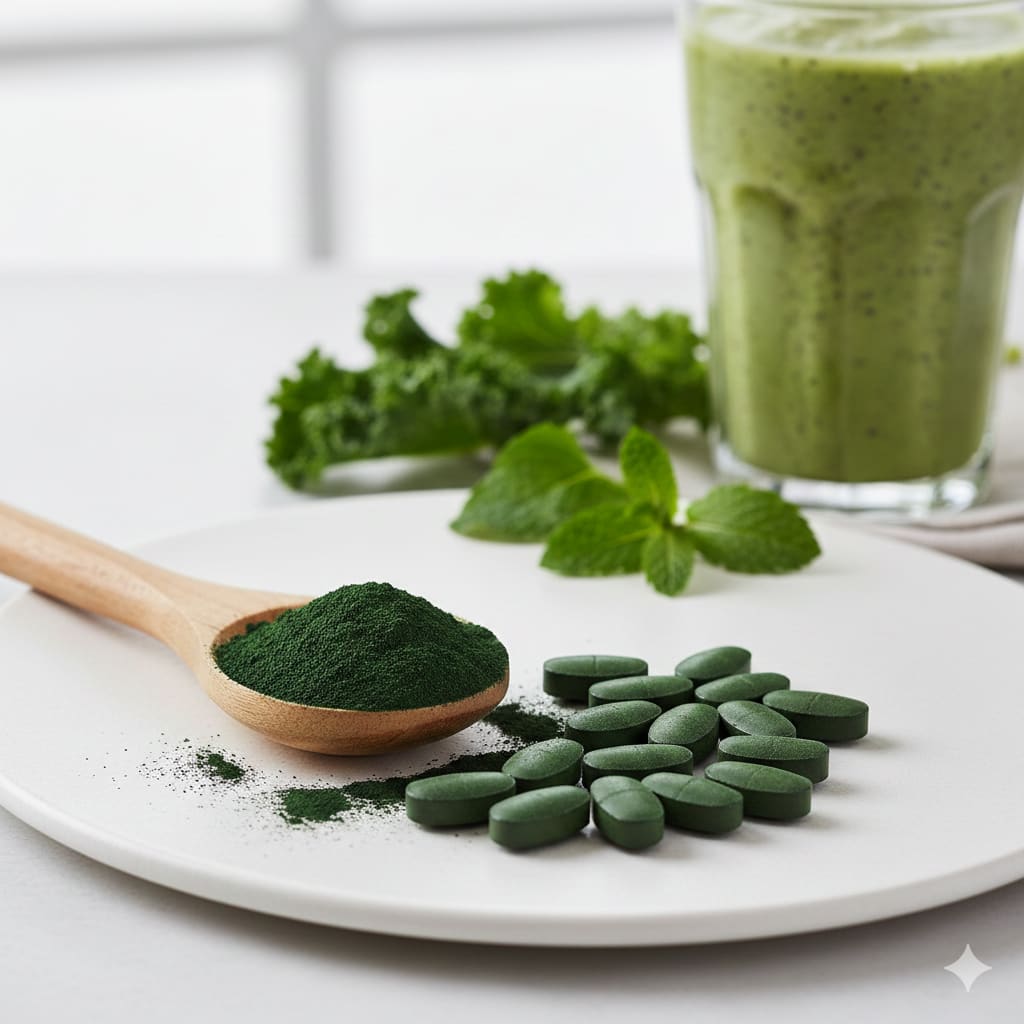
In recent years, spirulina has earned a strong reputation as one of the most powerful natural superfoods available today. Used for centuries by ancient civilizations and now backed by modern scientific research, spirulina is praised for its impressive nutritional profile and wide range of health benefits. From boosting energy levels to supporting immunity and detoxification, this microscopic algae has become a favorite among health-conscious individuals worldwide.
But what exactly is spirulina, how does it work, and how can you get full and reliable details before using it? Let’s explore everything step by step.
What Is Spirulina?
Spirulina is a type of blue-green algae that grows naturally in both fresh and saltwater. Despite being called algae, it is technically a cyanobacterium. It has been consumed for hundreds of years, notably by the Aztecs and certain African communities, as a nutrient-dense food source.
Today, spirulina is cultivated under controlled conditions and is commonly available in powder, tablet, or capsule form. Its deep green-blue color comes from powerful pigments like chlorophyll and phycocyanin, which are responsible for many of its health benefits.
Nutritional Powerhouse
One of the biggest reasons spirulina is so highly regarded is its exceptional nutritional content. A small amount delivers a large concentration of essential nutrients.
Spirulina contains:
High-quality plant-based protein (about 60–70%)
All essential amino acids
Iron, magnesium, potassium, and calcium
B vitamins (especially B1, B2, and B3)
Antioxidants, including phycocyanin
Omega-3 and omega-6 fatty acids
Chlorophyll for detoxification
Because of this dense nutrition, spirulina is often recommended for people with nutrient deficiencies, vegetarians, vegans, and individuals with high physical or mental demands.
Top Health Benefits of Spirulina
1. Boosts Energy and Reduces Fatigue
Spirulina helps improve energy levels naturally by supporting cellular metabolism and oxygen delivery. Unlike caffeine, it provides sustained energy without causing jitters or crashes. Many people report feeling more active and focused after regular use.
2. Strengthens the Immune System
Spirulina stimulates immune cells such as macrophages and natural killer cells. Its antioxidant properties help protect the body from infections, inflammation, and oxidative stress, making it especially useful during seasonal illnesses.
3. Supports Detoxification
One of spirulina’s most valuable benefits is its ability to bind with heavy metals and toxins. Chlorophyll and phycocyanin help the body eliminate harmful substances, supporting liver and kidney function.
4. Improves Digestive Health
Spirulina promotes the growth of healthy gut bacteria, improving digestion and nutrient absorption. It may help reduce bloating, constipation, and other digestive discomforts.
5. Helps Control Cholesterol and Blood Sugar
Research suggests that spirulina can help lower LDL (bad cholesterol) and triglycerides while increasing HDL (good cholesterol). It may also help stabilize blood sugar levels, making it beneficial for people with insulin resistance or type 2 diabetes when used under medical supervision.
6. Supports Weight Management
Due to its high protein content and appetite-regulating effects, spirulina can support weight loss by reducing hunger and improving metabolism. It is often included in weight management programs as a natural supplement.
7. Enhances Skin and Hair Health
The antioxidants and nutrients in spirulina help combat premature aging, acne, and dull skin. It also supports hair strength and growth by improving nutrient delivery to hair follicles.
How to Use Spirulina Safely
Spirulina is generally safe for most people when taken in recommended doses. It is usually consumed:
As tablets or capsules (500 mg to 3 grams daily)
As powder mixed into smoothies, juices, or water
Beginners should start with a low dose and gradually increase to avoid mild side effects such as nausea or headaches, which usually occur due to detoxification.
Who Should Avoid or Be Cautious?
While spirulina is natural, it may not be suitable for everyone. People who should consult a healthcare professional before using spirulina include:
Individuals with autoimmune diseases
Pregnant or breastfeeding women
People taking blood thinners
Those with phenylketonuria (PKU)
Quality also matters. Poorly sourced spirulina may be contaminated with heavy metals or toxins, so choosing a trusted brand is essential.
How to Get Full and Reliable Details About Spirulina
To get complete and accurate information about spirulina, follow these steps:
Read Scientific Studies – Look for peer-reviewed research on spirulina’s effects on immunity, cholesterol, and metabolism.
Consult Healthcare Professionals – Doctors, pharmacists, or nutritionists can provide personalized advice based on your health condition.
Check Product Labels – Ensure the spirulina is certified, tested, and sourced from reputable manufacturers.
Follow Trusted Health Websites – Use reliable medical and nutrition platforms instead of social media claims.
Start Slowly and Monitor Results – Keep track of how your body responds.
Conclusion
Spirulina is more than just a health trend—it is a scientifically supported superfood with remarkable benefits for energy, immunity, detoxification, digestion, and overall well-being. When used responsibly and sourced from high-quality producers, it can be a powerful addition to a healthy lifestyle.
However, like any supplement, spirulina should be used with proper knowledge and guidance. Understanding how it works, who it’s suitable for, and how to obtain reliable information ensures you get the maximum benefit safely.
If you’re looking for a natural way to support your body from the inside out, spirulina may be worth exploring—with awareness, balance, and informed choices.
About the Creator
shakir hamid
A passionate writer sharing well-researched true stories, real-life events, and thought-provoking content. My work focuses on clarity, depth, and storytelling that keeps readers informed and engaged.
Keep reading
More stories from shakir hamid and writers in Lifehack and other communities.
She Washed Her Hair With Coca-Cola
Ayesha never planned to wash her hair with Coca-Cola. It wasn’t part of a dare, a trend she proudly followed, or a scientific experiment. It happened on one of those lonely nights when sleep refuses to come and the mind becomes louder than the room itself. The city outside her apartment was quiet, but her thoughts were not.
By shakir hamid27 days ago in Lifehack
How to Choose the Right Moving Company in Boise, Idaho
Moving in Boise, Idaho, has become increasingly common as the city continues to grow and attract new residents. While Boise offers a balanced lifestyle and accessible neighborhoods, relocating within or into the area still requires thoughtful planning. Choosing the right moving company and understanding local conditions can make a significant difference between a smooth transition and a stressful experience.
By House Doctora day ago in Lifehack
Moving and Storage in Baltimore: Practical Tips for a Smoother Transition
Moving in Baltimore presents a unique set of challenges shaped by the city’s layout, historic neighborhoods, and active urban rhythm. From narrow streets and rowhouses to strict parking rules and seasonal traffic, relocating within or into Baltimore requires preparation and local awareness. Understanding how moving and storage work together can help residents manage transitions more efficiently and avoid common setbacks.
By House Doctora day ago in Lifehack


Comments
There are no comments for this story
Be the first to respond and start the conversation.