
The Art and Culture of Coffee: From Bean to Cup
Coffee's Global Influence: A Cultural and Culinary Phenomenon

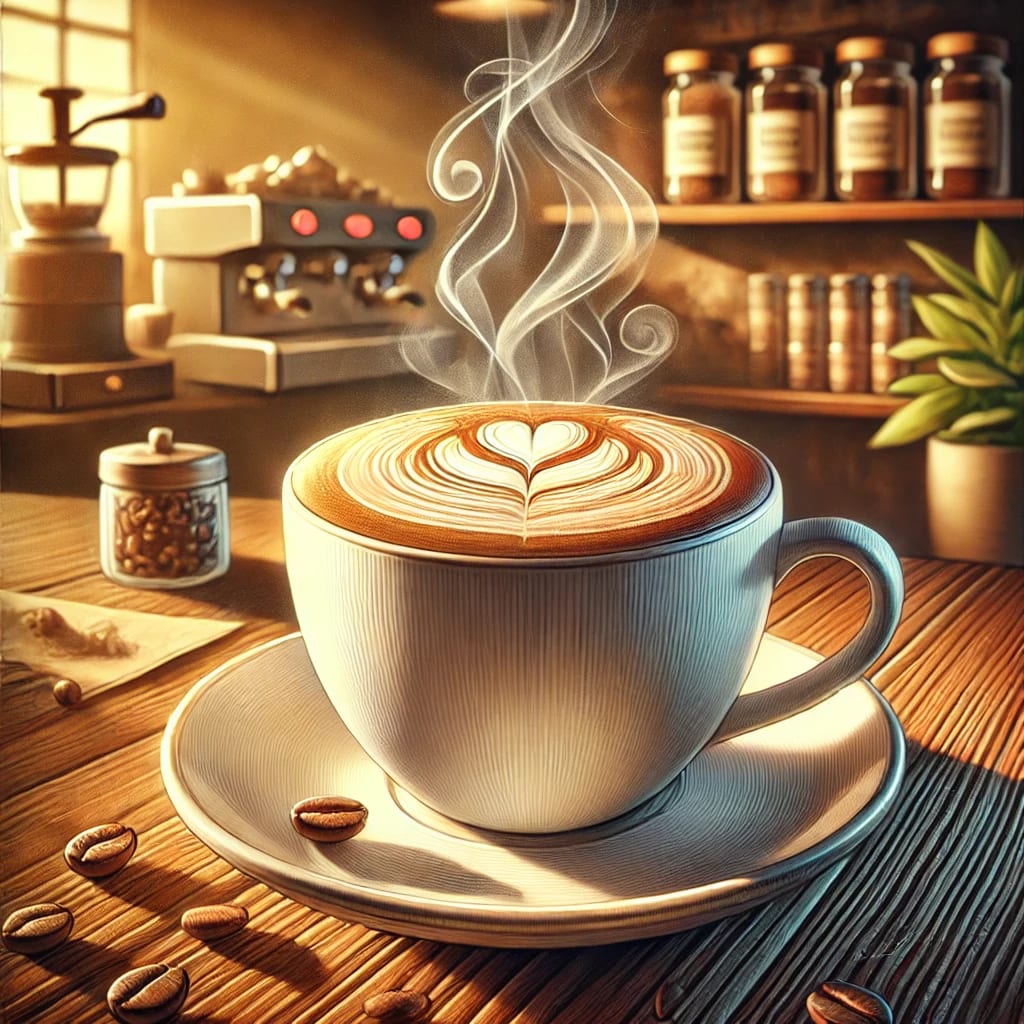
Coffee is more than just a beverage—it’s a ritual, a culture, and a global phenomenon. Across continents and cultures, coffee has been embraced as a daily staple, a symbol of social connection, and even an artistic endeavor. From its ancient origins in Ethiopia to its transformation into a billion-dollar global industry, coffee remains at the heart of countless stories, moments, and memories.
This article dives into the fascinating world of coffee, exploring its origins, processing methods, brewing techniques, and its cultural significance around the globe.
A Journey Through the Origins of Coffee
The story of coffee begins in the lush highlands of Ethiopia, where legend has it that a goat herder named Kaldi first discovered its invigorating effects. Observing his goats energetically dancing after eating red cherries from a particular tree, Kaldi experimented with the cherries himself. The exhilarating experience gave rise to the world’s most beloved caffeinated beverage.
From Ethiopia, coffee spread to the Arabian Peninsula, where it became an integral part of social and religious life. By the 15th century, Yemen had established the first coffee cultivation and trade, exporting beans to regions like Turkey and Persia. The beverage eventually made its way to Europe, fueling the Age of Enlightenment, where coffeehouses became hubs for intellectual exchange.
Coffee Farming and Processing
The Journey from Bean to Cup
Coffee production begins with a simple but vital plant: the Coffea shrub. Two primary species dominate the market—Arabica and Robusta. Arabica is celebrated for its nuanced flavors and is cultivated in high-altitude regions, while Robusta is known for its bold, bitter profile and higher caffeine content.
Harvesting
Harvesting coffee cherries is a labor-intensive process, often done by hand to ensure only ripe cherries are picked. Depending on the region, harvesting methods include selective picking (handpicking ripe cherries) or strip picking (removing all cherries from a branch).
Processing
The cherries undergo processing to extract the coffee beans. This can be done through:
The Wet Method (Washed Coffee): Cherries are pulped, fermented, and washed to remove the mucilage, resulting in clean, vibrant flavors.
The Dry Method (Natural Coffee): Cherries are dried in the sun before being hulled, imparting a fruity, complex profile to the beans.
Honey Processing: A hybrid method where some mucilage is retained during drying, producing beans with a balanced sweetness.
After processing, the beans are roasted to unlock their unique flavors and aromas. Roasting levels—light, medium, or dark—significantly influence the coffee’s taste profile, from the brightness of a light roast to the smoky richness of a dark roast.
Brewing the Perfect Cup
Brewing coffee is an art as much as it is a science. Different methods allow coffee lovers to experiment with flavors, textures, and aromas.
Popular Brewing Methods
Espresso
Espresso is the foundation for many coffee-based beverages, including lattes, cappuccinos, and macchiatos. A concentrated shot of coffee, espresso is made by forcing hot water through finely-ground beans.
French Press
The French press is a simple yet effective brewing method. Coarse coffee grounds are steeped in hot water, then separated using a metal plunger, resulting in a rich, full-bodied cup.
Pour-Over
This method emphasizes control and precision. Hot water is poured over coffee grounds in a circular motion, allowing the flavors to bloom gradually. Popular devices include the Hario V60 and Chemex.
Cold Brew
Cold brew involves steeping coarsely ground coffee in cold water for 12-24 hours. The result is a smooth, less acidic coffee that’s perfect for warm days.
AeroPress
Combining immersion and pressure, the AeroPress offers versatility in brewing, allowing enthusiasts to experiment with strength and flavor.
Coffee Culture Around the World
Coffee is more than just a drink; it’s a cultural phenomenon that brings people together. Here’s how coffee culture varies across regions:
Italy: The Home of Espresso
In Italy, coffee is an integral part of daily life. Italians often start their mornings with a cappuccino and indulge in quick espresso shots throughout the day. Coffee bars are social spaces where people gather to chat and unwind.
Ethiopia: Coffee Ceremonies
In Ethiopia, the birthplace of coffee, traditional ceremonies celebrate its significance. The process involves roasting green beans, grinding them by hand, and brewing in a jebena (a clay coffee pot), symbolizing hospitality and connection.
Turkey: Coffee with Heritage
Turkish coffee is an ancient tradition that involves boiling finely-ground coffee with water and sugar in a cezve. It is served unfiltered in small cups, often accompanied by a sweet treat.
Japan: The Rise of Specialty Coffee
Japan’s coffee culture emphasizes precision and artistry. From hand-poured siphon brewing to matcha-infused coffee creations, Japanese coffee shops are havens for innovation.
United States: The Third Wave Movement
In the U.S., the coffee industry has evolved through three waves—from mass production and chains like Starbucks to the third wave, which focuses on craft coffee, single-origin beans, and sustainability.
Health Benefits and Myths
Coffee has long been associated with both health benefits and myths. Here’s what science says:
Benefits
Rich in Antioxidants: Coffee is a significant source of antioxidants, which combat free radicals and reduce inflammation.
Boosts Cognitive Function: The caffeine in coffee enhances focus, alertness, and short-term memory.
Supports Heart Health: Moderate coffee consumption has been linked to a lower risk of heart disease and stroke.
Myths
Dehydration: Contrary to popular belief, coffee does not significantly dehydrate you. It contributes to your daily fluid intake.
Insomnia: While coffee can disrupt sleep if consumed late in the day, moderate morning consumption is unlikely to cause insomnia.
Sustainability and Ethical Coffee
With the rise of conscious consumerism, sustainability in coffee production is gaining traction. Practices such as shade-grown coffee, fair trade certifications, and direct trade models are helping ensure that farmers are paid fairly and that the environment is preserved.
Brands and cafes are increasingly adopting eco-friendly initiatives, from using recyclable packaging to supporting reforestation projects. By choosing ethical coffee, consumers can enjoy their daily cup with a clear conscience.
The Future of Coffee
As coffee continues to evolve, so do trends and innovations. Some emerging trends include:
Specialty Coffee: A growing emphasis on quality, traceability, and artisanal brewing techniques.
Alternative Brews: Coffee infused with adaptogens, CBD, and plant-based milks for a modern twist.
Tech-Driven Solutions: Apps and smart coffee makers are transforming how we purchase, brew, and enjoy coffee.
Conclusion
From its humble beginnings in Ethiopia to its status as a global cultural icon, coffee remains a universal language spoken by billions. Its journey from bean to cup is a testament to the craftsmanship, tradition, and innovation that have defined its history. Whether you savor a robust espresso in Italy, indulge in a ceremonial brew in Ethiopia, or craft a cold brew at home, coffee connects us in ways that few other beverages can.
So, the next time you sip your favorite brew, remember: you’re partaking in a legacy that transcends borders, generations, and cultures. Cheers to coffee—our daily dose of inspiration in a cup!
About the Creator
Royal
Creative writer
Reader insights
Nice work
Very well written. Keep up the good work!
Top insight
Heartfelt and relatable
The story invoked strong personal emotions
My New Book is Finally Here
My poetry collection Beautiful and Brutal Things is done. It's actually done and finally published over 270 pages. Over a year of my life went into this book. More than a year, really. Long days at my computer, sometimes seven days a week because I couldn't stop even when I probably should have. Then two months of editing that felt harder than the writing itself. But it's finished, and I'm still standing, and the book is real.
By Tim Carmichaela day ago in BookClub




Comments (1)
Amazing🥰