
Toyota: A Legacy of Innovation, Sustainability, and Reliability
Exploring Toyota's Journey of Innovation, Sustainability, and Global Impact in the Automotive Industry

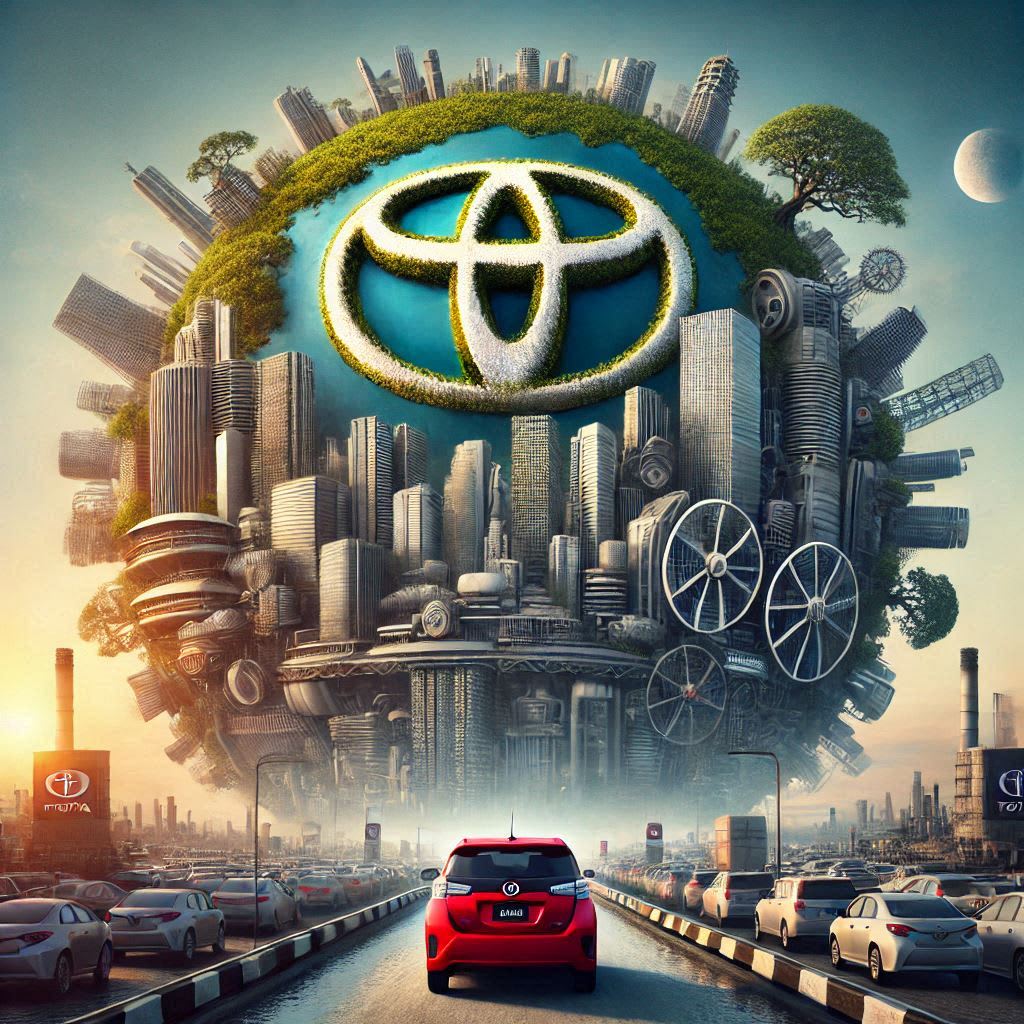
Toyota is a name that resonates globally, symbolizing innovation, reliability, and sustainability. From humble beginnings in Japan to becoming one of the most trusted automobile manufacturers worldwide, Toyota has consistently set benchmarks in the automotive industry. This article dives deep into Toyota's legacy, innovative technologies, and commitment to sustainability while highlighting why the brand continues to dominate the global market.
A Brief History of Toyota: From Looms to Automobiles
Toyota Motor Corporation was founded in 1937 by Kiichiro Toyoda, an ambitious entrepreneur who transitioned the family business from manufacturing automatic looms to building automobiles. The first car, the Toyota Model AA, rolled off the production line in 1936. This vehicle marked the beginning of Toyota’s journey toward excellence.
Over the decades, Toyota expanded its reach beyond Japan, entering the United States market in 1957 with the introduction of the Toyota Crown. By the 1980s, the company had firmly established itself as a global automotive powerhouse, known for producing vehicles that balanced affordability, durability, and efficiency.
Commitment to Quality: The Toyota Production System
One of the cornerstones of Toyota's success is the Toyota Production System (TPS). This revolutionary approach to manufacturing emphasizes efficiency, waste reduction, and continuous improvement, a philosophy known as "Kaizen." By focusing on lean production techniques, Toyota ensures high-quality vehicles while minimizing environmental impact.
TPS has become a model for industries worldwide, demonstrating Toyota's influence beyond the automotive sector. The system's principles—just-in-time production and Jidoka (automation with a human touch)—are key to the company's reputation for delivering reliable, defect-free vehicles.
Innovation at the Core: Pioneering Technologies
Toyota has always been at the forefront of automotive innovation. From hybrid technology to autonomous driving, the brand continues to push boundaries.
1. Hybrid Revolution
Toyota revolutionized the automotive industry with the launch of the Toyota Prius in 1997, the world’s first mass-produced hybrid car. The Prius combined a gasoline engine with an electric motor, significantly reducing fuel consumption and emissions. This groundbreaking innovation paved the way for other hybrid and electric vehicles, solidifying Toyota's role as a pioneer in eco-friendly transportation.
2. Electric Vehicles (EVs)
As the world shifts towards electrification, Toyota is investing heavily in developing EV technology. The bZ4X, the company’s first fully electric SUV, exemplifies its commitment to a sustainable future. Toyota plans to introduce more than 30 EV models globally by 2030, targeting carbon neutrality across its operations.
3. Hydrogen Fuel Cell Technology
Toyota is also a leader in hydrogen fuel cell technology. The Toyota Mirai, introduced in 2014, is a hydrogen-powered vehicle that emits only water vapor. This innovative approach addresses both energy efficiency and environmental concerns, showcasing Toyota's dedication to sustainable innovation.
4. Autonomous Driving and AI
Toyota's advancements in autonomous driving technologies are setting the stage for safer and smarter transportation. The company is developing AI-powered systems that enhance driving experiences while reducing accidents, further cementing its position as an industry leader.
Sustainability at the Heart of Toyota’s Mission
Toyota’s vision extends beyond manufacturing cars; it’s about creating a sustainable future. The company’s environmental initiative, the Toyota Environmental Challenge 2050, aims to reduce the environmental impact of its operations and products.
1. Carbon Neutrality
Toyota is committed to achieving carbon neutrality by 2050. By focusing on renewable energy sources, green manufacturing practices, and producing zero-emission vehicles, the company is leading the charge in combating climate change.
2. Circular Economy
Toyota promotes a circular economy by recycling materials, reducing waste, and reusing resources. For example, its plants use innovative techniques to recycle water and reduce energy consumption.
3. Sustainable Development Goals (SDGs)
The company aligns its strategies with the United Nations’ SDGs, ensuring its operations contribute positively to global sustainability efforts.
Toyota’s Global Impact: A Brand That Resonates Worldwide
With over 10 million vehicles sold annually, Toyota's impact on the global market is undeniable. Its diverse lineup of vehicles caters to various needs, from compact sedans like the Corolla to rugged SUVs like the Land Cruiser. Toyota's success lies in its ability to balance tradition with innovation, creating cars that appeal to a wide range of customers.
1. Reliability and Durability
Toyota vehicles are renowned for their reliability. Models like the Corolla and Camry have consistently ranked among the best-selling cars globally due to their longevity and low maintenance costs.
2. Affordability
Toyota’s commitment to producing affordable vehicles has made it a popular choice for first-time buyers and families. The company’s ability to deliver value without compromising quality ensures customer loyalty.
3. Community Initiatives
Toyota's influence extends beyond automobiles. The company invests in community development, education, and disaster relief programs, reinforcing its reputation as a socially responsible brand.
Challenges and the Road Ahead
Despite its achievements, Toyota faces challenges in an evolving automotive landscape. The rise of new competitors, advancements in EV technology, and stricter environmental regulations demand continuous adaptation.
However, Toyota’s strong foundation, innovative mindset, and commitment to sustainability position it well to overcome these challenges. By embracing change and staying true to its core values, Toyota is poised to remain a leader in the automotive industry.
Conclusion: Why Toyota Remains Unmatched
Toyota’s journey from a small Japanese company to a global automotive giant is a testament to its vision, innovation, and commitment to quality. By continuously adapting to the needs of the market and prioritizing sustainability, Toyota has solidified its reputation as a brand that customers trust and admire.
As the automotive industry moves towards a greener and more connected future, Toyota’s dedication to innovation and sustainability ensures it will continue to lead the way. Whether it’s hybrid technology, electric vehicles, or hydrogen-powered cars, Toyota’s legacy is built on creating solutions that make the world a better place.
About the Creator
Royal
Creative writer
Time Management Vs Money Management
In today’s fast-paced world, two skills are often highlighted as essential for success: time management and money management. Both are considered pillars of a productive and stable life, yet people frequently debate which one matters more. Is it better to manage your time perfectly or to handle your money wisely? The truth is that both are deeply connected, but they play different roles in shaping personal growth, career success, and long-term happiness.
By shaoor afridi2 days ago in Lifehack




Comments (1)
Fantastic! Well written. Good job! Amazing! Wonderful. Congratulations!