
Sleepless Nights
Sleepless Nights may harm your heart
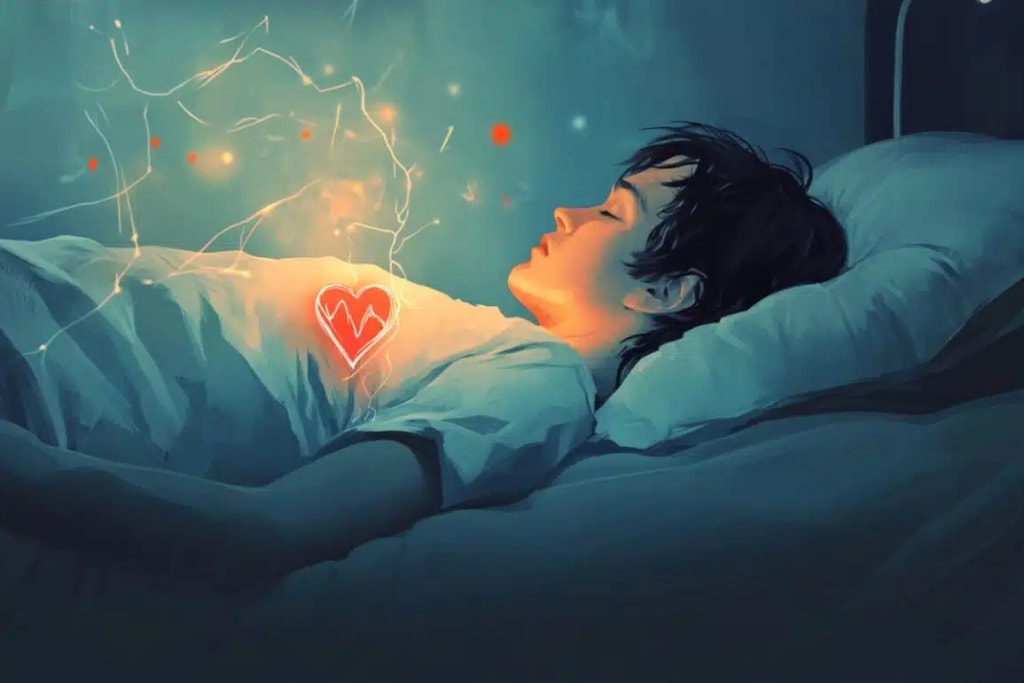
Three Ways a Lack of Sleep Can Damage Your Heart Sleep is not just a time of rest—it's a crucial period during which your body and brain perform essential maintenance. While an occasional restless night may not seem like a big deal, emerging research shows that even just three consecutive nights of poor sleep can begin to harm your heart. The connection between sleep and cardiovascular health is stronger than most people realize, and depriving your body of rest can set off a cascade of negative effects, especially for your heart.
Sleep-Heart Connection Your heart works around the clock, pumping blood and delivering oxygen to every cell in your body. To keep it functioning properly, the cardiovascular system depends on balance and recovery—both of which happen during sleep. When you don’t get enough rest, your body enters a state of stress. Hormones like cortisol and adrenaline spike, increasing your heart rate and blood pressure. Over time, this state of stress can lead to serious heart problems, but even in the short term, the effects are measurable.
What Happens After 3 Nights of Poor Sleep?
The majority of people experience drowsiness, moodiness, and decreased focus after one night of inadequate sleep. However, the real danger begins when sleep deprivation stretches over multiple nights—especially three or more in a row. At this point, your body begins to accumulate a "sleep debt" that puts increasing strain on the heart.
Here’s what happens to your cardiovascular system after three sleepless nights:
1. Increased Blood Pressure: Sleep helps regulate blood pressure. When you sleep less, your blood vessels don't get a chance to relax, leading to elevated pressure even during rest. After three nights, studies show a significant rise in both systolic and diastolic blood pressure.
2. Elevated Heart Rate: Normally, your heart rate slows down during deep sleep. Without this recovery period, your heart stays in overdrive. A faster resting heart rate is linked to higher risks of heart disease and stroke.
3. Inflammation and Artery Damage: Sleep loss increases inflammation throughout the body. This can damage the lining of your blood vessels, promoting the buildup of plaque (atherosclerosis), which narrows arteries and reduces blood flow—two major contributors to heart attacks.
4. Insulin Resistance: Poor sleep also interferes with how your body uses insulin, leading to higher blood sugar levels. Over time, this contributes to obesity, diabetes, and metabolic syndrome, which all increase heart disease risk.
Why Three Nights is a Tipping Point
Although three nights without sleep may not seem like much, research indicates that this is the point at which the body is unable to make up for the lack of sleep. While the first night may reduce your alertness and reaction time, and the second might affect your mood and memory, by the third, your autonomic nervous system (which controls heart rate and blood pressure) becomes significantly dysregulated. This means that your body remains in a heightened state of alert, which stresses your heart even further.
In point of fact, a study that took place in 2023 and was published in the journal Sleep found that healthy young adults experienced significant increases in blood pressure and decreases in heart rate variability after only three nights of restricted sleep (less than 5 hours). Long-Term Risks of Sleep Deprivation
While short-term sleep deprivation can lead to immediate issues, prolonged or repeated sleep deprivation can lead to heart disease over time. According to the American Heart Association, adults who regularly sleep less than 6 hours per night are significantly more likely to develop:
Coronary artery disease
Heart failure
Irregular heartbeat (arrhythmia)
Stroke
Moreover, sleep deprivation is linked with unhealthy lifestyle habits like poor diet, lack of exercise, and increased use of alcohol or caffeine—all of which can compound the risks to your heart.
How to Protect Your Heart
Fortunately, the negative effects of short-term sleep loss can be reversed with proper rest. If you’ve had a few rough nights, prioritize getting back on track with good sleep hygiene:
Stick to a regular sleep schedule, even on weekends.
Avoid screens and bright lights before bed.
Limit caffeine and alcohol, especially in the evening.
Create a restful sleep environment, cool, quiet, and dark.
If you continue to have trouble sleeping or feel constantly tired despite getting enough hours, it might be worth speaking to a doctor to check for underlying issues like sleep apnea or insomnia.
Final Thoughts
Sleep is more than a luxury—it’s a necessity for heart health. While one night of poor rest may not cause lasting damage, three consecutive nights can begin to strain your heart and disrupt key bodily systems. By recognizing the early warning signs and prioritizing quality sleep, you can protect both your heart and your overall wellbeing.
About the Creator
Keep reading
More stories from Rifan Sami and writers in Lifehack and other communities.
Clean Water
Clean Water: Our Planet's Lifeline One of the most important resources on Earth is clean water, which is necessary not only for human survival but also for the well-being of the environment and all living things. It is a fundamental human right, a foundation for life, and a representation of purity. Water that is clean, uncontaminated, and safe for drinking and other uses is referred to as "clear water." It must be free of harmful bacteria, chemicals, and pollutants, and its transparency often represents cleanliness and quality. Access to clean water has an impact on public health, agriculture, wildlife survival, economic development, and life quality all over the world. Clear water readily flows from faucets in many developed nations, making its true value easy to forget. However, in many parts of the world, even a small amount of clean water must be sourced from polluted or dirty sources, and sometimes people are forced to travel great distances to obtain it. Waterborne diseases, particularly in children, are brought on by a lack of clean water, which perpetuates the cycle of poverty and poor health. As a result, clean water is more than just a natural resource; it is also a tool for fairness, equality, and dignity. Whether it is present or not reveals significant social and economic divides. The process of purifying water has evolved technologically over time. Reverse osmosis, chlorination, UV treatment, and filtration systems are just a few of the methods used to guarantee that the water is safe for consumption. However, the global water crisis persists despite our technological capabilities. Degradation of freshwater sources is exacerbated by a number of factors, including climate change, industrial pollution, deforestation, and improper waste disposal. Underground aquifers, lakes, and rivers are becoming increasingly contaminated or depleted. Despite the rise in demand brought on by population growth and urbanization, it is becoming harder to find clean water. Poor irrigation practices and the use of pesticides contribute to water loss and contamination in agriculture, which uses the most freshwater. Industrial waste and untreated sewage frequently end up in rivers and lakes in urban areas, contaminating once-clear waters with toxic mixtures. These issues demonstrate that conserving and managing water in a responsible manner are just as important to protecting clear water as access. Individuals, communities, and governments all play a part. To manage water sustainably and prevent pollution, laws and regulations are necessary, but community involvement is just as crucial. Local initiatives that educate people about sanitation, plant trees, clean rivers, and protect watersheds make a big difference. In addition, innovation can offer solutions. Water recycling, desalination, rainwater harvesting, smart water meters, and other methods of rethinking our relationship with water are examples. Additionally, education is crucial. People are more likely to conserve clean water, report pollution, and demand that leaders take action when they realize its importance. Water stewardship and awareness are spread through campaigns, media, and schools. Clean water has a significant spiritual and cultural significance. It is used in rituals in many religions as a symbol of purification, renewal, and peace. Water's beauty and power have long been discussed in literature by poets and philosophers. It makes people think, relaxes the mind, and connects them to nature. Water that is crystal clear is frequently portrayed as a reflection of the soul in literature and art. It serves as a reminder of how powerful and life-altering something as straightforward as that can be. Clear water attracts people to lakes, rivers, and oceans for tourism and recreation, offering beauty, relaxation, and revenue for local economies. However, sustainable practices are required because overtourism can also harm water quality. In conclusion, clean water is more than just a physical substance; it is also a life-sustaining force, a shared resource, and a duty. Protecting and providing clean water becomes one of humanity's greatest challenges as the world's population grows and environmental pressures grow. Clear water connects us all, whether we live in cities or villages, in wealth or poverty. We need to treat it with consideration, make smart use of it, and make sure that future generations can enjoy the same blessing. Our values—how we treat nature, each other, and ourselves—are reflected in the clarity of our water.
By Rifan Sami9 months ago in Lifehack
Winter Storm Updates: Heavy Snow, Crippling Ice and Frigid Temperatures Forecast to Hit More Than Two Dozen States This Weekend
A major winter storm is taking shape and poised to unleash heavy snow, widespread ice, dangerous travel conditions, and brutally cold temperatures across a vast swath of the United States this weekend. Meteorologists say this system could become one of the most impactful storms of the winter season, affecting millions of people from the Southern Plains all the way to the Northeast.
By Salaar Jamali7 days ago in Lifehack




Comments
There are no comments for this story
Be the first to respond and start the conversation.