

Clean Water: Our Planet's Lifeline One of the most important resources on Earth is clean water, which is necessary not only for human survival but also for the well-being of the environment and all living things. It is a fundamental human right, a foundation for life, and a representation of purity. Water that is clean, uncontaminated, and safe for drinking and other uses is referred to as "clear water." It must be free of harmful bacteria, chemicals, and pollutants, and its transparency often represents cleanliness and quality. Access to clean water has an impact on public health, agriculture, wildlife survival, economic development, and life quality all over the world. Clear water readily flows from faucets in many developed nations, making its true value easy to forget. However, in many parts of the world, even a small amount of clean water must be sourced from polluted or dirty sources, and sometimes people are forced to travel great distances to obtain it. Waterborne diseases, particularly in children, are brought on by a lack of clean water, which perpetuates the cycle of poverty and poor health. As a result, clean water is more than just a natural resource; it is also a tool for fairness, equality, and dignity. Whether it is present or not reveals significant social and economic divides. The process of purifying water has evolved technologically over time. Reverse osmosis, chlorination, UV treatment, and filtration systems are just a few of the methods used to guarantee that the water is safe for consumption. However, the global water crisis persists despite our technological capabilities. Degradation of freshwater sources is exacerbated by a number of factors, including climate change, industrial pollution, deforestation, and improper waste disposal. Underground aquifers, lakes, and rivers are becoming increasingly contaminated or depleted. Despite the rise in demand brought on by population growth and urbanization, it is becoming harder to find clean water. Poor irrigation practices and the use of pesticides contribute to water loss and contamination in agriculture, which uses the most freshwater. Industrial waste and untreated sewage frequently end up in rivers and lakes in urban areas, contaminating once-clear waters with toxic mixtures. These issues demonstrate that conserving and managing water in a responsible manner are just as important to protecting clear water as access. Individuals, communities, and governments all play a part. To manage water sustainably and prevent pollution, laws and regulations are necessary, but community involvement is just as crucial. Local initiatives that educate people about sanitation, plant trees, clean rivers, and protect watersheds make a big difference. In addition, innovation can offer solutions. Water recycling, desalination, rainwater harvesting, smart water meters, and other methods of rethinking our relationship with water are examples. Additionally, education is crucial. People are more likely to conserve clean water, report pollution, and demand that leaders take action when they realize its importance. Water stewardship and awareness are spread through campaigns, media, and schools. Clean water has a significant spiritual and cultural significance. It is used in rituals in many religions as a symbol of purification, renewal, and peace. Water's beauty and power have long been discussed in literature by poets and philosophers. It makes people think, relaxes the mind, and connects them to nature. Water that is crystal clear is frequently portrayed as a reflection of the soul in literature and art. It serves as a reminder of how powerful and life-altering something as straightforward as that can be. Clear water attracts people to lakes, rivers, and oceans for tourism and recreation, offering beauty, relaxation, and revenue for local economies. However, sustainable practices are required because overtourism can also harm water quality. In conclusion, clean water is more than just a physical substance; it is also a life-sustaining force, a shared resource, and a duty. Protecting and providing clean water becomes one of humanity's greatest challenges as the world's population grows and environmental pressures grow. Clear water connects us all, whether we live in cities or villages, in wealth or poverty. We need to treat it with consideration, make smart use of it, and make sure that future generations can enjoy the same blessing. Our values—how we treat nature, each other, and ourselves—are reflected in the clarity of our water.
About the Creator
Keep reading
More stories from Rifan Sami and writers in Lifehack and other communities.
Why do cats bring home dead animals?
There are a few reasons why cats bring dead animals home, and the majority of them stem from instinct: 1. Hunting instinct: Even domestic cats that are fed well are naturally hunters. That instinct includes the act of bringing prey home. It's just what they're wired to do, not because they're hungry. 2. "Gifting" behavior: Some experts believe that cats give their owners dead animals as gifts or offerings. Mother cats bring food back from the wild to teach their offspring how to eat and hunt. Some people think that your cat thinks of you as a big, clumsy kitten who needs help! 3. Cats may be marking their territory or displaying their catch in their "domain" by dropping their prey close to your home. 4. Safe place to eat: If a cat doesn't feel safe eating their catch outside, they might bring it back to their home, which is likely your house, where they are more comfortable. Although it may appear disgusting, a cat may view it as normal or at least sweet. Are you looking for ways to stop it?
By Rifan Sami9 months ago in Lifehack
Planning a Successful Move in Boise, Idaho: What to Look for in Professional Movers
Moving in Boise, Idaho, often feels straightforward at first glance. The city is known for its accessible neighborhoods, manageable traffic compared to larger metro areas, and steady growth. However, relocation still involves many decisions that can influence how smooth—or stressful—the experience becomes. One of the most important choices is selecting movers who are prepared, reliable, and familiar with local conditions.
By House Doctorabout 7 hours ago in Lifehack
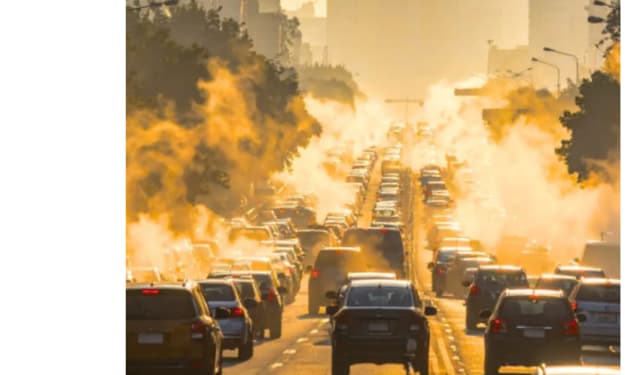
Your heart and digestive system may be harmed simultaneously by breathing contaminated air.
It is well known that there are numerous health concerns associated with breathing contaminated air. More precise information is revealed by a new study, which demonstrates that air pollution may damage the human heart and intestines at the same time.
By Francis Dami5 days ago in Lifehack



Comments
There are no comments for this story
Be the first to respond and start the conversation.