
Rooted and Rising
How Yoga Builds Balance On and Off the Mat


We live in a world that at times appears topsy-turvy. Duties pull in a dozen directions, screens beckon endless distraction, and the breakneck speed can leave one perpetually on edge. We juggle responsibilities, navigate complex relationships, and constantly react to stimuli. Amidst the whirlwind, the simple act of balancing on one leg in Tree Pose can appear a fleeting instant of instability. But within that wobble, and within the practice of yoga itself, lies a profound method of reaching for balance, not just on the body but on the mind and the emotions too.
Having spent decades rolling out the mat, instructing others, and exploring the depth of this old practice myself, I assure you this has little to do with posing for the camera or bending your toes. It is about the quiet, but profound, realignment that takes place in you, breath by breath, movement by thoughtful stillness. It is about building an internal compass that helps you navigate the unavoidable imbalances of contemporary life more easily and more robustly.
Before we dive in — if you’re on a journey to improve your physical and mental balance through yoga, I highly recommend this Weekly Fitness Planner Template. It’s free, printable, and perfect for mapping out your practice and progress, one mindful week at a time.
The Tangible Tilt: Physical Equilibrium, From the Ground Up
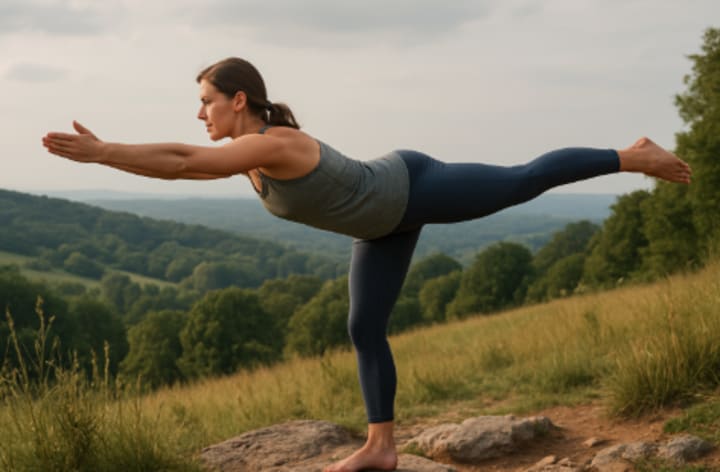
Let’s begin with the most obvious, the most immediately tangible gain: yoga clearly does improve physical balance. Asanas such as Vrksasana (Tree Pose), Virabhadrasana III (Warrior III), and Natarajasana (Dancer’s Pose) are not just static postures; they are dynamic calls to examine your connection to gravity. They test your proprioception — your body’s advanced sense of where it is in space — in gentle yet profound ways.
By repeatedly taking these positions, you’re not just standing there; you’re actually building and fortifying the complex web of stabilizing muscles in your core, hips, legs, and even the lesser-known muscles in your feet and ankles. You become comfortable micro-adjusting, weight-shifting reflexively, and setting up a solid base even on unlevel terrain (both literal and metaphorical). This is not a matter of posing; it’s a matter of cultivating a deeper, more intuitive sense of connection to the earth beneath your feet, so that you become more grounded and secure in your body. This greater physical stability has a direct effect on daily life, heightening your posture, reducing the risk of falling, and causing movement to feel more fluid, confident, and less prone to injury.
The Mental Landscape: Anchoring the Mind in the Present
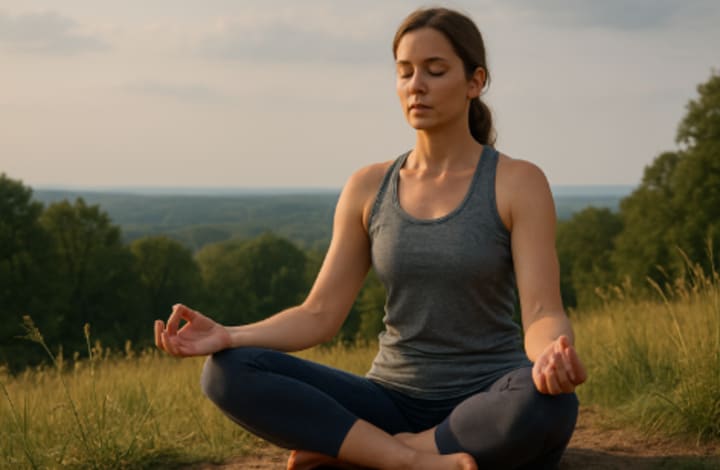
But the life-renewing potential of yoga goes far beyond the purely physical. The conscious focus on breathing, or pranayama, is one of the foundations of the practice and a powerful anchor in the all-too-whirlpool waters of our minds. As you are invited to synchronize your movement with your breaths, you are actually training your mind to stay present, to just observe the present moment and not get lost in the past or anxious about the future.
This awareness of the present moment cultivated on the mat is a skill that overflows into your life off the mat, as a powerful skill for mental equilibrium. You become less reactive to the ongoing flow of language in your inner conversation, able to observe thoughts as temporary phenomena rather than getting caught up in them. This creates room — a critical space between stimulus and response — allowing you to meet challenge more clearly and less reactively. The ability to find a still point within a challenging pose, to breathe through pain without collapsing, is precisely the manifestation of your growing ability to find calm and mental clarity in the presence of life’s inevitable stressors and demands. You learn to observe the “wobble” of doubt or anxiety without being completely destabilized by it.
Balance doesn’t just come from poses — it grows from consistency. If you want to stay on track, the Weekly Fitness Planner Template offers a simple, free way to plan your sessions, track how you feel, and reflect as you go.
The Emotional Ecosystem: Navigating Feelings with Compassion
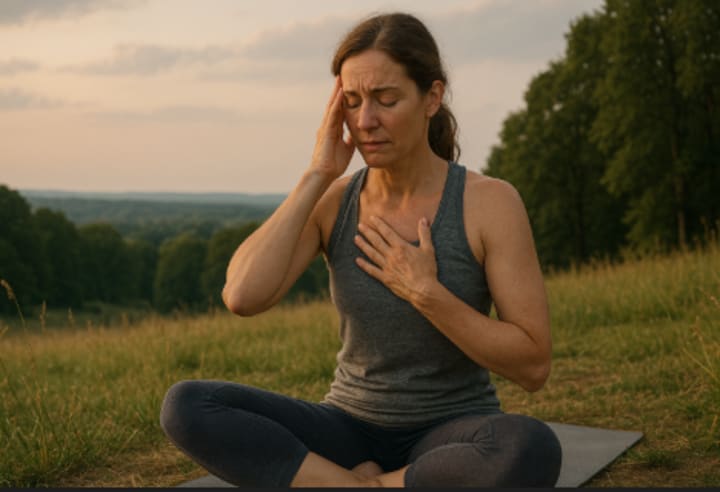
Perhaps the most profound type of balance that yoga provides is emotional balance. Holding challenging postures, exploring deep stretch, or just sitting in stillness may evoke an unexpected range of emotion and feeling — frustration, irritability, exposure, even the desire to run away. But with consistent practice, accompanied by the support of a compassionate teacher and your growing self-awareness, you discover you can meet these emotions not with resistance and judgment but with presence and acceptance.
You discover a reservoir of resilience within yourself, a sense that pain, physical or emotional, is at times transient and can be met with breath, gentle resolve, and compassion. The mat is a sanctuary to feel, to process, and to release. Also, the focus on ahimsa (non-violence) and santosa (contentment), which are occasionally included in yoga philosophy and practice, promotes a gentler, more compassionate relationship with yourself. You come to honor the intelligence and restrictions of your body on a specific day, to acknowledge and to delight in little victories and glimpses of ease, and to be with yourself with the same gentle awareness and compassion you cultivate in a restorative pose. This cultivated inner acceptance, this becoming comfortable being with you exactly as you are, is the ground of genuine and lasting emotional balance. It allows you to navigate the emotional storms of life without being wrecked.
Beyond the Pose: Integrating Balance into the Rhythm of Life
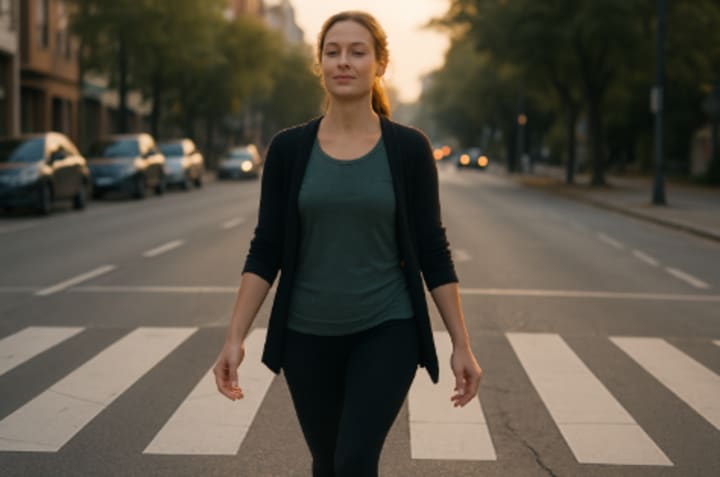
The true magic of yoga is its translatable nature. The physical stability, mental clarity, and emotional resilience you build on your mat aren’t meant to stay stuck there. They are habits, a mindset, that you can intentionally and unintentionally bring with you into all areas of your life. It’s about discovering that balance of effort and ease in your work, knowing when to push and when to rest. It’s about achieving balance in your relationships, knowing when to give and receive, when to speak and when to listen.
It’s about listening to the subtle cues of your body and mind throughout the day and responding with awareness rather than autopilot. Do you need to take a few deep breaths before a difficult conversation? Can you walk through the world a little taller? Can you meet a moment of frustration with a moment of mindful pause? These are how the balance you learn on the mat carries over into your life, harmonizing and centering your life.
The Path of Returning to Center
Yoga balance isn’t something you achieve and then just stay. It’s a process that you work on continually, a path of returning to center again and again. Some days the poses will flow easily and in a steady way; other days you’ll stumble and possibly fall. There will be days when your mind will be calm; on others, it will be a whirlwind. And that’s okay. The practice isn’t about achieving perfect stillness, but learning to develop awareness and the skills to work with the natural ebbs and flows of life with greater equanimity.
So the next time you get on your mat, remember it’s not about mastering a perfect posture or getting a workout. It’s about devoting time to yourself, to your breath, and to the deep work of establishing inner and outer balance. It’s about standing on your feet, breathing deep, and ultimately, standing strong in your unshakeable center in a world that is ever-moving. And that, my friends, is a balance worth striving for, a practice that yields long-time dividends well beyond the edges of your mat.
Yoga is about showing up for yourself, every single day. So why not give yourself a little structure along the way? Download the Weekly Fitness Planner Template for free and turn your good intentions into a lasting wellness routine.
About the Creator
Velma Lovemore
I’m Velma Lovemore. I write about self-improvement, healthy living, and simple habits to help you live with more intention, balance, and ease.
Keep reading
More stories from Velma Lovemore and writers in Lifehack and other communities.
Work Less, Create More: Why Smart Creators Are Delegating Their Work
What once required a publishing company can now be done with a laptop, a website, and a strong idea. But as many bloggers quickly discover, running a successful online platform involves far more than writing articles.
By Bella Clumabout 3 hours ago in Lifehack
Wedding RSVPs Made Easy: A 2026 Planning Guide
Couples are juggling timelines, vendors, budgets, travel schedules, and guests who live on their phones. Because of that, the RSVP process has changed dramatically. What once depended on mailed cards and handwritten responses has shifted into a digital first system built around speed and clarity.
By Vala Flynnabout 5 hours ago in Lifehack


Comments
There are no comments for this story
Be the first to respond and start the conversation.