
Receding Hairline Solutions: How Hair Transplants Can Restore Your Confidence
Unleash a New Level of Confidence with Hair Transplants

A receding hairline is one of the most common forms of hair loss, affecting both men and women. It often starts gradually, but over time, it can become a source of frustration and insecurity. While this change may seem like an inevitable part of aging, the good news is that effective solutions are available. Hair transplants, in particular, offer a proven way to restore your hairline—and with it, your confidence.
Understanding the Receding Hairline
A receding hairline typically begins at the temples and gradually moves backward, forming an "M" shape. For some people, this process starts as early as their 20s, while others may not notice it until later in life. Factors like genetics, hormones, and even lifestyle can contribute to the speed and extent of hairline recession.
For many, the emotional impact of a receding hairline is significant. Hair is closely tied to self-image, and losing it can make you feel older, less attractive, and less confident in social or professional settings. Fortunately, a hair transplant can not only restore your hairline but also help you regain the confidence you once had.
How Hair Transplants Work for Receding Hairlines
A hair transplant is a minimally invasive procedure where healthy hair follicles from a donor area—usually the back or sides of your scalp—are carefully transplanted to thinning or balding areas. For a receding hairline, surgeons focus on recreating a natural, youthful hairline using your own hair.
There are two primary methods of hair transplants used to address receding hairlines:
- FUE (Follicular Unit Extraction): This method involves removing individual hair follicles from the donor area and transplanting them to the hairline. FUE is known for its precision and leaves no linear scarring.
- FUT (Follicular Unit Transplantation): In this method, a strip of skin with healthy hair follicles is removed from the donor area, and the follicles are then transplanted to the hairline. FUT can be a good option if larger areas of the scalp need coverage.
Both techniques can deliver excellent results, but the choice between them depends on your specific hair loss pattern, the density of your donor area, and your surgeon’s recommendation.
The Benefits of a Hair Transplant for Your Hairline
One of the biggest advantages of a hair transplant is that it offers a permanent solution to hair loss. Unlike temporary fixes like topical treatments or wigs, a hair transplant provides lasting results using your natural hair, which grows and behaves just like the rest of your hair.
- Natural-Looking Results: Modern hair transplant techniques ensure that your new hairline looks completely natural. Surgeons design the hairline based on your facial structure, hair type, and personal preferences, creating results that seamlessly blend with your existing hair.
- Boost in Confidence: A restored hairline can dramatically improve your appearance, making you look younger and more vibrant. With a fuller hairline, you’ll likely feel more confident in both personal and professional interactions.
- Low Maintenance: Once your transplanted hair grows in, you can treat it just like the rest of your hair—cutting, styling, and washing it as usual. There’s no need for special treatments or maintenance beyond your regular hair care routine.
Psychological Impact: Restoring Confidence
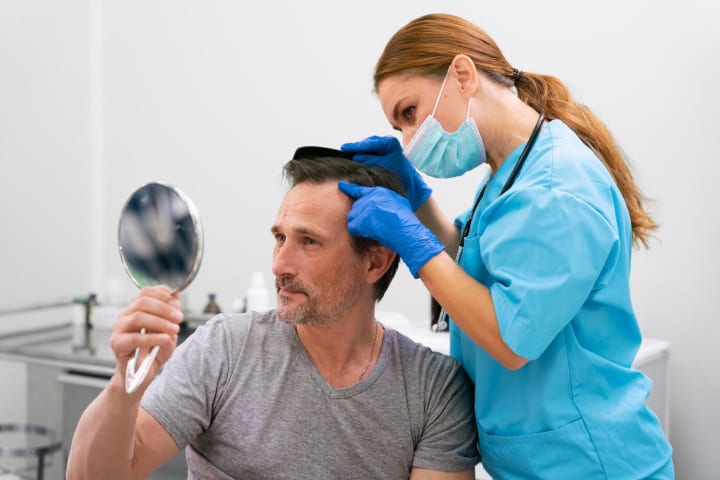
Hair loss, especially a receding hairline, often affects how you see yourself. Many people experience lower self-esteem and may even withdraw from social situations because they feel self-conscious about their appearance. The psychological toll can be immense, but a hair transplant can change that.
By restoring your hairline, you’re also restoring a key aspect of your identity. You’ll no longer feel the need to hide your hairline under hats or avoid mirrors. Instead, you can embrace your appearance and feel more comfortable in your own skin. Whether it’s dating, attending events, or pursuing career opportunities, having a full head of hair can give you the self-assurance to approach life with confidence.
Is a Hair Transplant Right for You?
If you’re considering a hair transplant for your receding hairline, it’s important to consult with a qualified hair restoration specialist. They can assess your hair loss, discuss your goals, and recommend the best approach for your specific situation.
While hair transplants are highly effective, they may not be suitable for everyone. The quality of your donor hair, the extent of your hair loss, and your overall health are factors that will influence the outcome of the procedure. During a consultation, your surgeon will explain what you can realistically expect and whether you’re a good candidate for the procedure.
Post-Transplant Expectations
After your hair transplant, you’ll need to allow time for the hair to grow. While it takes several months for full results to become visible, the wait is well worth it. Initially, the transplanted hair may shed, but this is a normal part of the process. Soon, your new hairline will begin to grow naturally, and the transformation will be complete.
Most people see significant improvements in their appearance and confidence within six months to a year after the procedure. The final result is a thicker, fuller hairline that you can be proud of—one that enhances your overall look and boosts your self-esteem.
Take the First Step Toward a Fuller Hairline
If a receding hairline has left you feeling less confident, a hair transplant could be the perfect solution. It’s a long-term, natural way to regain not only your hair but also your confidence. With advanced techniques and expert surgeons available, you’re just a consultation away from transforming your appearance.
Take the first step by reaching out to a reputable hair transplant clinic near you, and explore the options that will help you move from thinning to thriving.
This article highlights how hair transplants can restore a receding hairline, focusing on both the aesthetic and psychological benefits of the procedure. It emphasizes the confidence boost that comes with a natural-looking, fuller hairline.
About the Creator
John Francis
A blogger with expertise in Senior Living and Retirement Life, with a passion for brake myths and advocating transparency of education about the new beginning of life after retirement.
Keep reading
More stories from John Francis and writers in Lifehack and other communities.
Hair Loss and Mental Health: The Psychological Impact
Hair loss is a common experience that affects millions of people around the world, transcending age, gender, and ethnicity. While often viewed primarily as a cosmetic issue, the psychological impact of hair loss can be profound, influencing self-esteem, emotional well-being, and overall quality of life. This article explores the complex relationship between hair loss and mental health, shedding light on the emotional challenges many individuals face.
By John Francisabout a year ago in Lifehack
Your AI Houseplant Coach: The 5 Most Common Mistakes & How to Avoid Them
We bring plants into our homes as living pieces of joy, creativity, and calm. Yet, that relationship can sometimes feel fraught with anxiety—a yellow leaf feels like personal criticism, a drooping stem a sign of failure. Having analyzed countless care queries and plant health data at AI Plant Finder, I’ve seen clear patterns emerge. The journey from a nervous plant owner to a confident grower isn't about having a "green thumb"; it's about unlearning a few common, well-intentioned mistakes. Consider this your friendly, data-informed coaching session. Let's replace guilt with understanding and turn those common pitfalls into stepping stones for growth, mirroring how a supportive creative community helps us refine our craft.
By Emma Wallaceabout 3 hours ago in Lifehack




Comments
There are no comments for this story
Be the first to respond and start the conversation.